

A coordinated pet accessory wardrobe is less about matching every detail and more about having a few pieces that work together for different days. A color palette can tie a simple collar, a decorative accent, and a special-occasion look together without making every outfit feel identical. Start with the accessories your pet will actually wear, then consider how color, function, fit, and the setting shape your choices.
Think of the wardrobe as a small collection rather than a checklist. One item might suit a walk, another might be reserved for a portrait, and some days may call for no extra accessory at all. Comfort and safe use come before coordination. With that in mind, you can choose pieces that are easy to combine, appropriate to the occasion, and suited to your pet’s individual tolerance.
Start With Your Pet, Not a Color Chart
Before choosing a palette, notice what your pet accepts. Some dogs are comfortable wearing a collar or harness, while others need time to adjust to new gear. Cats may reject apparel or decorative accessories; if your cat seems uneasy, stop and give them space. Watch for attempts to rub, paw at, or escape an item. A coordinated look is never worth persistent stress, and leaving an accessory off is a perfectly good choice.
Consider daily routines, too. A long-haired pet may need a different approach to accessories than a short-coated pet, and a pet who spends time outdoors may have practical needs that differ from one dressed for indoor portraits. Avoid anything that blocks movement, vision, breathing, or access to the face. Fit and supervision matter more than visual polish, especially when a pet is still learning how an accessory feels.
Choose a Small, Flexible Color Palette
Pick two or three colors that make combining pieces straightforward. You might choose a neutral base such as black, cream, or warm beige, then add a favorite accent like blush, lavender, or blue. The goal is not to match fur perfectly; it is to give yourself options that look considered together. A restrained palette also helps prevent impulse purchases that are attractive alone but difficult to pair with anything already in the drawer.
Think about contrast as well as color. A light accessory may stand out clearly on dark fur, while a deeper shade can show up better on a pale coat. If you want variety, add it through texture or shape rather than adding several competing colors at once. For example, a simple base collar and a more decorative piece can share one color family while offering distinct looks for different settings.
Separate Everyday Function From Decoration
A wardrobe works best when each item has a clear role. A walking harness or other appropriate walking equipment belongs in the functional category; a decorative collar or neckpiece may be intended mainly for appearance. Do not treat decorative neckwear as walking restraint. Check the product description and use only equipment intended for the task. For walks, use correctly fitted gear and keep your pet supervised rather than relying on a decorative detail.
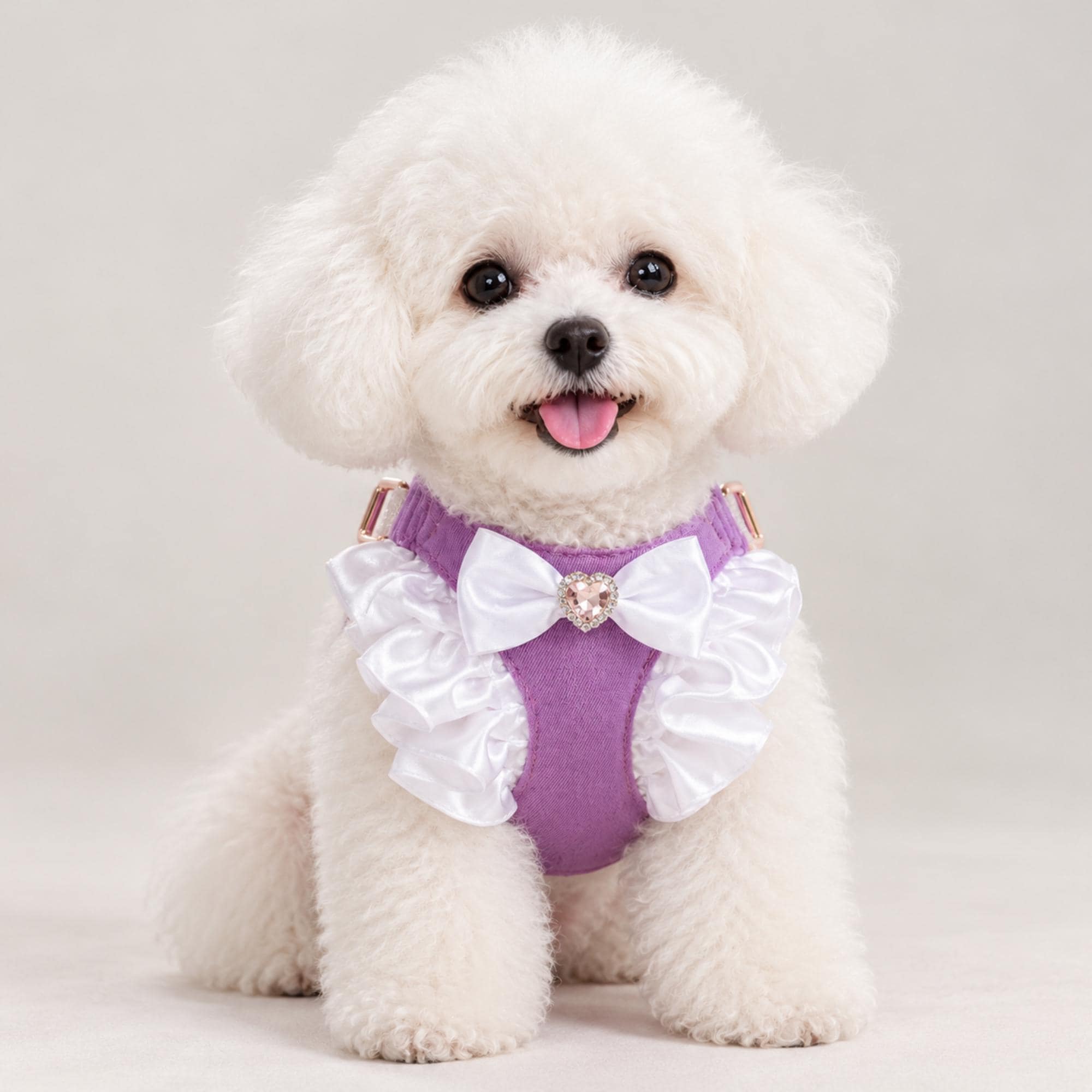
The Princess Pet Harness, Ruffle Bow Rhinestone Walking Vest for Small Dogs and Cats is one catalog example that combines a vest-style shape with a bow and ruffle details. Its description identifies it as a harness with back attachment hardware and adjustable straps. Measure carefully and check the fit before use. A coordinated wardrobe can include a functional item with visual detail, but appearance does not replace fit checks or attentive handling.
Build Looks Around One Standout Piece
When an accessory already has sparkle, a large bow, or a strong color, let that piece lead. Pair it with simpler items rather than adding several prominent details at once. This keeps the overall look readable in person and in photos. It also makes the standout item easier to reuse: a decorative piece can appear with a plain base one day and a complementary accent on another, provided both are suitable and comfortable for your pet.
For instance, the Princess Pet Harness has white ruffles, a prominent white bow, and a heart-shaped rhinestone centerpiece. Those details already create a dressy impression, so additional sparkle may be unnecessary. Its listed pastel choices—blush pink, warm beige, baby blue, and lavender purple—offer different starting points for coordination. Choose based on the rest of your pet’s accessories and the occasion, not on a need to add more decoration.
Use Occasion Pieces With a Plan
A birthday, wedding, or photo session can call for a more decorative look, but plan around the event rather than dressing for the entire day by default. Consider how long the accessory will be worn, whether the setting is busy, and whether your pet can move and behave naturally in it. Bring a familiar alternative if appropriate, and remove the decorative piece if your pet shows discomfort or if it interferes with normal activity.
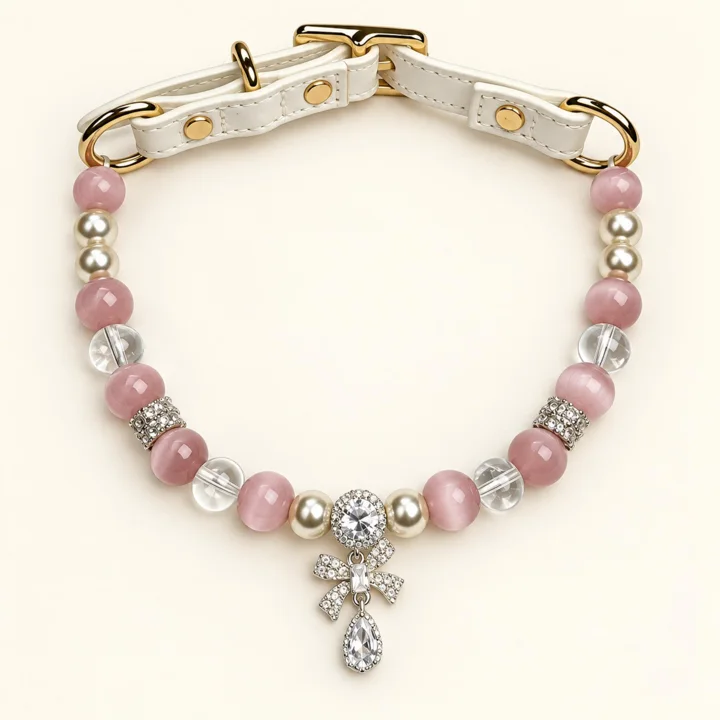
The Rose Quartz Pet Collar is described as a blush pink leather collar with gold-tone hardware, rose-quartz-style stones, and clear faceted crystal beads. Its detachable crystal strand offers a more decorative option for portraits or celebrations, while the description also presents the collar on its own as a simpler look. Treat it as styling inspiration, and confirm how the particular item should be used; do not assume decorative details are walking restraint.
Coordinate With Fur, Photos, and Setting
Use the setting to guide how much contrast and detail you want. A busy floral background may pair more easily with a simple accessory, while a plain backdrop can make a textured or jeweled piece more noticeable. For photos, take a test picture before the event and check whether the accessory competes with the pet’s face. If it does, simplify the look or change the background instead of adding another coordinating item.
Coordinating with fur does not mean selecting a shade that disappears into it. Look for a visible contrast or a complementary tone, then check how the color reads in natural and indoor light. Metallic-looking hardware, crystals, or pale fabric can photograph differently from how they appear at home. A quick preview helps you make adjustments, while your pet’s relaxed posture remains a better measure of success than a perfectly matched picture.
Add Texture and Tone Without Overmatching
Color is only one way to connect accessories. Similar tones can make different textures feel related: a smooth collar, a beaded accent, or a fabric detail may work together without sharing the same exact finish. Keep the number of focal points modest. If one item has a strong shine or elaborate embellishment, let other pieces contribute quietly through shape or color rather than competing for attention.
The Earth-tone Crystal Dog Collar offers a different direction from a pastel, jewelry-inspired look. Its description pairs a black leather collar with gold-tone hardware and crystal-style beads in warm brown, olive, honey, cream, and smoky neutral tones. Those shades can suggest a natural palette for photos or special occasions. As with any decorative neckwear, check the product details and do not assume it is intended to serve as walking restraint.
Keep the Collection Manageable and Checked
A compact wardrobe is easier to use and maintain than a drawer full of pieces with overlapping roles. Keep the items you reach for most accessible, and store special-occasion accessories separately so their purpose is clear. Before each use, inspect the item for visible damage, loose decorative parts, or anything that could snag. Follow the care information supplied for that specific product; do not assume all materials or embellishments can be cleaned the same way.
Revisit the collection when your pet’s size, routine, or preferences change. Recheck fit rather than relying on an old adjustment, and follow the sizing guidance provided with each item. Supervise your pet while wearing accessories, particularly when trying something new. Remove an item if it slips, restricts movement, catches on something, or causes discomfort. Keeping fewer, well-considered options makes it easier to choose appropriately on an ordinary day.
A thoughtful next step
To build a coordinated wardrobe, start with what your pet tolerates, choose a small color palette, and give every accessory a clear purpose. Add decorative pieces for suitable occasions, keep functional walking gear separate from decorative neckwear, and check fit and condition before use. If your pet seems uncomfortable, take the item off and choose no accessory instead. A useful collection is one that fits your pet’s real routine—not just a color scheme.
Explore our Collars & Accessories collection, check measuring and fit guidance, or ask us about a product detail before choosing.
Pieces mentioned in this guide
These are catalog examples, not a promise of fit or availability. Read each listing and confirm the details before ordering.