

A pet ID tag has a small job with important details: make identification information easy to find and read. Shape affects how much engraving space you have, how the tag sits on a collar or harness, and whether it catches on nearby hardware. The layout matters just as much. A tag that includes every possible detail can be harder to scan than one with a clear name and a reliable way to reach you.
Start with your pet’s everyday equipment and the information you want a finder to see first. Consider the tag’s size and weight for your individual pet, then compare shapes and text arrangements before ordering. Cats may not tolerate accessories, and not every harness or collar is designed for a tag. If an accessory bothers your pet or interferes with movement, remove it; identification should never come at the expense of safe, supervised wear.
Start With the Information That Matters Most
Decide what a person needs to know in the first few seconds. A pet’s name and a current phone number are common priorities; a second number can help if the first contact is unavailable and the tag has room. Keep the most actionable detail prominent. A finder can call a number, while extra wording may crowd it. Use contact information you can answer or check, and update the tag when that information changes.
Think carefully before adding an address, medical note, or other personal detail. A full address may take valuable space and may not be necessary for every household. A short note about a significant medical need could be useful, but only if it remains legible. Avoid filling every line simply because the engraver offers it. The aim is a quick, readable identification aid, not a miniature record of your pet’s life.
Match the Shape to the Space You Need
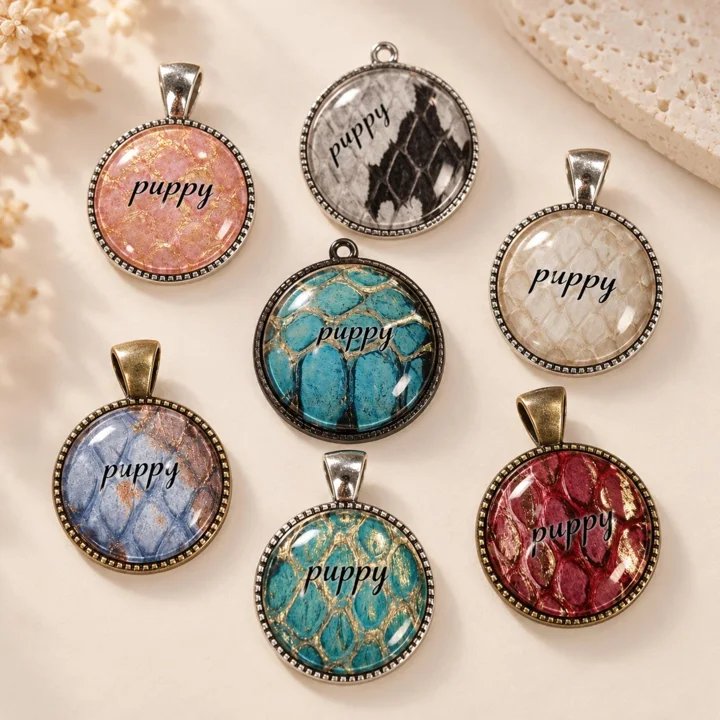
Round tags offer a compact, balanced field that can suit a name and one phone number. Their curved perimeter limits how much text fits on each line, so long names or multiple contacts may require smaller lettering. A square or rectangular design can provide longer straight lines, which may make a two-line layout easier to plan. Compare the usable engraving area rather than judging only by the tag’s overall outline.
Bone, heart, and novelty silhouettes can add personality, but their narrow ends or curves may reduce practical text space. Picture the actual wording inside the shape: a long phone number needs room for every digit, not just a prominent name. If a shape forces the text to shrink or wrap awkwardly, choose a simpler outline. A tasteful design is useful only when it leaves the essential information easy to read.
Plan the Front and Back Before Choosing Type
A simple front-and-back plan helps prevent overcrowding. One option is to place the pet’s name on the front and a phone number on the reverse. Another is to put both on one face when the tag has enough room and keep the other side for a second contact. Check the engraving options offered by the specific tag before assuming both sides can be personalized or that every layout is available.
Arrange lines in reading order, with the name first and contact details immediately visible. Keep each phone number together rather than splitting it across lines. If you include two numbers, label them briefly, such as “MOM” and “DAD,” only when those labels clarify whom a finder is calling. Short labels can take space, though, so leave them out if they make the digits noticeably smaller or harder to scan.
Choose Readability Over Decorative Lettering
At small sizes, clean, familiar letterforms are easier to distinguish than ornate scripts. A decorative font can blur the difference between similar characters, especially in a name or phone number. Use capitalization consistently and avoid unusual spacing that makes digits look like separate groups. If a preview is available, inspect the smallest line closely rather than focusing only on the large name at the top.
Contrast and engraving depth depend on the particular tag and its finish, so do not assume every style will look identical in person. Review the seller’s available choices and any personalization preview. Favor a straightforward arrangement with comfortable separation between lines. If the preview makes a number look compressed or a letter ambiguous, shorten optional wording, select a clearer style, or choose a tag with more engraving area.
Account for Movement and Nearby Hardware
A tag hangs near buckles, rings, and other attachments, where movement can make a small tag swing or tap against hardware. Consider your pet’s size, activity, and tolerance for dangling items when selecting a shape and scale. A compact tag may be less obtrusive, but it still needs enough room for readable engraving. Check that the attachment point is appropriate for the tag and does not interfere with the collar or harness fit.
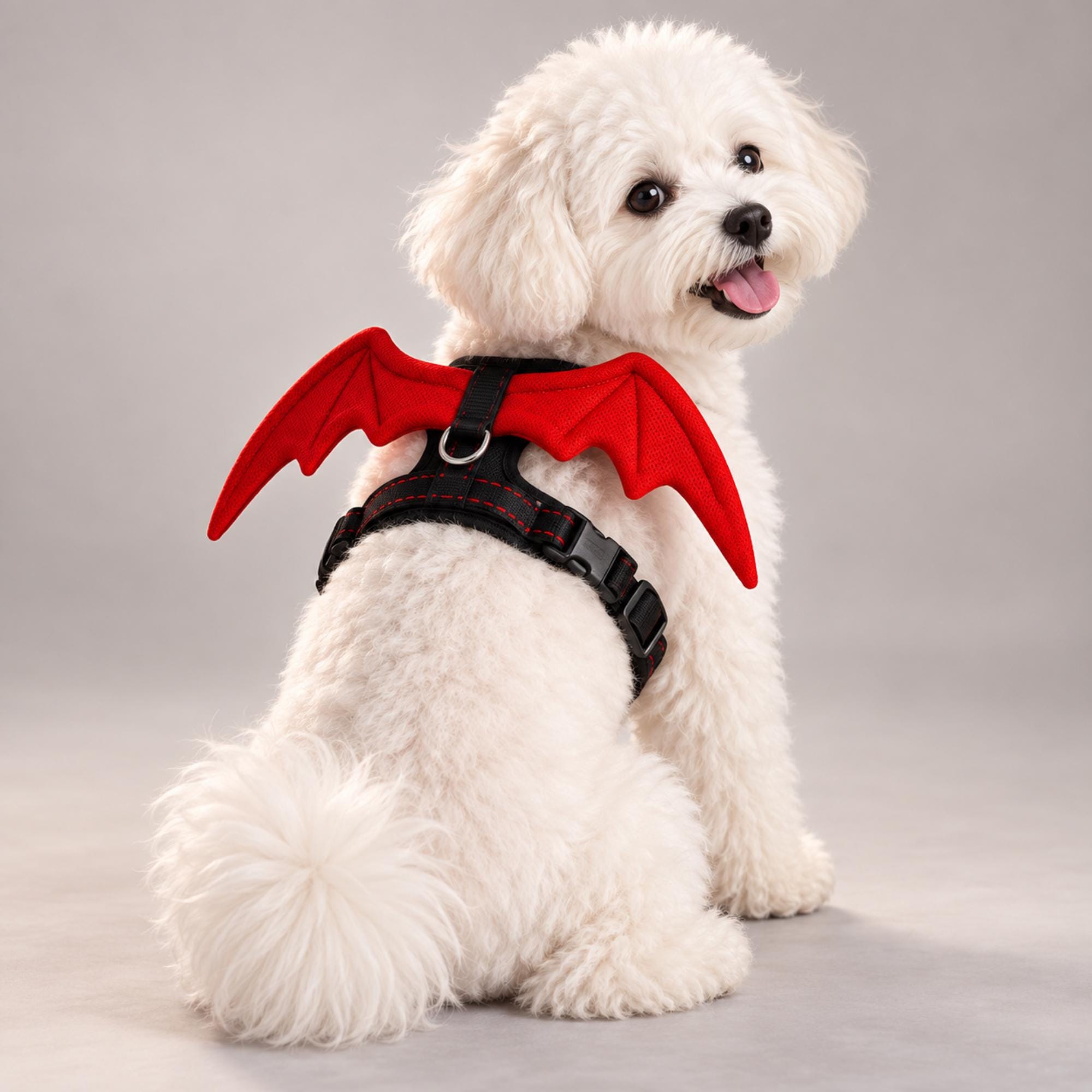
Do not treat every ring on pet gear as a leash attachment or tag mount. For example, the Pastel Bow Pet Harness description identifies a back metal D-ring, while the Red Devil Wing Dog Harness description lists a metal back leash attachment ring and a small front D-ring for an ID tag or lightweight charm. Follow the particular product description and fit guidance; never attach a leash to a decorative tag point.
Keep Cat Identification Comfortable and Practical
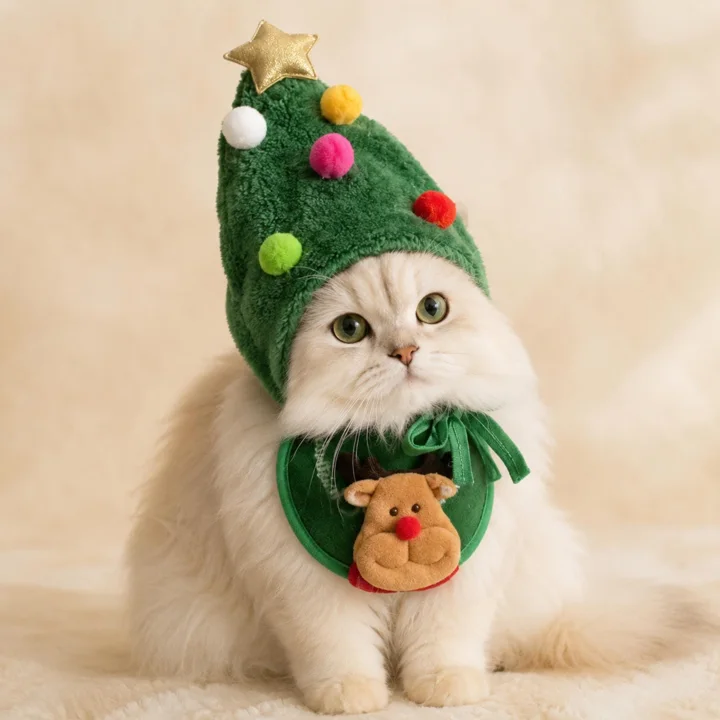
Cats vary in how they respond to collars and dangling accessories. If your cat resists an item, paws at it repeatedly, or moves differently, remove it rather than insisting on a particular look. Supervise when introducing new gear, check that nothing obstructs movement, and choose no outfit or accessory when that is the more comfortable option. A tag should not be fastened to decorative neckwear unless that item is specifically suitable for the purpose.
The Boho Pet Choker is described as a decorative neck accessory for cats and dogs, not as walking restraint or a tag attachment system. Its appearance does not establish that it has a breakaway clasp or other safety feature. Measure and follow the item’s stated sizing guidance, and do not use decorative chokers to walk a pet. For identification, use only equipment intended and fitted for that role, and supervise your cat’s wear.
Proofread Every Character Before Ordering
Read the engraving as if you were a stranger trying to call you. Check the pet’s name, every digit, area code, and any country or extension detail you chose to include. Read phone numbers aloud in groups, then compare each group with the number you use. A single transposed digit can defeat an otherwise attractive layout. Ask another person to review the text when possible, especially if the design uses abbreviations.
Confirm spelling, punctuation, capitalization, and the order of front and back text in the final personalization fields. Do not rely on a product image or assume that a seller will correct a typo. Personalization options and available layouts can vary, so confirm any special request before placing an order. Save the finished wording somewhere you can refer to later; it makes future replacements or updates easier to check.
Recheck the Tag as Your Pet’s Needs Change
An engraved tag is only useful when its information remains current and readable. Revisit the phone number after a move, a change in household contacts, or a new mobile number. Inspect the engraving from time to time for wear, dirt, or damage that makes characters difficult to distinguish. Check the attachment too, and replace or remove the tag if it is loose, cracked, or creating a snagging concern.
Make the tag check part of a broader gear check rather than treating engraving as a one-time task. Confirm that the collar or harness still fits, that the tag is attached where intended, and that your pet can move normally. Keep a spare copy of the correct contact details for reference when ordering a replacement. For pets that cannot comfortably wear a tag, consider other identification options appropriate to your situation.
A thoughtful next step
A practical tag decision comes down to fit, space, and legibility. Choose a shape that can hold the name and contact details at a readable size, arrange the text in a clear order, and proofread every character before confirming personalization. Attach it only to suitable gear, check that it does not obstruct movement, and remove accessories that cause discomfort. Revisit the information and condition periodically so the tag remains useful as circumstances change.
Explore our Collars & Accessories collection, check measuring and fit guidance, or ask us about a product detail before choosing.
Pieces mentioned in this guide
These are catalog examples, not a promise of fit or availability. Read each listing and confirm the details before ordering.