

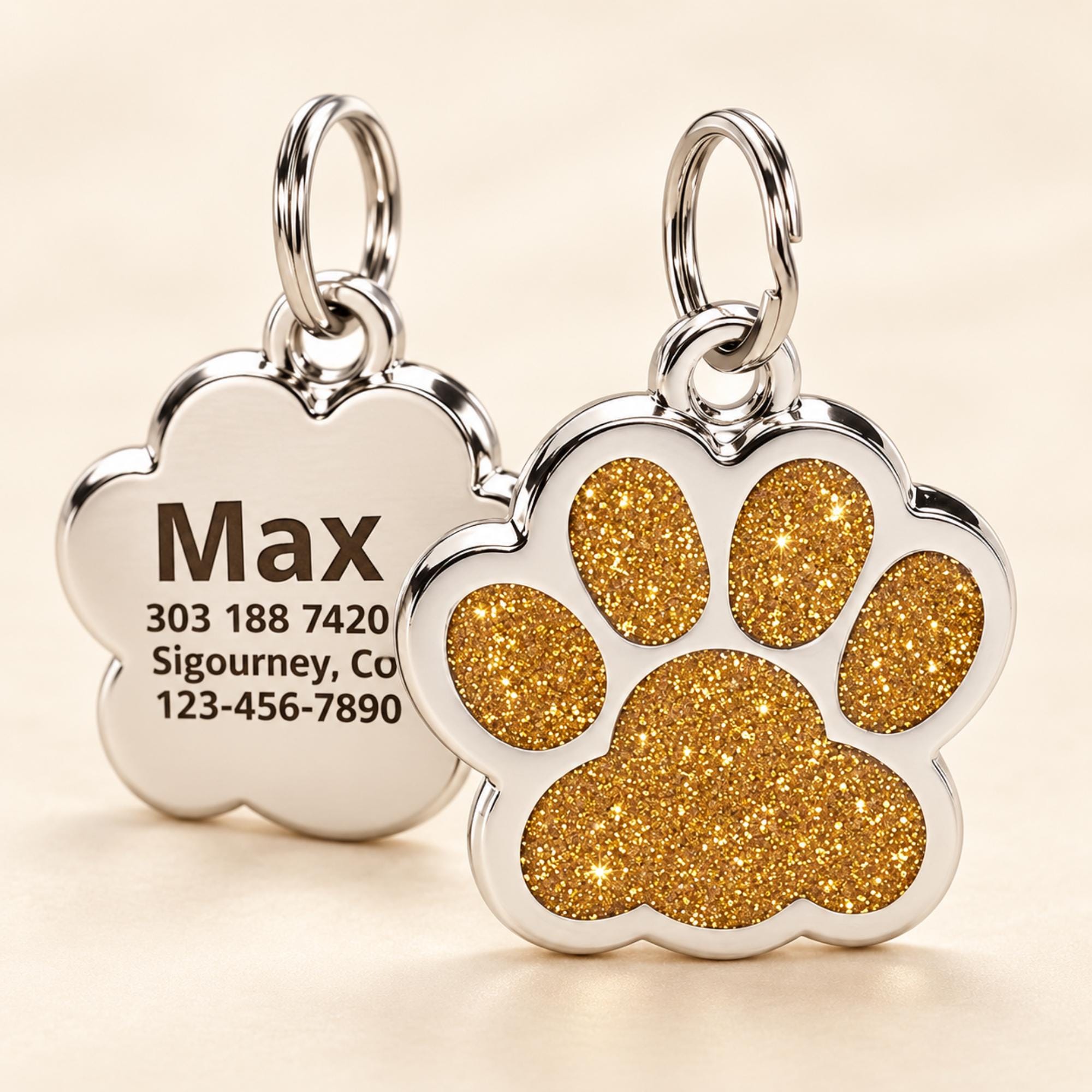
A personalized pet ID tag has limited space, so each line should help someone act quickly if your pet gets away. Start with a phone number that you or another trusted person can answer, then decide which details are most useful for getting your pet safely home. A tag is a practical backup to other identification methods, not a substitute for supervision or keeping contact information current.
Before placing an order, consider your pet’s daily routine, who might find them, and how much information will remain readable on the tag. A dog who regularly visits a sitter may need a different contact plan from an indoor cat who slips outside. The goal is not to fit every detail of your life onto the tag; it is to give a finder a clear, direct next step.
Put a reachable phone number first
A phone number is often the most actionable detail on a pet tag. Use a number that is likely to be answered, has a working voicemail, and can receive calls from someone outside your contacts. If you are often in meetings or traveling, consider whether another trusted adult’s number would be a more reliable first contact. Check the number carefully before submitting engraving details; one incorrect digit can defeat the purpose.
Think through what happens after a finder calls. Make sure the person answering knows your pet’s name and can help arrange a reunion, or leave a voicemail greeting that makes it clear the number belongs to the pet’s household. If you use a secondary number, ask that person first and tell them what to do if they receive a call. Avoid listing a number that is rarely monitored or likely to be disconnected.
Choose the right name to engrave
Your pet’s familiar name can make an interaction feel less intimidating and helps a finder identify which animal the tag belongs to. Use the name your pet actually responds to, rather than a long formal name that may not fit or be recognizable. For a tag with a small engraving area, a short name is usually easier to read than a string of nicknames. Keep spelling simple and check it before ordering.
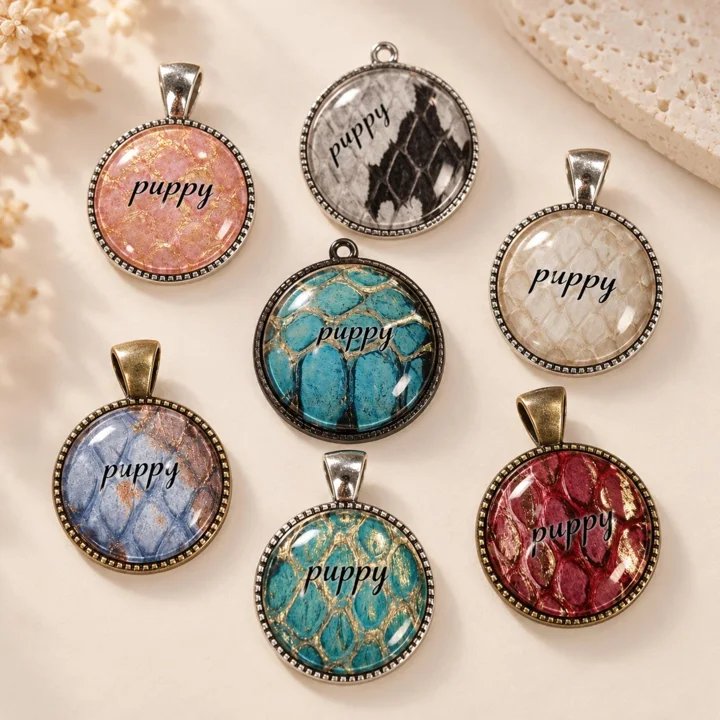
A name is helpful, but it should not crowd out contact details. If the available space is limited, prioritize a reachable number over a second name, slogan, or affectionate phrase. A personalized glitter paw tag, for example, has a custom-engraved back intended for a pet’s name, phone number, address, or a short message. Confirm which details you want to include and how they will fit before placing the order.
Decide whether to add an address
An address can help identify where a pet belongs, particularly if a finder is nearby and can return them directly. Consider whether that convenience is worth putting your home address on an item your pet wears in public. Some households prefer to provide a phone number first and share an address only after speaking with the finder. The right choice depends on your privacy preferences and how you want a reunion handled.
If you include an address, choose the amount of detail that is useful and comfortable for you. A city or neighborhood may offer context without listing a full street address, while a complete address may make sense for some households. Avoid adding information that has no clear role in reuniting you. Whatever you choose, ensure it is current and legible, and remember that a tag may be visible to people beyond a potential finder.
Consider a backup contact
A second contact can help if you cannot answer promptly. This might be a family member, housemate, trusted neighbor, or regular caregiver who knows your pet and can reach you. Ask permission before engraving someone else’s number, and make sure they agree to respond to unexpected calls. A backup is useful only when the person understands the plan and can help coordinate a safe handoff.
There may not be room for two full contacts alongside a name and other details. If space is tight, decide which person is most likely to answer during the hours your pet is out and about. You can also use a brief label such as “Call Alex” only if the number is clearly associated with that person. Do not assume a finder will know which number to try first; make the order and wording straightforward.
Use short messages only when they help
A short message can convey a useful instruction when it changes what a finder should do. For example, a concise note could identify that a pet is lost or direct someone to call the listed number. Keep any message factual, brief, and easy to understand at a glance. Long phrases, decorative wording, and extra contact details can compete with the information needed to reach you.
Avoid using the limited engraving space for medical claims or instructions that could be misunderstood. If your pet has a particular need, ask your veterinarian how best to communicate it, and do not treat a tag as a replacement for appropriate care. A message such as “Please call” may be more immediately useful than a slogan. Review the exact wording before ordering, especially if the product allows only a short message.
Make engraving easy to read
A tag is only useful when someone can read it. Use familiar words, standard phone-number formatting, and clear spelling. Skip unusual abbreviations unless their meaning is obvious to a stranger. Before submitting, read the information as if you had found the pet and had only a moment to decide what to do. If a line looks crowded or ambiguous, simplify it rather than trying to squeeze in another detail.
Check the product’s personalization instructions for character limits and layout details. On the personalized glitter paw tag, the back can be customized with a name, phone number, address, or short message, and the layout or font size may be adjusted to accommodate the amount of text. Treat your submitted wording as a draft to verify, not an assumption that every requested line will appear exactly as imagined. Confirm personalization details before ordering.
Protect privacy without losing usefulness
A pet tag can be seen by anyone who comes close, so include only information you are comfortable displaying. A phone number gives a finder a direct route to you without necessarily revealing where you live. Avoid engraving sensitive details such as access codes, schedules, or information about when the home is empty. Keep the purpose narrow: identify the pet and make it possible to contact a responsible person.
Consider the likely finder and setting. A pet who stays close to home may benefit from different information than one who travels with family or spends time with a caregiver. You can choose a contact number that does not disclose more than you want, provided someone reliably monitors it. Revisit your privacy choice if your circumstances change, and replace outdated information rather than leaving a tag that points to an old number or address.
Review the finished tag and keep details current
Before ordering, proofread every character: the pet’s name, phone number, punctuation, and any address or message. Check that the requested details are entered in the intended order, and confirm that you understand the product’s personalization options. The glitter paw tag includes an attachment ring and is described as suitable for dogs and cats, but its decorative style does not change the basic job of the engraving: helping someone contact you.
When the tag arrives, inspect the engraving and make sure the information is readable. Attach it securely to your pet’s collar and check periodically that it remains in place and that the contact details still work. A changed phone number, move, or new caregiver can make old engraving unhelpful. Remember that an ID tag is one layer of identification; continue using other appropriate identification and keep your pet supervised.
A thoughtful next step
For most tags, begin with a reachable phone number, add your pet’s familiar name, then use remaining space for a carefully chosen backup contact, address, or short instruction. Balance convenience with privacy, keep the wording readable, and proofread the exact personalization before ordering. Once the tag is on the collar, test the contact route and update the engraving when your details change.
Explore our Collars & Accessories collection, check measuring and fit guidance, or ask us about a product detail before choosing.
Pieces mentioned in this guide
These are catalog examples, not a promise of fit or availability. Read each listing and confirm the details before ordering.