

A pet outfit can look like a charming gift, but the wrong size may leave it unworn—or create an awkward exchange for the recipient. Guessing from a dog’s breed, a photo, or a casual description is risky: individual pets vary, and fit depends on the specific garment as well as the animal.
You can still choose thoughtfully without turning the surprise into a sizing gamble. Start by deciding whether the pet actually wears clothing, gather discreet, useful information if possible, and consider gifts that do not need a fit at all. A little planning helps keep the present considerate, practical, and easy for the pet’s person to use.
Find out whether the pet wears outfits
Before comparing sizes, consider whether clothing suits this particular pet. Some dogs wear outfits for photos or special occasions; others dislike having garments put on. Cats may be especially unwilling to wear clothing, and a gift should not become pressure to dress them. If you cannot ask the owner, look for clues in photos or conversations, but treat them as hints rather than proof that the pet welcomes outfits.
A tactful question can preserve the surprise while avoiding an unwanted present: “Does Milo ever wear a sweater, or is he happier without one?” You can also ask another household member or someone who regularly cares for the pet. If the answer is uncertain, choose a non-wearable gift instead. Any garment should be removed if the animal seems uncomfortable, and the pet should be supervised while wearing it.
Ask for measurements, not just a breed
Breed labels and broad size words such as small or large are poor substitutes for measurements. Two dogs of the same breed can have different proportions, and a short-backed dog may need a different cut from a long-bodied one. If you can ask the owner, request the measurements the product’s sizing guide specifies. Common garment guides may use neck, chest, and back length, but check the actual listing rather than assuming every item uses the same points.
Make the request easy to answer. You might say you found a gift and need the pet’s current measurements, or ask the owner to send a screenshot of a size chart they have used successfully. Avoid asking for a weight alone unless the product guide explicitly relies on weight. Measurements should reflect the pet now, not an old tag or an estimate remembered from a previous purchase.
Use the exact product’s size chart
Once you have measurements, compare them with the chart for the exact garment. A small in one design does not necessarily match a small in another, even from the same shop. Check which body areas are measured, whether the listed figures describe the pet or the garment, and what the seller advises when a pet falls between sizes. Do not assume there is a universal pet-clothing standard.
Read the item description along with the chart. A pullover, coat, dress, or bandana may fit differently because it covers a different area or has a different shape. If the listing leaves an important point unclear, contact the seller before ordering rather than improvising from a chart for another product. When the available information cannot establish a suitable fit, choose a different gift.
Treat photos as clues, not measuring tools
A photo can help you notice whether a pet has a long body, broad chest, or distinctive proportions, but it cannot reliably reveal measurements. Perspective, posture, fur, and camera distance can all change how large an animal appears. A pet sitting beside a person or household object may offer context, yet it still does not provide the precise information needed to select a garment size.
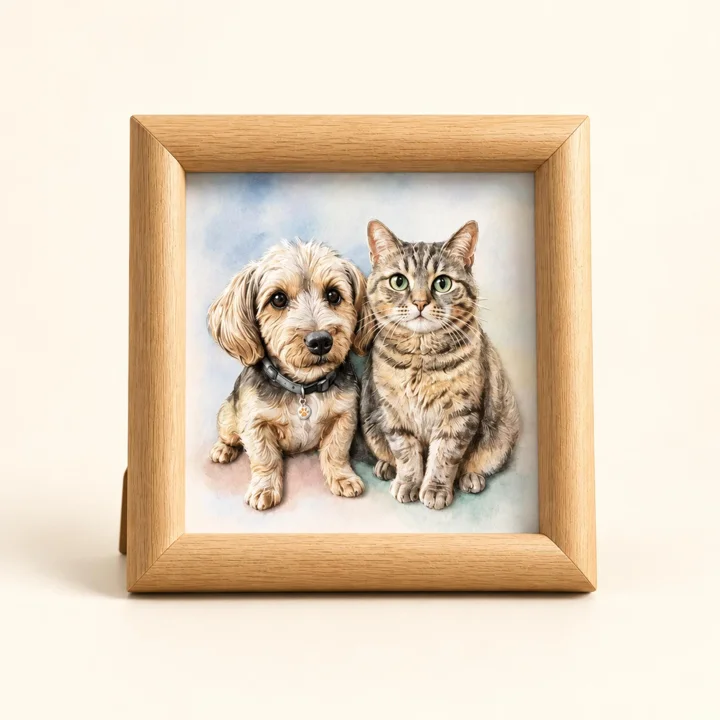
Pictures can be more useful for choosing a color or style the owner might like. Look for recurring preferences in the pet’s accessories, or consider the home’s general color palette without treating either as a firm rule. If you are ordering a personalized portrait based on a photo, follow that item’s photo instructions and confirm any personalization details before placing the order. A portrait gift does not require a clothing-size guess.
Make exchange options part of the plan
If the owner is comfortable sharing measurements, confirm the seller’s current exchange or return terms before buying. Policies can differ by item, and personalized products may have different conditions from standard merchandise. Do not assume an exchange will be available, that return shipping is covered, or that a replacement size can be sent. Read the listing and ask the seller if the policy is not clear.
You can make the gift easier to adjust by including a gift receipt or a simple note that says you would be glad to exchange it, if the seller’s terms allow. Keep packaging and order details until the recipient has checked the fit. If exchanging would be difficult or the gift is time-sensitive, a size-free alternative may be kinder than handing over a garment the recipient cannot use.
Choose a style the pet can wear comfortably
When fit information is available, keep the design simple and check how the garment sits on the body. It should not obstruct movement, vision, breathing, or access to the pet’s usual equipment. Avoid choosing an item that requires the animal to tolerate a complicated dressing process if you do not know how the owner manages clothing. The recipient knows the pet’s habits and should decide whether and when an outfit is appropriate.
Do not present clothing as protection from heat, treatment for a health problem, or a guarantee of comfort. For cats in particular, the owner may decide that no outfit is the right choice. If a pet resists, freezes, paws at the garment, or otherwise appears uncomfortable, the owner should remove it. A thoughtful gift respects the animal’s response rather than expecting the pet to adapt to the present.
Consider a gift that needs no fitting
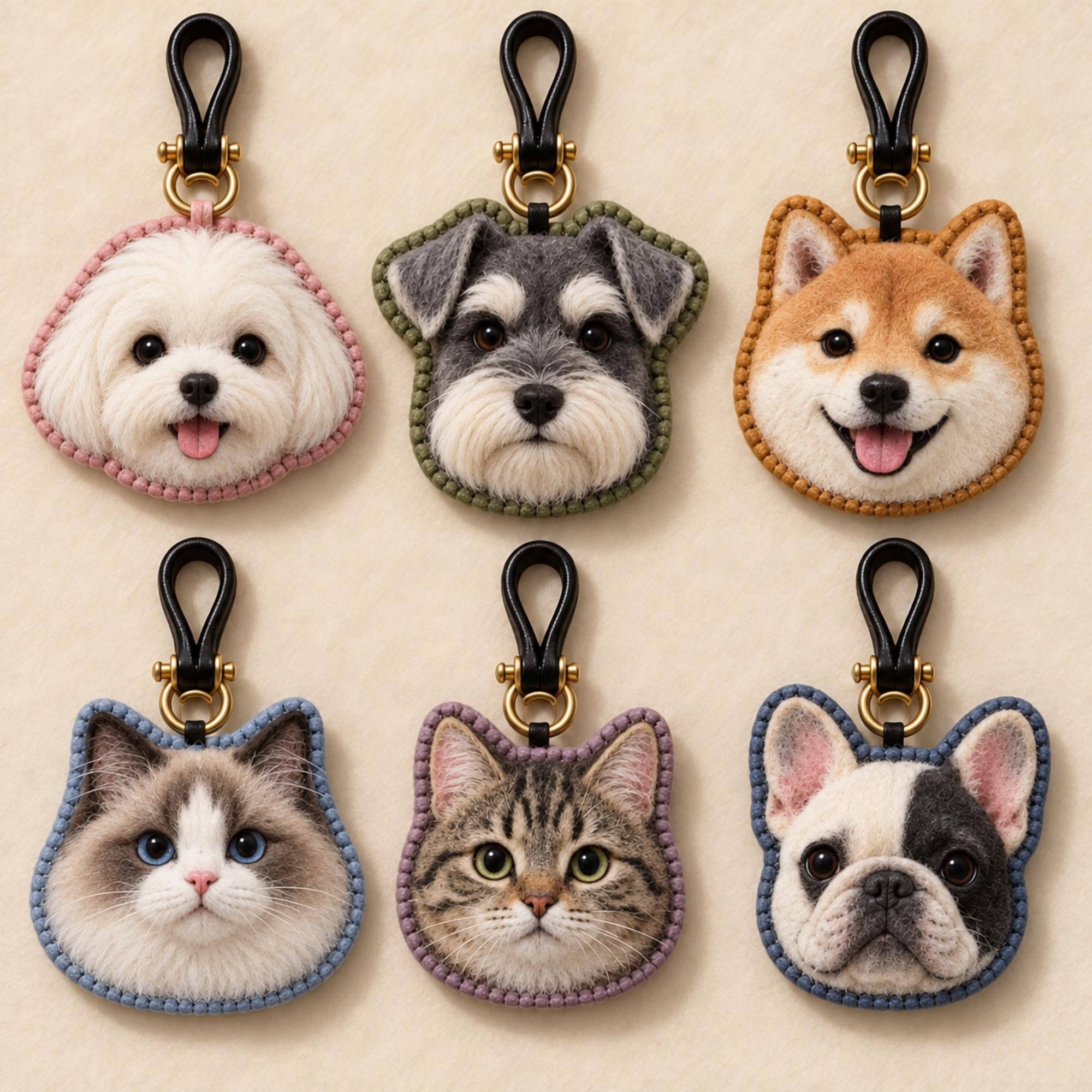
When reliable measurements are unavailable, shift the focus from what the pet wears to what the person can enjoy. A keepsake, portrait, or pet-themed accessory for the owner avoids the challenge of fitting a moving animal. For example, Paw Dazzle’s catalog includes a custom felt pet portrait keychain made from the recipient’s pet photo. The listing describes it as a dog or cat bag charm or keepsake, so it can celebrate the pet without asking them to wear anything.
Personalized gifts require their own checks. Confirm what photo the seller needs, how the recipient can provide it, and whether the available personalization options suit the occasion before ordering. Do not assume a custom item can be changed or returned after it is made. If you are not certain the person wants a portrait, a general pet-themed gift or a card explaining the idea can leave them room to choose.
Keep the surprise thoughtful, not burdensome
A surprise does not have to conceal every detail. You can tell the owner you are considering a pet gift and ask one practical question, such as whether the pet wears clothes or which size chart they trust. That small disclosure can prevent a gift from creating extra work. If you want to preserve some mystery, ask a friend or family member who knows the pet well to help gather accurate information.
Think about the recipient’s routine, too. A garment that needs careful attention may be less suitable for someone who prefers low-maintenance gifts, while a keepsake can be displayed or carried without involving the pet directly. Avoid making the recipient feel obliged to dress an animal for a photo or event. A considerate present leaves the owner free to decide how it fits into their life.
A thoughtful next step
Before buying, ask whether the pet wears outfits, get current measurements if possible, and compare them with the exact item’s size chart and seller terms. If any of those steps leave you guessing, choose a size-free alternative, such as a pet portrait keepsake, and confirm personalization requirements before ordering. The best gift is one the recipient can enjoy without asking the pet to tolerate an uncomfortable fit.
Explore our Personalized Gifts collection, check measuring and fit guidance, or ask us about a product detail before choosing.
Pieces mentioned in this guide
These are catalog examples, not a promise of fit or availability. Read each listing and confirm the details before ordering.