

A four-leg pet jumpsuit covers more of the body than a vest or cape, so fit depends on several points at once: the neck, chest, torso, legs, and openings around the paws. A garment can look right while standing still yet twist, pull, or restrict movement as a pet walks. Taking a few measurements and watching your pet move can help you decide whether a jumpsuit is a reasonable choice.
Start with your individual pet rather than a size label or product photo. Coat thickness, body shape, posture, and tolerance for clothing all affect the result. Cats in particular may refuse apparel, and no outfit is worth forcing. Use the steps below to evaluate a jumpsuit before an outing, photo session, or short period of supervised wear.
Know what a four-leg jumpsuit covers
A four-leg jumpsuit generally has openings for all four limbs and covers some portion of the torso. That makes its fit more complex than a cape, which rests over the body, or a sleeveless vest. Check how far the design extends along the belly and back, where each leg opening sits, and whether the neck and tail have clear, unobstructed openings. Those details determine whether your pet can move and use the litter box or go outdoors normally.
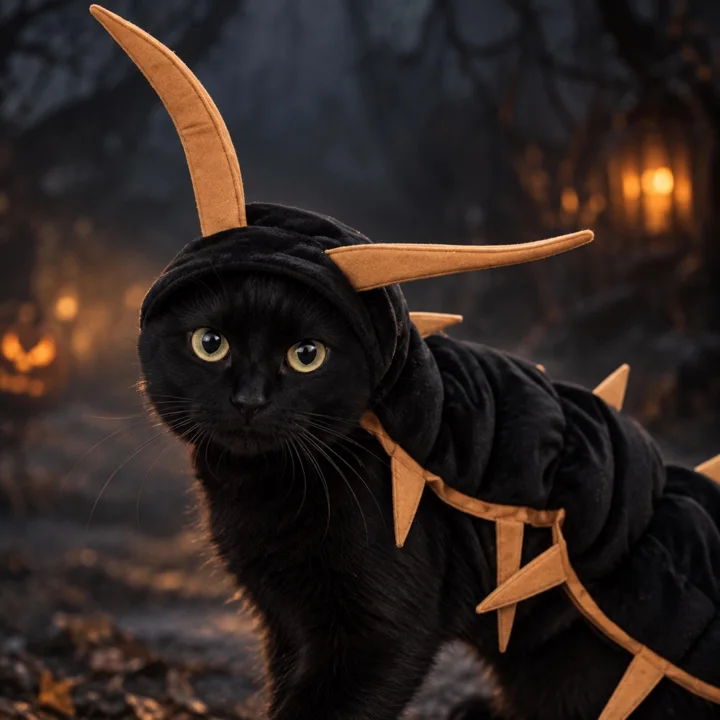
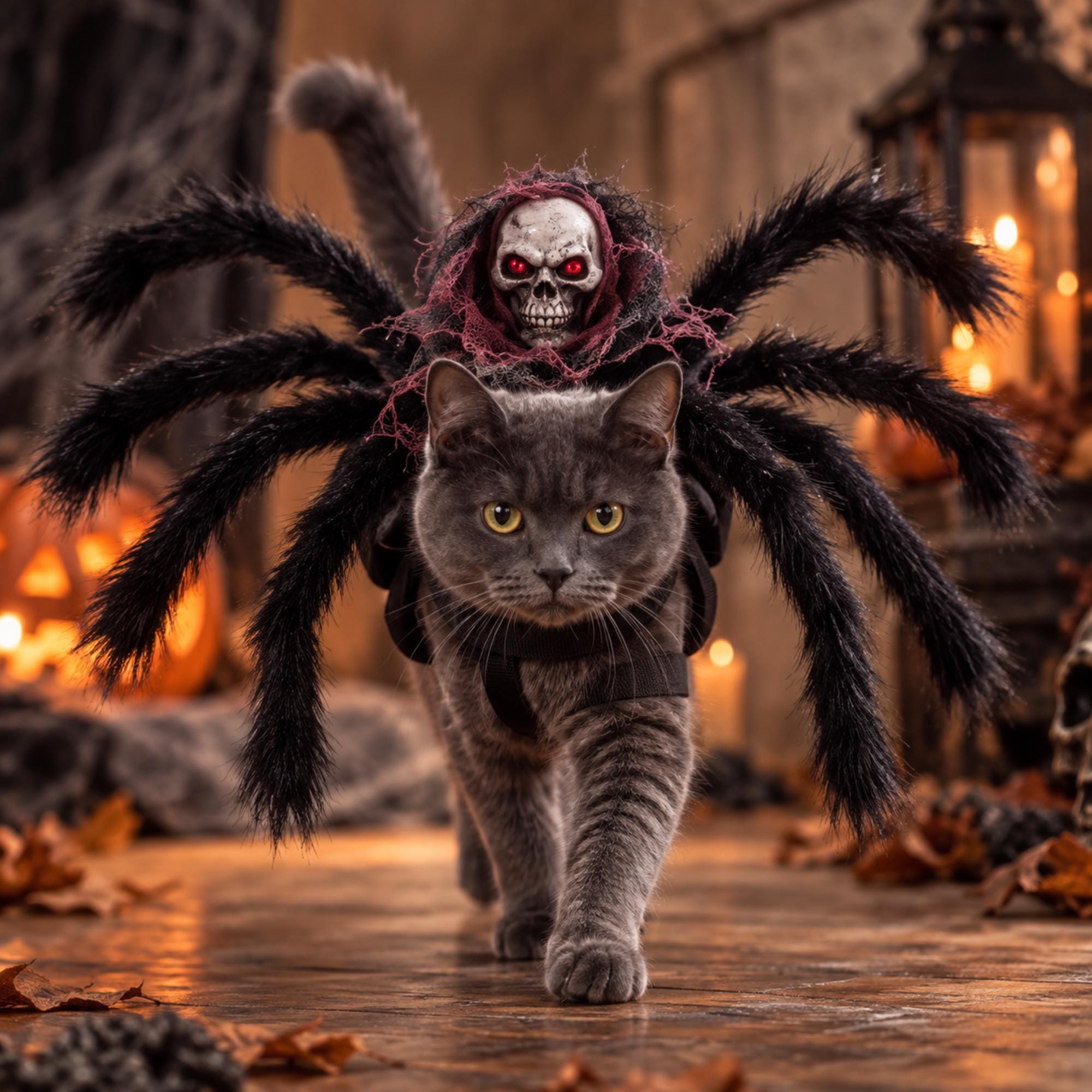
Catalog examples can help clarify the difference between silhouettes. Paw Dazzle’s cream sherpa-style Christmas pet cape is described as cape-style coverage, while its vintage leopard dog vest is sleeveless. The Skull Spider costume has a costume-style body harness and decorative spider legs, not a conventional four-leg jumpsuit. Treat each as a different design category, and assess a jumpsuit by its own construction rather than assuming similar-looking outfits fit alike.
Measure your pet before choosing a size
Use a flexible tape measure and record your pet’s neck circumference, chest at its broadest point, and back length from the base of the neck to the base of the tail. For a four-leg design, leg length and the position of the leg openings may matter too. Keep the tape close to the body without pulling it tight. Measure while your pet is standing naturally, and note the figures so you can compare them with the specific garment’s sizing information.
Do not select a size from weight or breed alone; animals with similar weight can have very different proportions. Compare every relevant measurement with the seller’s chart, and check whether the listed back length includes the neck or stops at its base. If your pet falls between sizes, consider the garment’s cut and closure placement rather than guessing. When the chart or measurement method is unclear, ask for clarification before ordering.
Check the torso and leg openings
Once the jumpsuit is on, look for even coverage without strain across the chest, shoulders, belly, and hips. Fabric should not pull sharply when your pet stands or turn into a loose pocket that catches on objects. Each leg opening should sit around the limb without pinching the armpit, elbow, groin, or knee. Check both sides: a garment that twists off center can rub even if the first side appears to fit.
Pay attention to how the design fits your pet’s build. A deep-chested dog, a long-bodied dog, and a cat with a broad chest may each need a different shape, even at similar measurements. Inspect the belly panel as well as the back, particularly if your pet is male or has a low stance. The garment should not press on sensitive areas or interfere with normal toileting; remove it if positioning or movement is awkward.
Let natural movement be the real test
After a calm fitting, invite your pet to take a few steps on a familiar, nonslip surface. Watch a walk, a turn, and a sit if your pet offers one. Look for shortened strides, a hunched back, repeated paw lifting, a stiff gait, or reluctance to move. For dogs, a few steps are more informative than posing; for cats, let them choose whether to walk away rather than carrying them into a test.
A jumpsuit should not block ordinary movement or snag as limbs swing. Check whether cuffs slide down, sleeves rotate, or fabric bunches at the elbows and knees. If your pet’s gait changes, take the garment off and reassess the size or cut. Do not expect a pet to “get used to” clothing by enduring distress. Some pets are happier in a less covering design—or with no outfit at all.
Inspect closures, openings, and details
Before each wear, examine the closures and seams for gaps, rough edges, loose threads, or parts that could catch fur. Fasten the outfit without pulling the skin or trapping hair. Confirm that the neck opening does not press against the throat and that the tail opening leaves the tail free to move. A garment should not cover the eyes, ears, nose, or mouth, and decorative pieces should not obstruct a pet’s view or movement.
Do not infer safety features from a product’s appearance. A decorative neck piece is not automatically a walking restraint, and a costume-style harness should not be assumed suitable for leash use unless its description clearly says so. The vintage leopard dog vest is specifically described as having a built-in metal leash attachment ring; that detail does not establish a general rule for other outfits. Follow the exact product information, and use appropriate walking equipment separately when needed.
Introduce the outfit in short, calm sessions
Choose a quiet moment when your pet is relaxed, not just before a busy event. Let the pet inspect the garment, then put it on gently and keep the first session brief. Offer a familiar activity or a small reward if your pet willingly accepts it. Stay close and supervise throughout. Remove the jumpsuit before your pet is left alone, goes into a crate, or plays with other animals where fabric could catch.
Watch for more than obvious struggling. Freezing, repeated attempts to escape, crouching, hiding, flattened ears, or persistent licking can signal that the experience is unwelcome. Stop and remove the garment rather than tightening it or trying again immediately. Cats may reject apparel altogether; that is a valid response, not a training problem to overcome. If a short, calm introduction still causes distress, choose a different way to include your pet.
Consider weather, setting, and wear time
Think about the conditions and activity, not only the outfit’s appearance. A full-coverage garment may feel different during indoor play, a brief photo, or a walk, and pets can become uncomfortable if they are too warm or restricted. Do not rely on clothing to protect a pet from heat or to manage a medical concern. If temperatures, health, or activity levels raise questions, consult a veterinarian and prioritize a suitable environment over a costume.
For an event, try the garment at home first and plan a quick way to remove it. Keep outdoor wear supervised, away from branches or other snag hazards, and check your pet’s skin and coat after taking the outfit off. Stop if you notice rubbing, dampness, persistent scratching, or a change in behavior. Never leave a dressed pet unattended just because the garment seemed fine during an earlier, shorter fitting.
Decide whether the fit is right for your pet
A good fit is one your pet can wear without pinching, slipping, obstruction, or a change in normal movement—and that your pet tolerates without signs of distress. Recheck the fit after fastening and again after a few minutes, since fabric can shift as the animal moves. If you cannot resolve pulling at one point and looseness at another, the cut may not suit your pet’s proportions. A different style is often a better answer than forcing a compromise.
Keep the product description and sizing chart specific to the item you are considering. For example, the cream holiday cape and sleeveless leopard vest illustrate alternatives when a four-leg design feels cumbersome, but their descriptions do not make them substitutes for every pet or situation. Compare coverage, closures, and intended use, then decide whether any clothing is needed. Personalization options, if offered, should be confirmed before placing an order.
A thoughtful next step
Before each wear, check the fit, closures, leg openings, and your pet’s movement; supervise the entire time and remove the outfit at the first sign of discomfort or obstruction. If your pet resists, skip the jumpsuit and let comfort take priority.
Explore our Apparel & Costumes collection, check measuring and fit guidance, or ask us about a product detail before choosing.
Pieces mentioned in this guide
These are catalog examples, not a promise of fit or availability. Read each listing and confirm the details before ordering.