

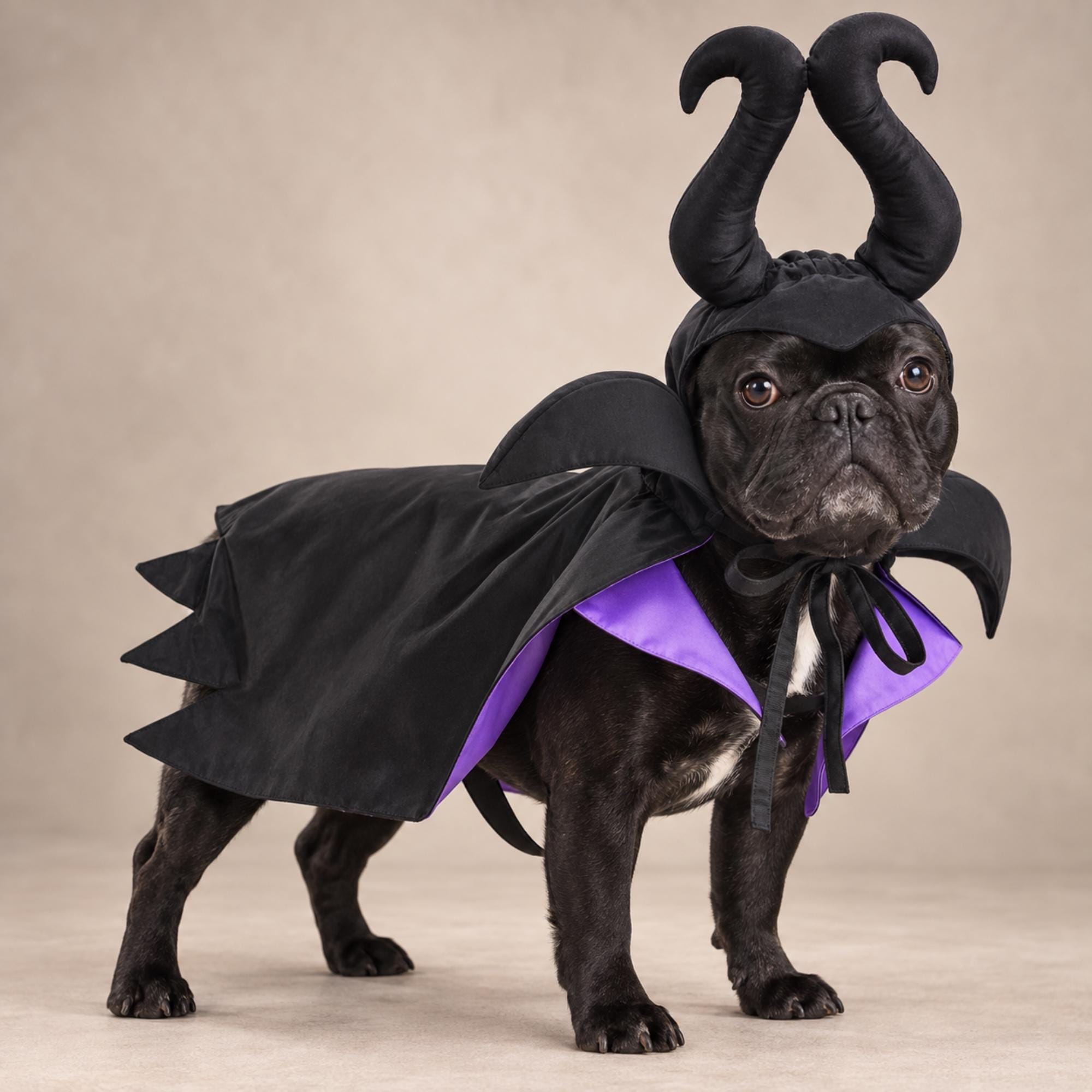
Measuring a cat for a costume is less about holding a perfect pose and more about collecting a few useful numbers without turning the tape measure into a wrestling match. A calm approach helps you compare your cat’s proportions with a costume’s size chart and make a more informed choice. It also gives you a chance to notice whether your cat is comfortable with handling before you consider putting on an outfit.
Choose a quiet moment when your cat is relaxed, gather a soft measuring tape, and keep treats nearby if your cat enjoys them. You can pause, take a measurement again, or decide the costume is not a good fit for your cat’s preferences. The goal is a brief, low-pressure fitting process—not getting your cat into an outfit at any cost.
Start with the costume’s size chart
Before measuring, find the size chart for the specific costume you are considering. Sizes are not universal: a small hooded costume and a flowing cape may be cut differently, even if both are intended for cats. Check which body areas the chart asks you to measure and how it recommends matching numbers to a size. If the chart is unclear or unavailable, ask the seller for guidance rather than guessing from a weight label.
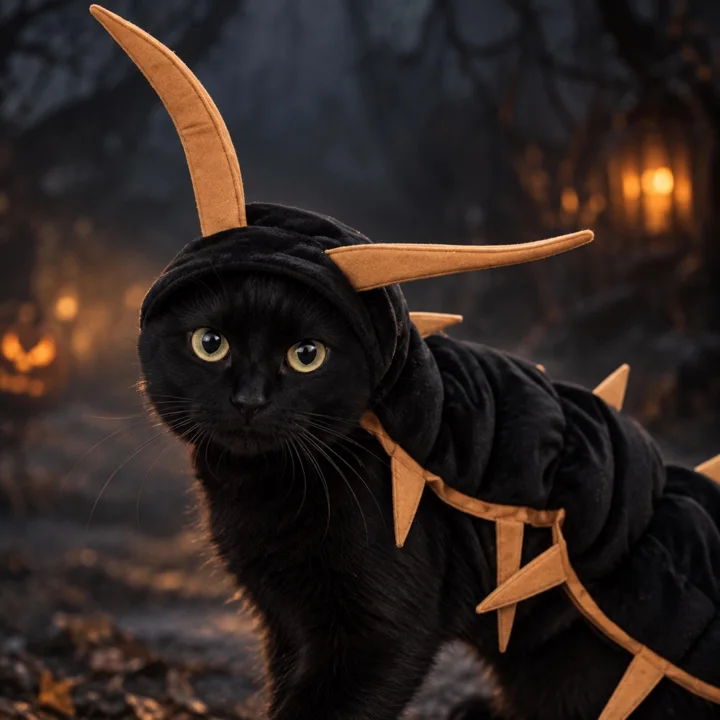
Think about the costume’s shape as well as its listed measurements. A cape, such as the Gothic Demon Pet Costume with its tie-style details, covers the shoulders differently from a full-body jumpsuit like the Glow in the Dark Skeleton costume. Those catalog examples have distinct designs, but their names alone do not tell you what size your cat needs. Use the individual product’s current sizing information and your cat’s actual measurements.
Pick a calm moment and a simple setup
Measure when your cat is settled, not immediately after play, a stressful trip, or a meal they are guarding. Choose a familiar, uncluttered spot with good light, and let your cat investigate the tape before you bring it near their body. A flexible tailor’s tape is useful because it can follow curves; if you only have a ruler, use a piece of string and then measure the string against it.
Keep the session short and let your cat move between measurements. One person can offer a favorite treat or gentle reassurance while another reads the tape, but avoid restraining your cat just to finish quickly. If ears flatten, the body stiffens, your cat tries to escape, or handling brings out swatting or growling, pause. You can try later, ask a veterinarian or experienced groomer for handling advice, or skip the costume.
Measure around the chest gently
For many garments, chest circumference is one of the key numbers. Let your cat stand naturally if possible, then pass the tape around the widest part of the rib cage, usually just behind the front legs. Keep the tape level and close to the fur without pulling it tight or pressing into the body. You should be able to slide a finger beneath it. Read the number where the tape meets, rather than estimating from how a garment looks.
A cat who sits or curls may give you a different reading than one standing comfortably, so note the position and repeat only if your cat remains relaxed. For a long-haired cat, smooth the coat gently rather than compressing it to reach the skin. If your result falls near a chart boundary, follow the seller’s fit guidance and consider the garment’s construction. Do not assume a larger size is automatically safer or more comfortable.
Check the neck and body length
If the size chart requests neck circumference, measure where a collar would normally rest, keeping the tape loose enough that it does not press against the throat. Never pull a tape around the neck to hold your cat still. For body length, charts commonly ask for a measurement from the base of the neck to the base of the tail, but check the chart’s exact landmarks. A different starting point can change the result and lead to a poor comparison.
Not every costume uses every measurement. A hooded design, such as the Black Cat Witch costume, has a different silhouette from a cape, so check which areas its chart addresses instead of collecting numbers that are not requested. Keep the tape clear of the face, whiskers, and tail, and stop if your cat resists. If a measurement cannot be taken calmly, do not force it; use the numbers you can obtain and seek sizing help.
Record measurements and compare carefully
Write each number down as soon as you take it, labeling it clearly—for example, chest, neck, or back length. This avoids relying on memory when you compare your results with a size chart later. If you repeat a measurement, record both readings and note whether your cat was standing, sitting, or especially fluffy. A small difference can come from tape placement or posture, so a steady, gentle measurement is more useful than repeated attempts that upset your cat.
Compare each relevant measurement with the chart rather than choosing a size by breed, age, or appearance. If the chart gives a range, check whether your cat’s number sits comfortably within it. When measurements point to different sizes, or a number lands on a boundary, contact the seller with the figures and ask how to choose for that particular style. Do not assume that a costume’s adjustable detail can compensate for a body measurement outside the listed range.
Consider fur, movement, and costume design
Fur changes how a costume sits, especially around the chest and shoulders. Measure over the coat in its natural condition; do not flatten thick fur to make a number smaller. Then think about how the fabric or garment shape might interact with that coat. A cat with a dense ruff may find a close-fitting neckline intrusive, while a loose cape may shift as the cat walks. The chart and product description can guide your choice, but neither replaces watching your cat move.
Look closely at what the costume places near your cat’s eyes, ears, mouth, legs, and tail. The Gothic Demon design includes a horned headpiece and cape; the Witch costume includes a hood and hat details. Those features may be a poor match for a cat who dislikes headwear or objects near the face. Avoid any outfit that blocks vision, interferes with breathing or walking, or prevents normal movement, regardless of how well the measurements appear to match.
Do a supervised trial, then check again
If you decide to proceed, introduce the costume gradually and supervise every fitting. Let your cat sniff it first, then try only a brief placement if your cat remains calm. Check that the garment does not pinch, drag, twist, or rub, and watch your cat take a few natural steps. A cat who freezes, crouches unusually, backs away, paws at the outfit, or repeatedly tries to remove it is communicating discomfort; take the costume off.
A measurement is not proof that an outfit will suit your cat in practice. Recheck the fit after the garment is positioned, since straps or ties may sit differently than expected. Never leave a cat unattended in costume, and do not use decorative neckwear or costume ties as a walking restraint. If the outfit catches, shifts over the face, or restricts movement, remove it promptly. Photos are optional; your cat’s comfort and safety come first.
Know when no costume is the right choice
Some cats tolerate a brief outfit, while others clearly prefer not to wear one. That response is not a sizing failure. Even a costume with measurements that match the chart may feel unfamiliar or restrictive to an individual cat. If your cat resists the tape, becomes distressed during the fitting, or seems uncomfortable once dressed, stop rather than trying a tighter hold or repeated retries. You can still include your cat in a seasonal celebration without putting clothing on them.
Try a festive setting, a favorite blanket, or a supervised photo beside decorations instead of dressing your cat. Keep props out of reach when they could be chewed, swallowed, or tangled, and give your cat an easy route away from the activity. If you want to revisit costume wear another day, begin with a short, calm introduction and respect a refusal. Choosing no outfit can be the most practical result of measuring.
A thoughtful next step
For a low-fuss fitting, check the specific size chart, measure gently over your cat’s natural coat, record the requested numbers, and ask the seller when a result is borderline or unclear. If you try the costume, supervise closely and remove it at the first sign of discomfort or restricted movement. A good measurement helps you make a more informed choice; it does not obligate your cat to wear the costume.
Explore our Apparel & Costumes collection, check measuring and fit guidance, or ask us about a product detail before choosing.
Pieces mentioned in this guide
These are catalog examples, not a promise of fit or availability. Read each listing and confirm the details before ordering.