

A pet boutique can stock appealing colors and clever designs yet still miss sales if customers cannot find a plausible size. Apparel sizing varies by product, and a pet’s weight or breed alone may not tell an owner which option to choose. A size-conscious buying plan starts with the fit information customers need, then connects that information to a manageable assortment and clear purchasing decisions.
The goal is not to carry every size in every style. It is to make deliberate choices, learn from customer questions and sales, and avoid treating a single size curve as universal. Costumes, everyday layers, and decorative outfits can attract different shoppers and fit different bodies. A careful plan helps retailers explain those distinctions without promising a fit before the pet has been measured.
Start With the Fit Questions Customers Actually Ask
Before choosing quantities, list the questions staff hear at the counter or in messages: Which measurements matter? Does this garment have sleeves? Is the hood optional? How should a shopper compare measurements with the product chart? These questions reveal where size information needs to be easy to find. They also help staff guide a customer toward checking the listed chart rather than guessing from a pet’s breed, age, or weight.
Use the product description as the source of truth for each item. For example, the Pink Fuzzy Pet Cardigan calls for neck circumference, chest circumference, and back length. A costume may specify a different set of measurements. Keep a short fit note with each product record so staff can answer consistently, and avoid carrying one item’s measuring instructions over to another style.
Build a Deliberate Range, Not a Copy-Paste Curve
A simple size curve can be a starting point for planning, but it should not become an automatic rule across the whole assortment. Consider your shop’s customer mix, available shelf space, the range shown on each item’s size chart, and what you have actually sold. If the evidence is thin, begin with a cautious assortment rather than assuming that every style will move in the same proportions.
Review coverage by product category as well as by size label. A small-dog cardigan, such as the Pink Fuzzy Pet Cardigan, has a stated small-dog focus; a costume listing may be intended for dogs and cats when the correct size is selected. Those descriptions serve different shopping needs. Track where your range has gaps, while resisting the temptation to infer exact fit or body measurements from a product title.
Treat Each Garment as Its Own Fit Decision
Two items with the same size label may have different shapes, openings, and intended coverage. A short-sleeve cardigan and a hooded costume are not interchangeable fit experiences. When reviewing a style, note its silhouette and details: sleeves, neckline, hood, length, and any decorative elements. Those details can shape a shopper’s choice, but they do not replace the item’s own size chart or a pet’s measurements.
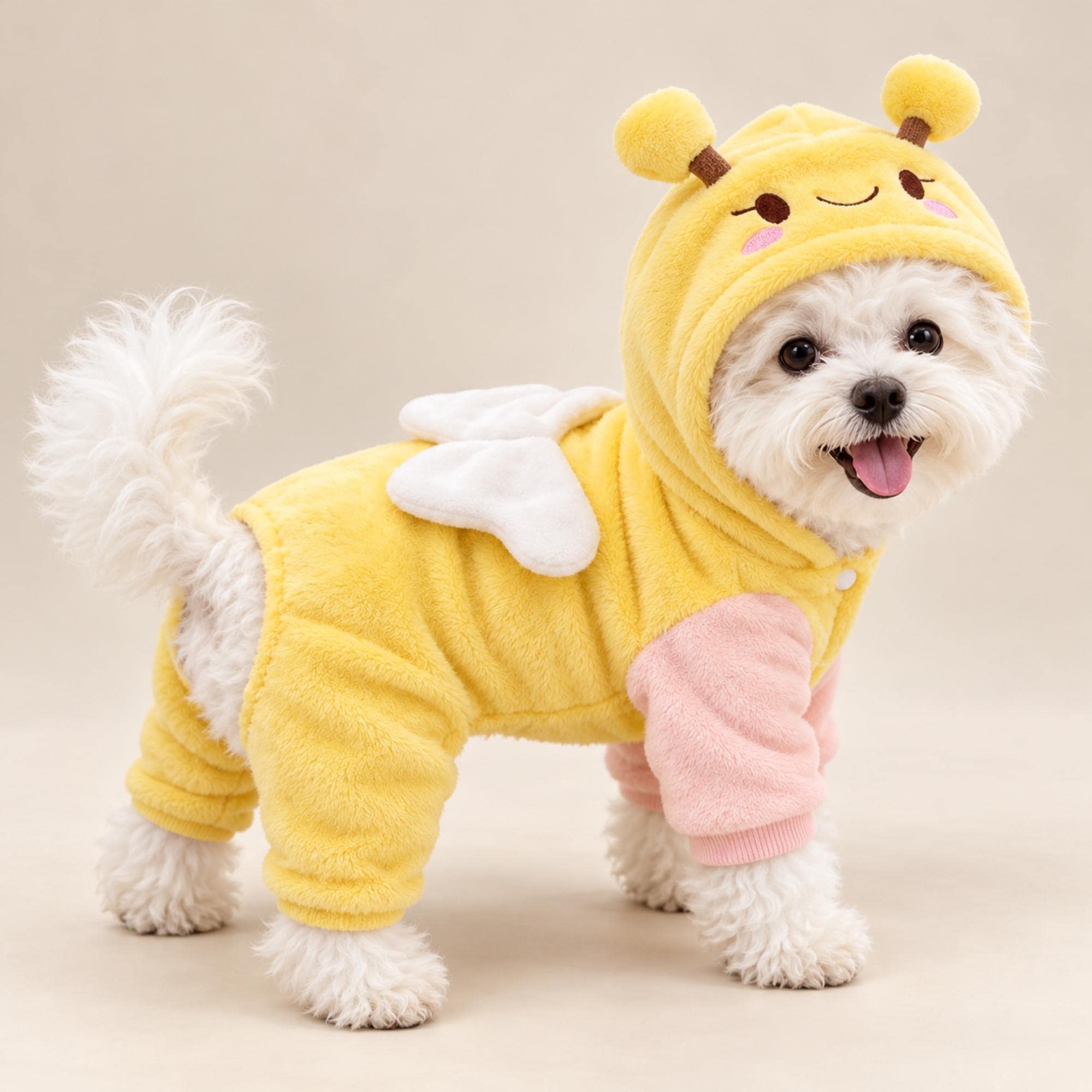
The Yellow Plush Bee Pet Costume has a hood, front sleeves, and wing details, while the Horse Pet Costume has a hood with upright ears and front-leg sleeves. These catalog examples offer visibly different looks and constructions. Keep that distinction clear in product conversations. If the available description does not answer a fit question, do not fill the gap with a guess; invite the shopper to check the chart or choose another option.
Make Measurement Guidance Easy to Use
A measurement chart only helps when customers can follow it. Make the relevant product chart available wherever shoppers compare options, and identify the measurements it requests in plain language. Staff can explain that the customer should take the listed measurements and compare them with that item’s chart. Do not supply made-up dimensions, translate a size label into a breed recommendation, or assume that a pet’s usual clothing size carries over.
For in-store conversations, a small measuring area and a written reminder of the product’s listed measurement points can make the process less rushed. Online, place sizing guidance near the product details rather than making shoppers hunt for it. Encourage customers to recheck their figures if a measurement seems inconsistent. If a chart is missing or unclear, verify the information before recommending a size or placing an order.
Plan Seasonal Styles With Fit in Mind
Costumes can bring concentrated interest around holidays, themed events, and photo occasions, while cardigans may suit a broader everyday or cooler-weather display. That difference affects how you plan depth and timing, but it does not justify buying an unverified size mix. Consider whether customers will have enough time to review measurements before a special event, and communicate any fit uncertainty before a purchase rather than after an outfit is needed.
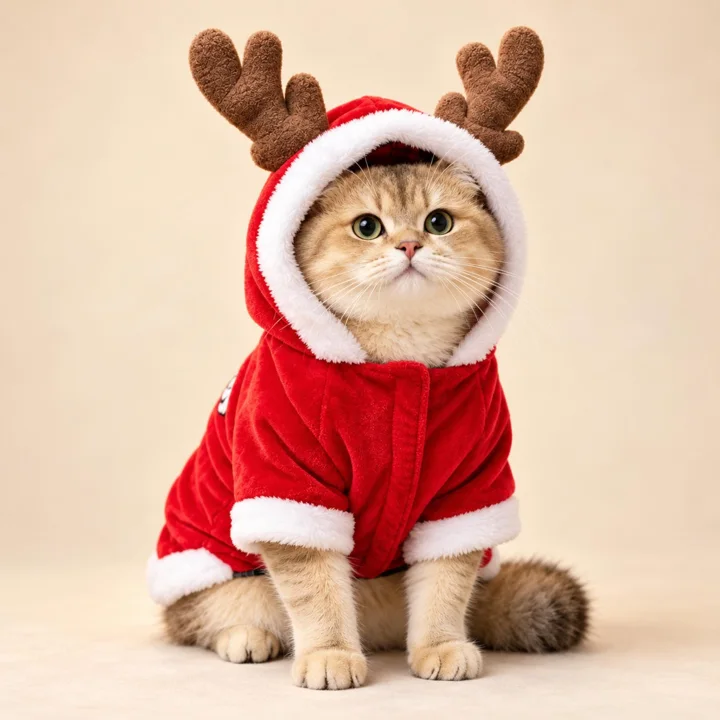
Use the product’s stated occasions as merchandising context, not as evidence of demand. The bee costume is described for Halloween, parties, and photoshoots; the horse costume also has event and portrait uses. A display can help shoppers compare styles, but keep sizing information close at hand. For cats, remember that some may reject apparel; advise stopping if a cat seems uncomfortable, supervise any outfit use, and prefer no outfit when needed.
Use Sales and Questions to Refine Reorders
After a selling period, review more than total units. Note which sizes sold, which remained, and which customer requests you could not meet. Record whether a sale involved a straightforward fit choice or a question that required extra explanation. This creates practical evidence for the next buying decision without pretending that a short sales record proves broad demand. Separate observations by item, since a costume’s results may not predict a cardigan’s.
Set a review point before the next seasonal order or assortment change. Compare remaining stock with customer requests, then decide whether to repeat, reduce, or broaden a size range where the product options allow it. If an item was slow, consider whether the cause might have been timing, design, unclear sizing information, or limited visibility; avoid attributing the result to fit alone without evidence. Confirm current product options before committing.
Keep Customer Promises Within the Product Details
Clear retail guidance earns trust by being specific about what is known. Say which measurements the product listing requests and direct shoppers to its chart. Do not promise that an outfit will fit a particular breed, guarantee comfort, or imply that decorative features serve a functional purpose. For instance, the gold-tone bell on the horse costume is described as a decorative detail; do not present it as a safety feature.
Fit is only one part of a responsible clothing conversation. Ask whether the pet accepts wearing apparel, and remind customers to supervise use and stop if the pet shows discomfort or movement is obstructed. These cautions matter especially when discussing cats, costumes, or designs with hoods and sleeves. A retailer can recommend choosing no outfit when it is not working for the animal, even if the style is popular.
Create a Repeatable Buying Checklist
Before confirming a selection, check that the product description and size chart are available, the listed measurement points are recorded, and the proposed range matches the style’s stated audience. Review the intended season or occasion, current stock, and notes from recent customer requests. This short checklist helps distinguish a reasoned buy from a visual impulse, while leaving room for a new style that fills a genuine assortment gap.
Keep a record of product-specific decisions: what range you chose, why, and what you want to learn from the selling period. Note any missing details that need confirmation before an order, including personalization options if relevant. Revisit the record after sales and customer feedback accumulate. A buying plan is useful when it changes with evidence, not when it locks the shop into one size formula for every pet garment.
A thoughtful next step
A size-conscious assortment begins with accurate product information and continues through measurement guidance, thoughtful buying, and honest customer conversations. Choose size coverage item by item, track what shoppers request, and use those observations to refine future decisions. When fit remains uncertain—or an animal resists wearing an outfit—make the cautious choice. That approach supports a more useful boutique experience without making promises a product description cannot support.
Explore our Apparel & Costumes collection, check measuring and fit guidance, or ask us about a product detail before choosing.
Pieces mentioned in this guide
These are catalog examples, not a promise of fit or availability. Read each listing and confirm the details before ordering.