

Personalized pet gifts can feel special without taking over a small store. The key is to make the shopper’s choices easy to understand: what can be personalized, what details are needed, how the finished item will be presented, and what is simply a ready-to-give product. A tidy display and a clear ordering process can make the idea approachable for shoppers buying for a pet, a new pet parent, or a friend who treats a pet as family.
Start with the products and services you can reliably offer, rather than promising customization before the details are settled. A playful outfit or a coordinated accessory can serve as a gift suggestion, but it should not be described as personalized unless that option is confirmed. Treat personalization as a carefully explained shopping choice, then build the display, signage, and staff conversation around what your store can actually fulfill.
Define what “personalized” means in your store
Shoppers may use “personalized” to mean a pet’s name, a chosen color, a made-to-order item, or simply a gift selected with that particular animal in mind. Decide which meaning applies to each offer before making signs. If a product does not have a confirmed name or design option, present it as a thoughtful gift, not a custom item. This distinction protects trust and gives staff a straightforward way to describe what is available.
Write down the details you can confirm for every personalized service: eligible item, available text or design choices, character limits, approval steps, and how the customer places the request. If any detail is still undecided, leave it off the display and ask the responsible supplier or service provider before accepting an order. Make a simple reference sheet for staff so a busy shift does not turn a tentative idea into a promise.
Build a compact display around gift occasions
A small footprint works best when the display tells a focused story. Group a few suggestions by occasion—birthday, adoption celebration, winter holiday, or a thank-you for a pet sitter—instead of arranging every item by product type. A card or small sign can explain why each selection makes a useful gift. Leave room for shoppers to handle permitted samples and read the ordering details without crowding nearby merchandise.
Use height and color to create interest without adding clutter. A single outfit on a display form, a neatly folded garment, and a small card with gift-use ideas may be enough to make a vignette. Keep any personalization information beside the relevant item, not across the room. If an order requires a separate request or confirmation, make that next step visible so customers know the display is illustrative rather than a promise of immediate customization.
Separate customizable offers from ready-to-give finds
A clear two-part presentation helps shoppers understand the difference between custom work and products that are already specified. Label one area “Personalization available—ask us for confirmed options” only when your store has verified the service. Label ready-to-give pieces with their actual product details. Avoid implying that a name, monogram, or custom color comes with an item when the product description does not say so.
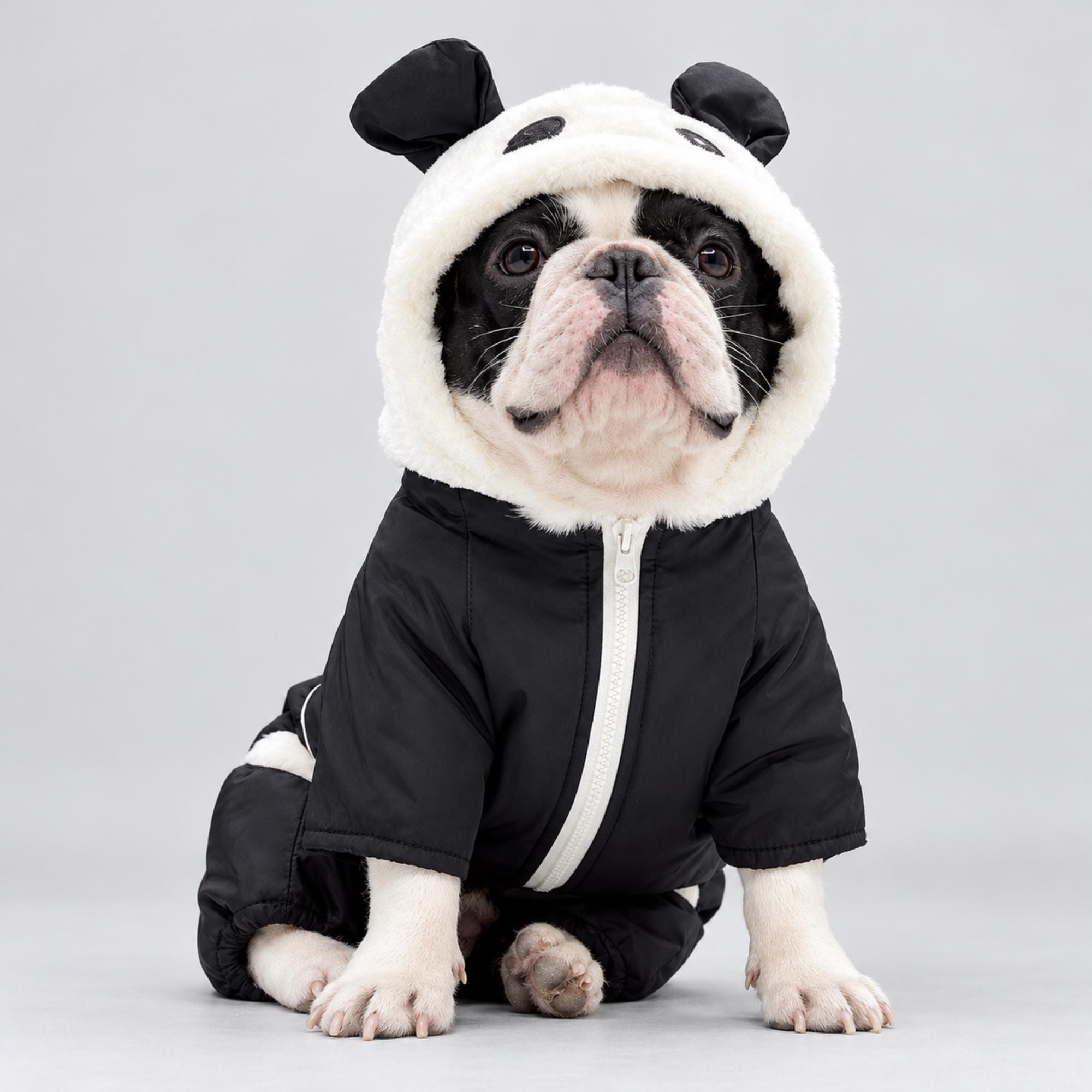
Catalog examples can inspire a gift assortment without being represented as personalized. A black-and-white Panda Pet Jumpsuit, for instance, offers a recognizable costume look for a pet photo occasion, while a Pink Fuzzy Pet Cardigan provides a bright clothing option for a small pet. Describe these by their stated design and use. If a shopper asks for a name added to either, confirm whether that service is available before taking payment or placing an order.
Make the ordering process easy to follow
For any confirmed personalization service, create a short order form that captures only the information needed: customer contact details, selected product, requested text or design, and the customer’s review of the spelling. Include a space for staff notes and a clear statement of what has and has not been confirmed. A written record reduces confusion when several people handle the display, take requests, or follow up with the customer.
Walk through the process from the shopper’s point of view. Explain when the request is submitted, whether the customer will review a proof, and which details remain subject to confirmation. Do not invent a completion date or guarantee an outcome unless the responsible provider has confirmed it. If you cannot verify an option during the conversation, offer to check and follow up rather than making an on-the-spot commitment.
Use gift tags and packaging to add a personal touch
Personalization does not have to mean altering the product. A handwritten gift tag, a short note about the occasion, or a paper sleeve with a space for the pet’s name can make a ready-to-give item feel considered. These low-complexity details let shoppers add their own message while keeping the product’s description accurate. Offer packaging only in ways your store can consistently provide, and identify any optional charge before completing the sale.
Keep presentation flexible for different recipients. A customer might be buying a cardigan for a neighbor’s small dog or a costume for a cat-loving friend, and may not know the recipient pet’s exact size. In that case, avoid suggesting a fit based only on breed or appearance. Point shoppers to the product’s actual sizing guidance, or help them choose a gift card or another option when sizing information is unavailable.
Help customers choose with useful product details
Staff guidance should focus on the details that affect a gift decision: intended pet type, available size guidance, design, and occasion. For the Pink Fuzzy Pet Cardigan, for example, the product information advises checking the size chart and measuring neck circumference, chest circumference, and back length. That is more useful than guessing a size from a photo. Encourage the buyer to check measurements with the pet’s caregiver when possible.
Be equally precise about what a product does not establish. The Panda Pet Jumpsuit is described as a costume-style, four-leg outfit for dogs and cats when the correct size is selected; that does not mean every pet will accept wearing it. Tell customers to supervise dress-up and stop if the animal seems uncomfortable or movement is obstructed. For cats especially, an outfit may not be welcome, and no clothing is the better choice when needed.
Train staff to avoid assumptions and overpromises
A short staff briefing can prevent common merchandising mistakes. Review which items are confirmed as customizable, which are standard catalog products, and which questions require checking before an answer. Practice phrases such as “I’ll confirm whether that option is available” and “This item is sold in the design shown.” Clear language sounds helpful, not hesitant, and gives customers a reliable picture of what they can purchase.
Also set a consistent approach to product-specific questions. The Dog Booties Set of 4 is described as an animal-themed set with four booties and securing straps, but the listing does not establish heat protection or a safety rating. Staff should not suggest that the shoes protect paws from hot pavement or guarantee a particular fit. Answer from confirmed details, direct the shopper to the supplied sizing information, and avoid adding claims for the sake of a sale.
Review the display and learn from shopper questions
Check the display regularly for practical issues: missing price information, a confusing label, a sample that is difficult to reach, or an order form that asks for unclear details. Keep a brief log of questions shoppers ask, such as whether a name can be added or what information is needed to select a size. Repeated questions can reveal where the signs need clarification, without requiring a larger display or more inventory.
Use the log to refine how you present the assortment, not to claim trends you have not measured. If customers often ask about personalization, first verify which options your store can support. If fit questions come up, make the product’s measurement guidance easier to find. A small store can adjust quickly: one changed sign, a better-placed reference card, or a staff note may solve the problem without expanding the assortment.
A thoughtful next step
Before opening the display, confirm every personalization option, label custom and ready-to-give products separately, and place the relevant instructions beside each item. Prepare a simple order form, train staff to verify uncertain details, and use gift tags or packaging only when your store can provide them consistently. A small, accurate presentation helps shoppers find a meaningful pet gift while keeping expectations clear from the first question to checkout.
Explore our Apparel & Costumes collection, check measuring and fit guidance, or ask us about a product detail before choosing.
Pieces mentioned in this guide
These are catalog examples, not a promise of fit or availability. Read each listing and confirm the details before ordering.