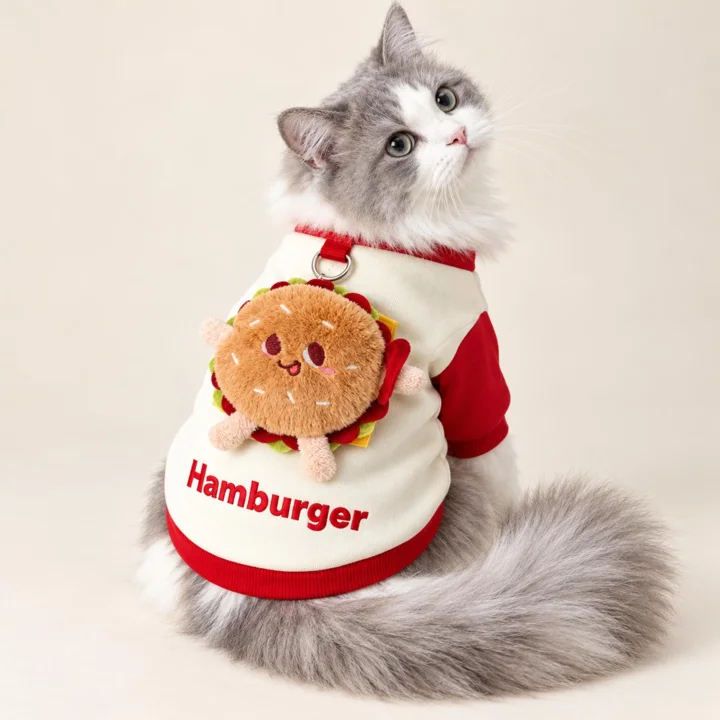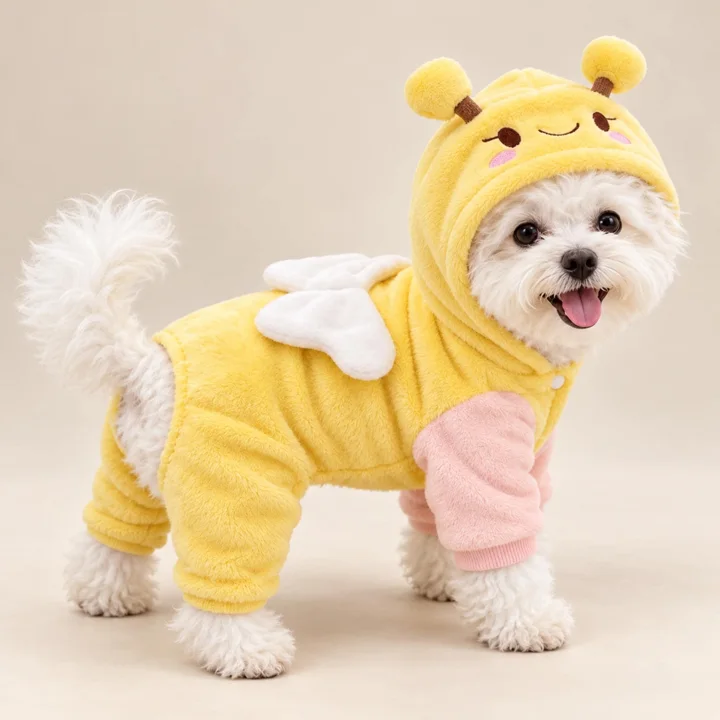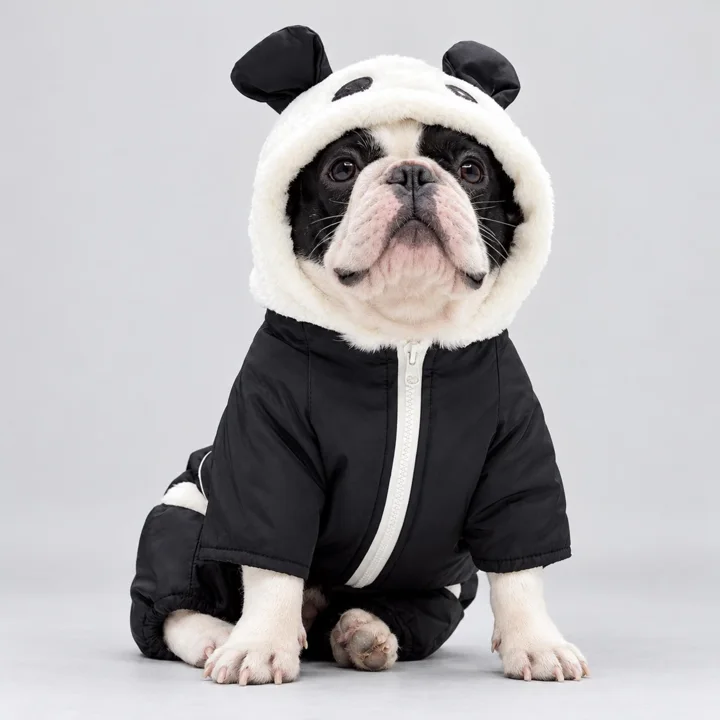


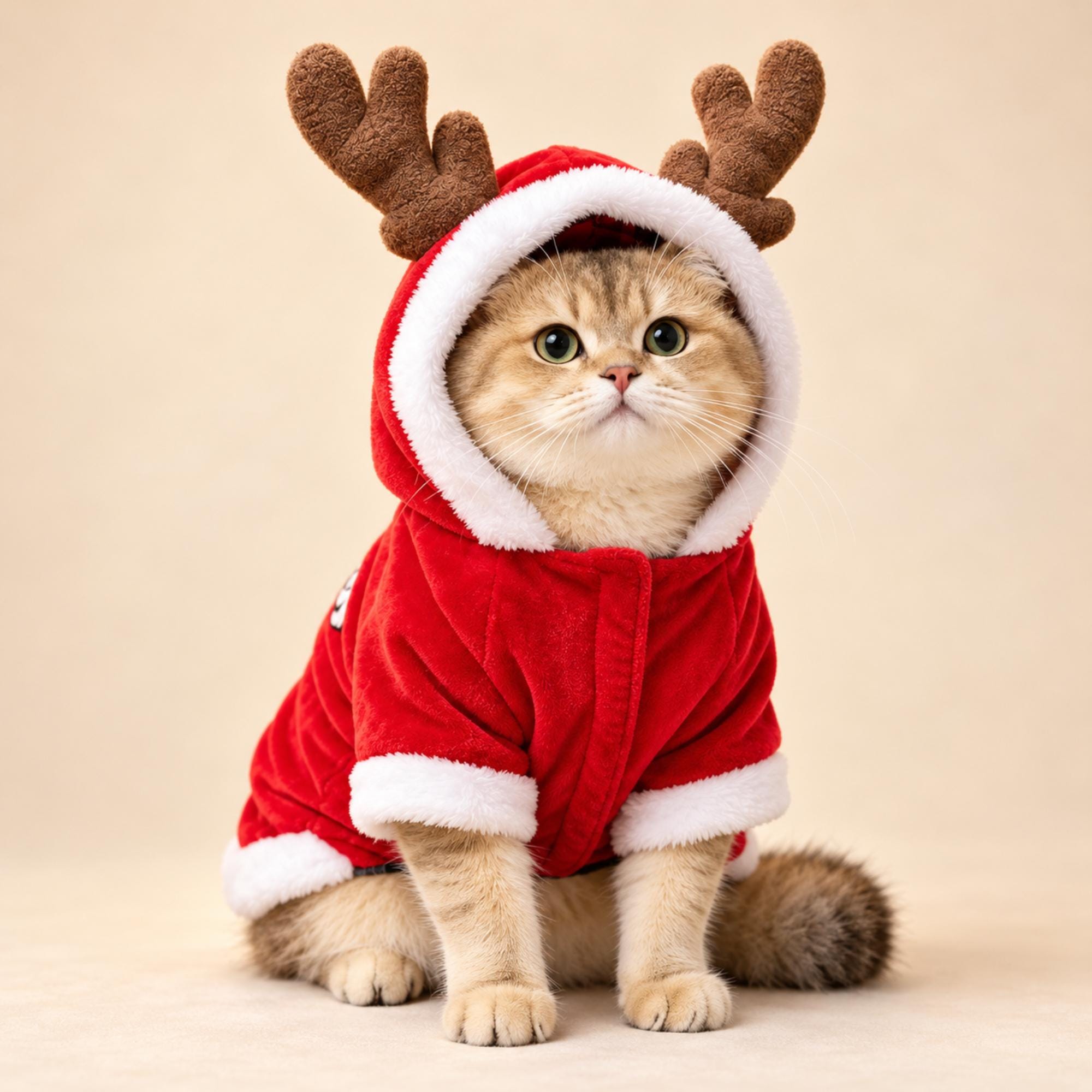
A holiday display can help shoppers picture how a pet accessory fits into a celebration, whether they are preparing for family photos or choosing a gift for a pet-loving friend. The most useful displays do more than look festive: they make products easy to compare, explain what each item is for, and leave room for practical questions about fit and a pet’s willingness to wear apparel.
Start with the products you actually carry and the kinds of decisions customers need to make. A focused assortment of holiday outfits, decorative pieces, and gift suggestions can be easier to shop than a crowded wall of unrelated seasonal goods. Use clear labels, thoughtful grouping, and a display that invites browsing without suggesting every pet will enjoy wearing a costume.
Build the display around a clear idea
Choose one visual theme to give the display coherence, such as a woodland Christmas scene, a family-photo moment, or a simple palette of red, green, and neutral tones. A theme helps shoppers understand the assortment at a glance, while keeping the products themselves in focus. Avoid adding so many decorations that a customer has to search through props to find the apparel, price, or size information they came to see.
A woodland theme, for example, could bring together reindeer designs with modest paper trees or a neutral backdrop. The Reindeer Dog Cape has a tan, fawn-spotted look with antlers and a bow; the Christmas Reindeer Hoodie features a hood with reindeer details. Naming the theme on a small sign can connect different silhouettes without implying they fit every pet or suit every occasion.
Group products by shopper need
Organize items according to how customers might use them rather than arranging everything by color alone. A small section for holiday photos, another for gatherings, and a gift-focused area can help shoppers narrow their choices. Keep related options together, but give each design enough space to be seen. If your assortment is limited, a few purposeful groupings will feel more considered than a large display padded with unrelated decorations.
Product descriptions can help establish those distinctions. A hooded reindeer outfit may appeal to someone planning a festive photo, while a cape-style design offers a different silhouette for an event. Present these as options, not as a ranking of which is more comfortable or appropriate for a particular animal. Shoppers know their pets best; useful merchandising helps them compare details and decide what to consider.
Make fit information easy to find
Holiday apparel can be difficult to choose from a glance, so put sizing guidance where customers encounter the product. If a product page provides a size chart or measurement instructions, direct shoppers to that information without inventing dimensions or promising a fit. Encourage measurement rather than selection by breed or weight alone when the product guidance says to compare actual measurements.
For example, the Reindeer Pet Costume listing asks shoppers to check neck circumference, chest circumference, and back length against its size chart. A concise display card can remind customers to consult the listing’s measurements before ordering. Keep the note specific to that item’s guidance; do not imply that every costume uses the same measurements, size range, or fit standard. If a customer is unsure, help them locate the relevant product details.
Use signs that answer real questions
Good signs are brief, readable, and grounded in the product information. Identify the design, note whether it is presented for cats, dogs, or both, and point shoppers toward sizing details when available. A simple occasion cue such as “holiday photos” can help customers imagine a use without making a claim about how an animal will respond to the outfit.
Avoid unsupported promises about warmth, comfort, durability, washing, or safety features. Do not describe decorative neckwear as a walking restraint, and do not imply a clasp is breakaway unless the product information confirms it. Keep wording calm and practical: apparel is optional, and pets may not accept it. Honest signs build trust by helping shoppers understand both what a product is and what the listing does not establish.
Create a photo moment without pressure
A small photo area can make a seasonal display engaging, especially when customers are shopping for a holiday portrait. Keep the backdrop stable, the floor clear, and props arranged so they do not block the merchandise or create trip hazards. A tabletop scene or a photo sample featuring a product can communicate the look without asking an unfamiliar pet to model in the store.
If a customer wants to try apparel on their pet, let the pet’s behavior guide the interaction. Do not insist on a costume for a photo or treat a still pose as proof that an animal is comfortable. Encourage customers to stop if the pet shows discomfort, and keep supervision in mind. For a cat that resists clothing, a no-outfit photo or a decorative setting may be the better choice.
Keep the layout accessible and calm
Place frequently handled items within easy reach and leave enough space for customers to browse without jostling displays. Keep small props, loose packaging, and anything that could be mouthed away from pets. A tidy layout also makes it easier for staff to return products to the right place and notice when a size or design needs attention.
Consider the store’s everyday traffic, not only how the display looks in a staged photograph. Leave aisles open, avoid obstructing sightlines, and keep fragile decorations out of reach where pets may visit. If the display becomes crowded during busy periods, reduce the number of samples on show and store the rest according to your normal procedures. A clear presentation is often more useful than filling every available surface.
Plan for gifting and careful comparisons
Some shoppers are buying for a pet they do not live with. Help them think through practical details: the recipient may need to confirm measurements, know whether the animal accepts apparel, and decide whether a particular style suits the occasion. Gift signage can suggest checking those details with the pet’s caregiver rather than presenting a costume as a guaranteed fit.
Set out comparable styles together so customers can see differences in silhouette and design. The Reindeer Dog Cape and the Christmas Reindeer Hoodie provide distinct visual options, while another hooded reindeer costume adds details such as a red nose and bow. Describe only features stated in the product information. Avoid suggesting that one style will work better for a pet based on breed, temperament, or activity level.
Refresh the display as the season moves
A holiday display can stay relevant with small, timely adjustments rather than a complete redesign. Early in the season, emphasize planning ahead and checking fit information; closer to gatherings and photo occasions, bring those use cases forward. Keep signs current and remove any item that is no longer available according to your own inventory records, without making assumptions about replenishment or delivery.
Pay attention to what customers ask. Repeated questions about sizing, whether a style is for cats as well as dogs, or how to approach an unwilling pet can show where a sign needs clarification. Treat those questions as a prompt to improve the display, not as evidence of broad demand. A short staff briefing can also help everyone describe product details consistently and avoid unsupported claims.
A thoughtful next step
Before opening, step back and check whether a shopper can understand the theme, compare the available styles, and find the relevant sizing guidance without asking for help. Keep the presentation tidy, factual, and easy to navigate. The strongest holiday display makes seasonal shopping inviting while leaving room for each pet’s measurements, preferences, and comfort to guide the final decision.
Explore our Apparel & Costumes collection, check measuring and fit guidance, or ask us about a product detail before choosing.
Pieces mentioned in this guide
These are catalog examples, not a promise of fit or availability. Read each listing and confirm the details before ordering.