

A useful pet apparel assortment is more than a wall of charming outfits. It gives shoppers clear choices for different occasions, styles, and pets while helping them understand what each garment is—and is not—designed to do. For a boutique, the goal is a considered selection that feels distinctive without making fit, use, or care harder to navigate.
Build the range around the decisions customers actually face: how much coverage they want, whether the outfit is for everyday wear or a photo, what style suits their pet, and how to choose a size. A few well-defined categories can make a compact display feel complete and help staff recommend options with confidence.
Start with clear reasons to shop
Organize the assortment by use rather than treating every item as interchangeable. Everyday sweaters and cardigans serve a different shopping need from a costume for a party or a playful outfit for a photo. A boutique might group pieces under simple signs such as “easy everyday layers,” “occasion looks,” and “dress-up.” These labels help customers scan quickly, especially when several garments share bright colors or novelty details.
Keep the categories honest and specific. An outfit can be suitable for photos, celebrations, or casual dress-up without being appropriate for every pet or every situation. Avoid presenting apparel as medical equipment or as a substitute for supervision. When staff can explain the intended use in a sentence, shoppers are less likely to mistake a decorative garment for specialized gear.
Balance familiar styles with statement pieces
A strong rack needs both easy-to-understand options and a few items that make shoppers pause. A button-front cardigan, such as the pink fuzzy pet cardigan, offers a recognizable silhouette with a vivid color and textured look. It can anchor a display for customers seeking a straightforward outfit, while leaving room for novelty designs that create conversation and work especially well for gifting.
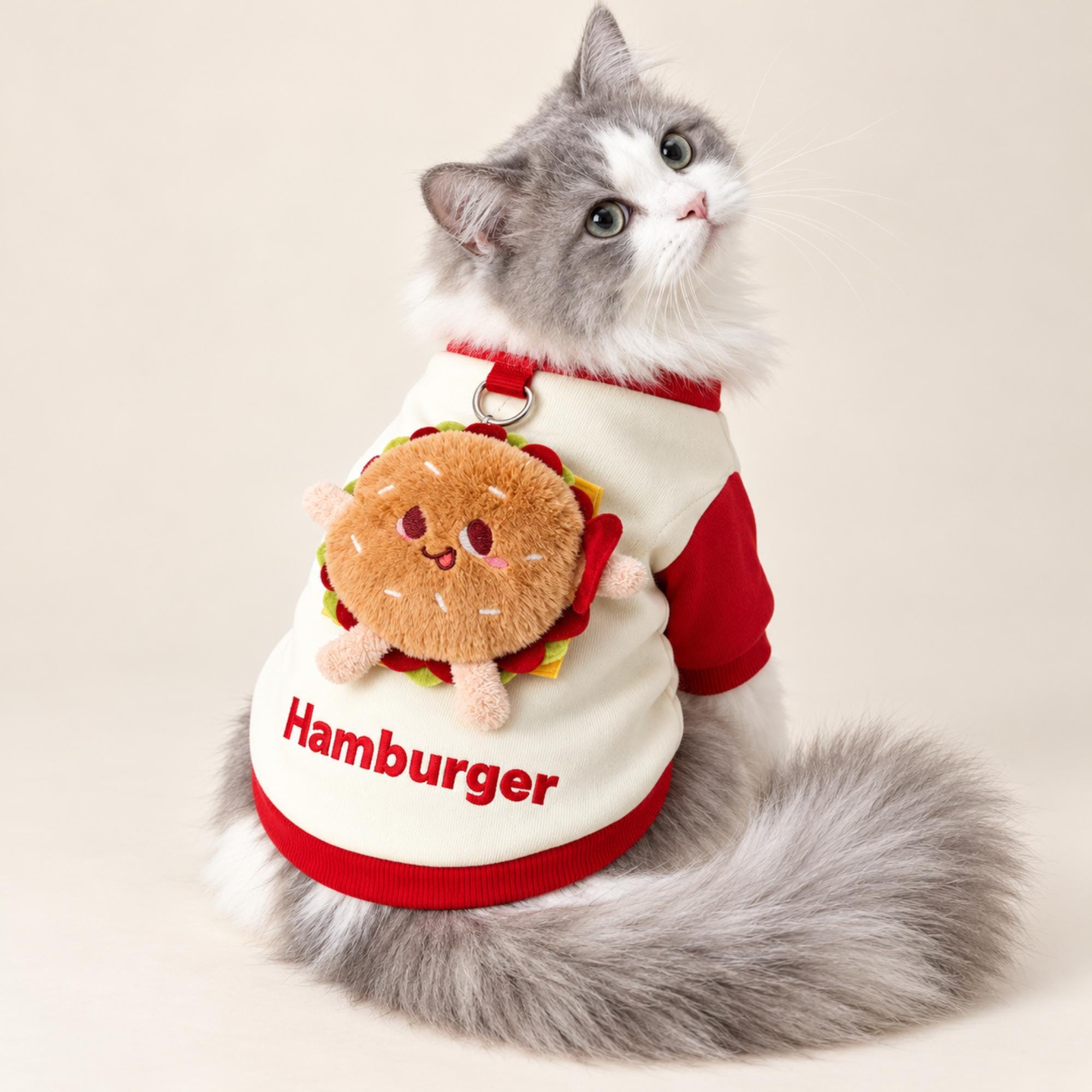
For a bolder example, the hamburger pet sweatshirt combines cream and red coloring with a dimensional burger decoration and lettering. That kind of statement piece gives the assortment personality, but it should not dominate every category. Pair one or two playful looks with simpler garments so customers who prefer a quieter style can still find an option that fits their taste.
Plan for more than one level of coverage
Coverage is a practical way to distinguish garments on the sales floor. A short-sleeve cardigan and a four-leg jumpsuit offer visibly different silhouettes, so shoppers can compare them without relying on vague labels. Describe the actual construction, such as sleeves, body coverage, openings, or a hood, using details supplied for the item. Avoid assuming that more coverage is better for every animal or setting.
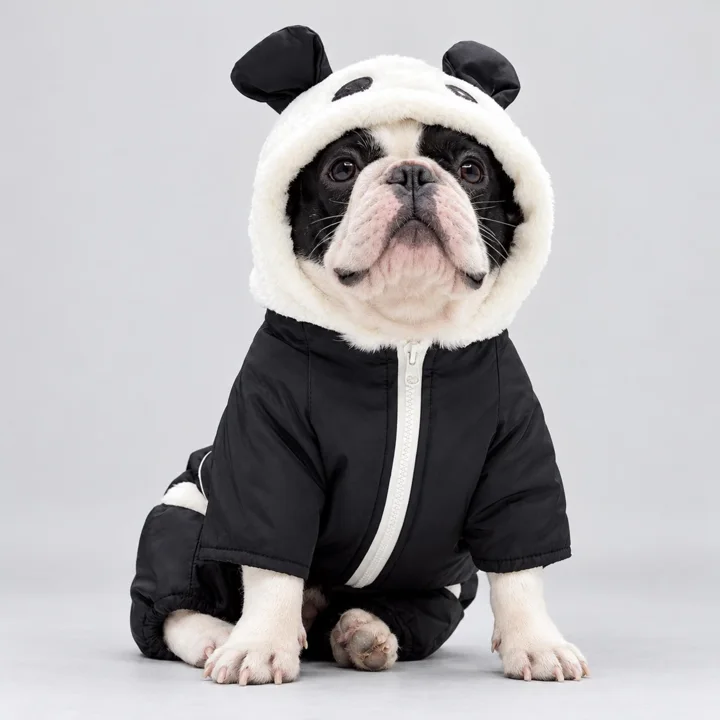
The panda pet jumpsuit, for example, has a four-leg design, an oversized hood, and paw openings. Those details make it a clear costume-style choice rather than a basic sweater. Staff can point out that the hood leaves the eyes and nose open, while still reminding customers to check fit and observe their pet. A garment should come off if it restricts movement or causes distress.
Make sizing part of the assortment plan
A wide range of designs is not useful if shoppers cannot tell which sizes are available or how to choose among them. Keep the size chart accessible beside the display, and encourage customers to use the measurements requested for each product rather than selecting by breed name or weight alone. Apparel proportions can vary, so clear measuring guidance is more helpful than a broad promise that a size will fit.
For a cardigan, the listed guidance asks shoppers to measure neck circumference, chest circumference, and back length. Train staff to show customers where those measurements are taken and to compare them with the product’s chart. If a pet falls between listed options or the chart is unclear, do not guess. Confirm the fit information before recommending a size or completing an order.
Include cats thoughtfully
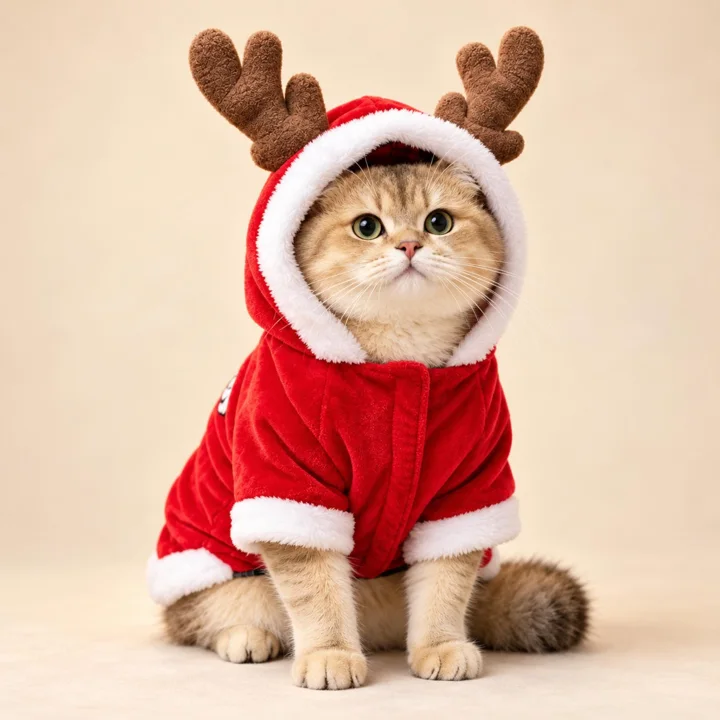
Cat apparel can broaden a boutique’s offer, but it calls for especially careful merchandising. A product may be listed for cats and dogs when the correct size is selected; that does not mean every cat will accept wearing it. Make this distinction visible in staff guidance and avoid treating a cat’s tolerance as guaranteed. A photo opportunity or themed occasion should never outweigh signs that the animal wants the garment removed.
Recommend a brief, supervised introduction in a calm setting, with no pressure to keep the outfit on. Customers should stop if a cat struggles, freezes, or appears uncomfortable, and should avoid any garment that interferes with movement, vision, breathing, or normal behavior. For some cats, no outfit is the right choice. That practical advice builds trust better than suggesting every item suits every pet.
Use occasions to shape seasonal edits
Occasion-based edits let a retailer refresh the presentation without reorganizing the entire assortment. A Halloween grouping might feature costume silhouettes, while birthday and holiday displays can focus on photo-ready colors and playful details. The panda jumpsuit’s black-and-white costume design and the hamburger sweatshirt’s food-inspired decoration offer distinct visual directions. Merchandising them as examples of different moods helps shoppers understand the range.
Seasonal language should stay measured. A product described for cooler weather or winter wear is not a promise of warmth in every condition, and apparel should not be presented as protection from heat. Suggest that customers consider the garment’s construction, their pet’s response, and the environment. Keep practical use and supervision in the conversation, even when the display is built around a festive theme.
Merchandise details customers can compare
Useful product descriptions give shoppers concrete points of comparison: color, silhouette, sleeve style, closures, decorative features, and intended occasions. A cardigan’s button front and ribbed cuffs are easy to describe; a sweatshirt’s dimensional decoration and contrasting sleeves are equally specific. These details help customers choose between items without relying on broad claims about quality, comfort, or performance that may not be established by the product information.
Be especially precise with unusual design features. The hamburger sweatshirt has a metal D-ring detail on the upper back, but that does not make it a walking restraint. Do not suggest attaching a leash unless the product information expressly supports that use. Similarly, do not invent washing directions, fabric composition, safety ratings, or included accessories. If a customer asks and the details are unavailable, say so and seek confirmation.
Keep the floor easy to browse
Arrange apparel so shoppers can see the garment’s shape and distinctive details. Separate everyday styles from costumes, then group by size or another clear system within each category. Keep labels readable and place measuring guidance where customers can use it without asking. For a small assortment, a compact rack with a few visual groupings may be easier to navigate than a crowded display that mixes every style together.
Give staff a short, consistent way to explain each category: what the garment looks like, what occasions it suits, which measurements matter, and what limitations shoppers should keep in mind. Invite customers to check fit before use and supervise pets wearing apparel. If a garment obstructs movement or a pet resists it, recommend taking it off. That guidance makes the display useful, not merely decorative.
A thoughtful next step
Before adding a style, ask what role it fills, how shoppers will compare it, and whether the fit information is clear. A balanced boutique assortment can pair simple everyday silhouettes with a few distinctive costume or photo options, while making room for different coverage preferences and careful cat-apparel guidance. Review the display with a customer’s questions in mind: what is it, when might it suit my pet, and how do I choose a size? Clear answers turn a collection of garments into a thoughtful retail selection.
Explore our Apparel & Costumes collection, check measuring and fit guidance, or ask us about a product detail before choosing.
Pieces mentioned in this guide
These are catalog examples, not a promise of fit or availability. Read each listing and confirm the details before ordering.