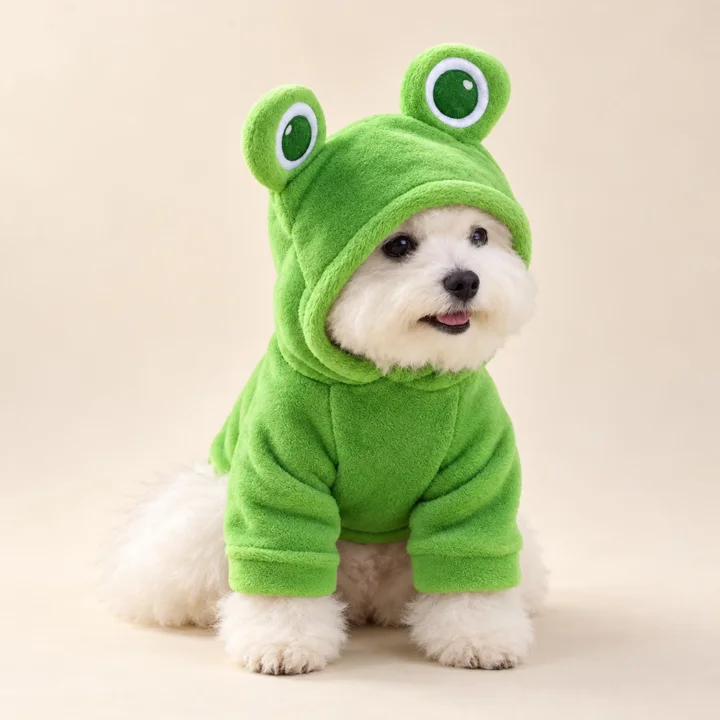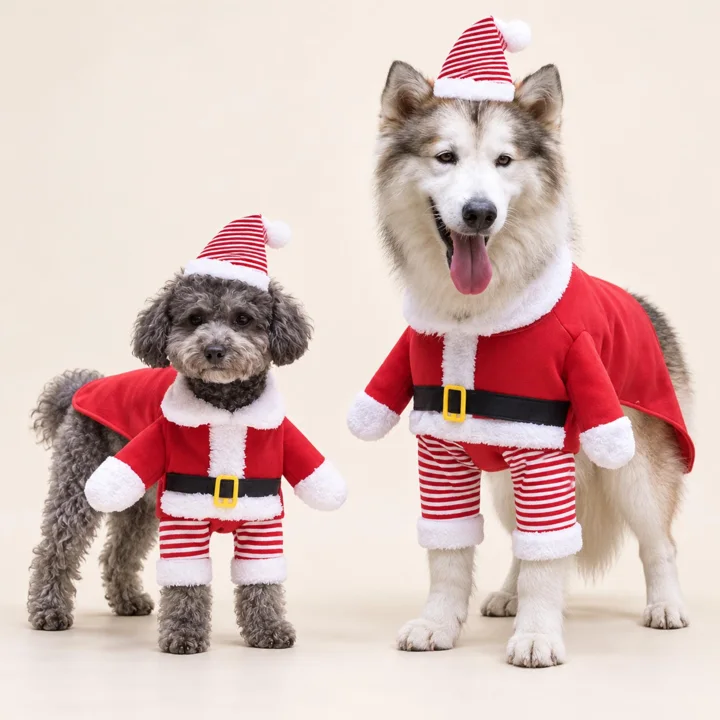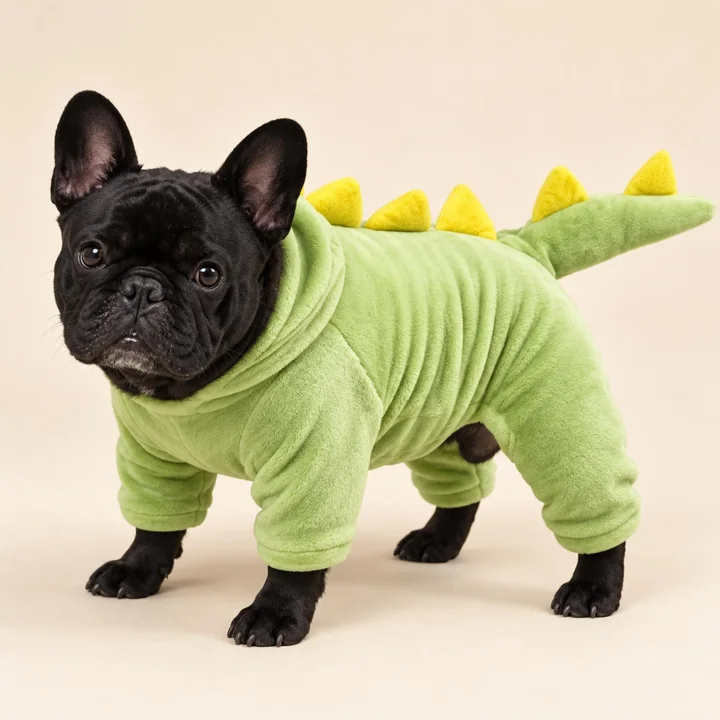


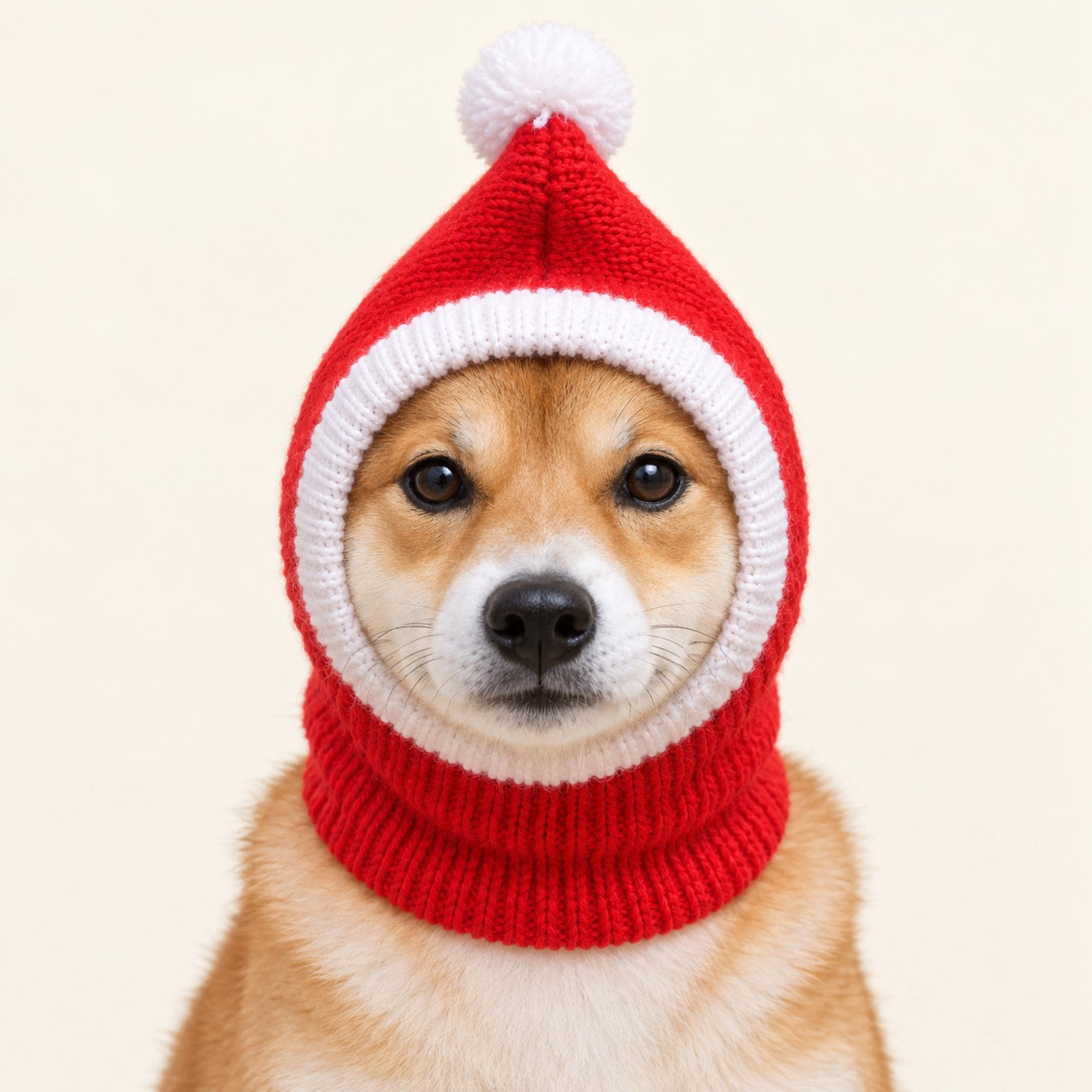
A pom-pom, padded costume arm, or row of fabric spikes can make a pet outfit memorable—and give it more details to look after between occasions. A little care helps keep those details from snagging, flattening, or disappearing into a crowded drawer. Start with the item’s care instructions, since different fabrics and decorations may need different handling.
Care is also about deciding when an accessory is appropriate. Check how it sits on your pet, supervise wear, and stop if your pet seems uncomfortable or movement is restricted. Decorative pieces are for dress-up, not restraint. When an outfit is not a good fit for your pet or the moment, set it aside and choose a simpler option—or no outfit.
Inspect details before and after wear
Before dressing your pet, look over the whole accessory in good light. Check seams, closures, trim, and attached decorations for loose threads, gaps, or damage. Give raised details a gentle visual check rather than pulling on them. For example, a Santa-style snood’s white pom-pom and contrasting trim deserve a quick look before holiday photos, especially if the item has been stored since last season.
After use, repeat the inspection while the accessory is still easy to examine. Look for a snag from a claw, a stretched opening, or a decoration that has shifted. If a detail is loose or damaged, keep the item away from your pet until you can determine whether it can be safely repaired. Do not leave a pet unattended in an accessory while you assess it.
Check the care instructions first
There is no single cleaning method for every embellished accessory. Read the product’s care information before using water, detergent, a brush, or any cleaning device. If instructions are missing or unclear, avoid experimenting with heat or soaking; contact the seller for guidance when possible. A knit snood, fleece jumpsuit, and costume with padded pieces may respond differently to the same treatment.
Pay attention to decorations as well as the main fabric. Water or vigorous handling may affect a detail differently from the surrounding garment, and a surface that looks sturdy may still have a delicate attachment. Do not assume that an item is machine washable, waterproof, or safe for a particular cleaner unless its instructions say so. When in doubt, remove loose surface debris gently and pause before deeper cleaning.
Remove surface debris with a light touch
For routine tidying, begin with the least forceful approach that suits the care label: inspect the item, then remove visible lint, hair, or crumbs by hand if they come away easily. Avoid tugging at threads or brushing across raised features. On a costume with dimensional arms or a plush baguette, work around those shapes instead of pressing them flat or pulling at their attachment points.
If a mark remains, do not scrub harder simply because the rest of the fabric looks durable. Strong rubbing can distort knit texture or stress a seam, while improvised stain products may affect color or trim. Follow the stated cleaning guidance for the specific accessory. If no method is provided and the mark cannot be lifted gently, seek advice rather than risking damage to a favorite photo outfit.
Dry completely before putting anything away
Moisture trapped in folds, lining, or dense decorative details can linger after cleaning or a damp outing. Follow the item’s drying instructions and check hidden areas, such as the inside of a hood or the space beneath a costume detail. Do not pack an accessory away while it still feels damp. If the care information does not specify a drying method, avoid assuming that a dryer, direct heat, or a sunny windowsill is suitable.
Let the accessory finish drying in a place where pets cannot chew or pull at it. Once dry, inspect it again for changes in shape, loose threads, or separated details. This is particularly useful after cleaning a multi-part costume, where damp sections may dry at different rates. Patience here can help prevent an item from being stored with moisture tucked into a seam or gathered around an embellishment.
Store by shape and decoration
Choose storage that gives an accessory room without crushing its distinctive features. A Santa-style snood can be folded loosely if its care instructions allow, but avoid placing heavy items on its pom-pom or pointed hood. Costumes with raised or padded details may need a wider, less crowded spot so their shapes are not forced flat. The goal is to keep pieces together while limiting pressure and friction.
Keep clean accessories in a dry, protected location, separated from pet toys, grooming supplies, and items that could snag them. A labeled bin or drawer can work if it is not packed tightly. For a costume with several attached visual elements, place it where those details will not catch on other garments. Choose a storage arrangement based on the item’s shape rather than assuming every accessory belongs on the same hanger.
Keep seasonal outfits easy to find
Seasonal accessories are easy to forget once the occasion passes. Store holiday wear together and label the container with a plain description, such as “Christmas photo accessories,” so you can find it without rummaging. Keep the storage area accessible to adults but out of reach of pets. This is helpful for items with pom-poms, costume shapes, or other features that should not become unsupervised chew toys.
Before putting an outfit away for several months, confirm that it is clean, completely dry, and in usable condition. Note any repair or fit question while you still remember it; do not wait until a gathering is underway. A red Santa snood, for instance, may be reserved for a brief seasonal photo rather than kept in everyday rotation. Store it with that intended use in mind.
Make a simple organization routine
A small inventory can prevent duplicate purchases and last-minute surprises. Record the accessory’s name, occasion, storage spot, and any issue noticed after wear. You do not need a complicated spreadsheet: a note on a phone or a label inside a storage bin may be enough. Include whether the item needs a closer inspection or whether its care instructions are stored alongside it.
Set a brief check-in before planned dress-up occasions. Take out the item, review its condition, and consider whether it suits the pet’s current size and behavior. Product size guidance should be followed, but a label alone cannot tell you whether your pet will accept wearing it. Try it only with supervision, and do not force the accessory if your pet resists or appears uneasy.
Prioritize your pet over the photo
An accessory should not block vision, interfere with breathing, restrict natural movement, or prevent your pet from behaving normally. Supervise wear throughout, keep sessions brief, and remove the item if your pet struggles, freezes, repeatedly paws at it, or otherwise seems uncomfortable. Cats may reject clothing altogether; stop rather than trying to make them tolerate an outfit for a picture.
Costumes and decorative neckwear are not walking restraints. Do not attach a leash to a snood or costume unless the product is explicitly designed for that purpose. A baker costume with a plush baguette, for example, is a dress-up piece, not a substitute for a properly selected walking setup. If you cannot supervise closely or your pet needs to move freely, choose no outfit for that activity.
A thoughtful next step
A practical care routine is simple: inspect embellishments, follow the item-specific cleaning instructions, dry thoroughly, and store each piece where its shape will not be crushed or snagged. Check fit and condition again before the next use, and let your pet’s behavior guide the decision to continue. Good organization keeps special accessories ready for an appropriate occasion; it never takes priority over your pet’s safety and comfort.
Explore our Apparel & Costumes collection, check measuring and fit guidance, or ask us about a product detail before choosing.
Pieces mentioned in this guide
These are catalog examples, not a promise of fit or availability. Read each listing and confirm the details before ordering.