

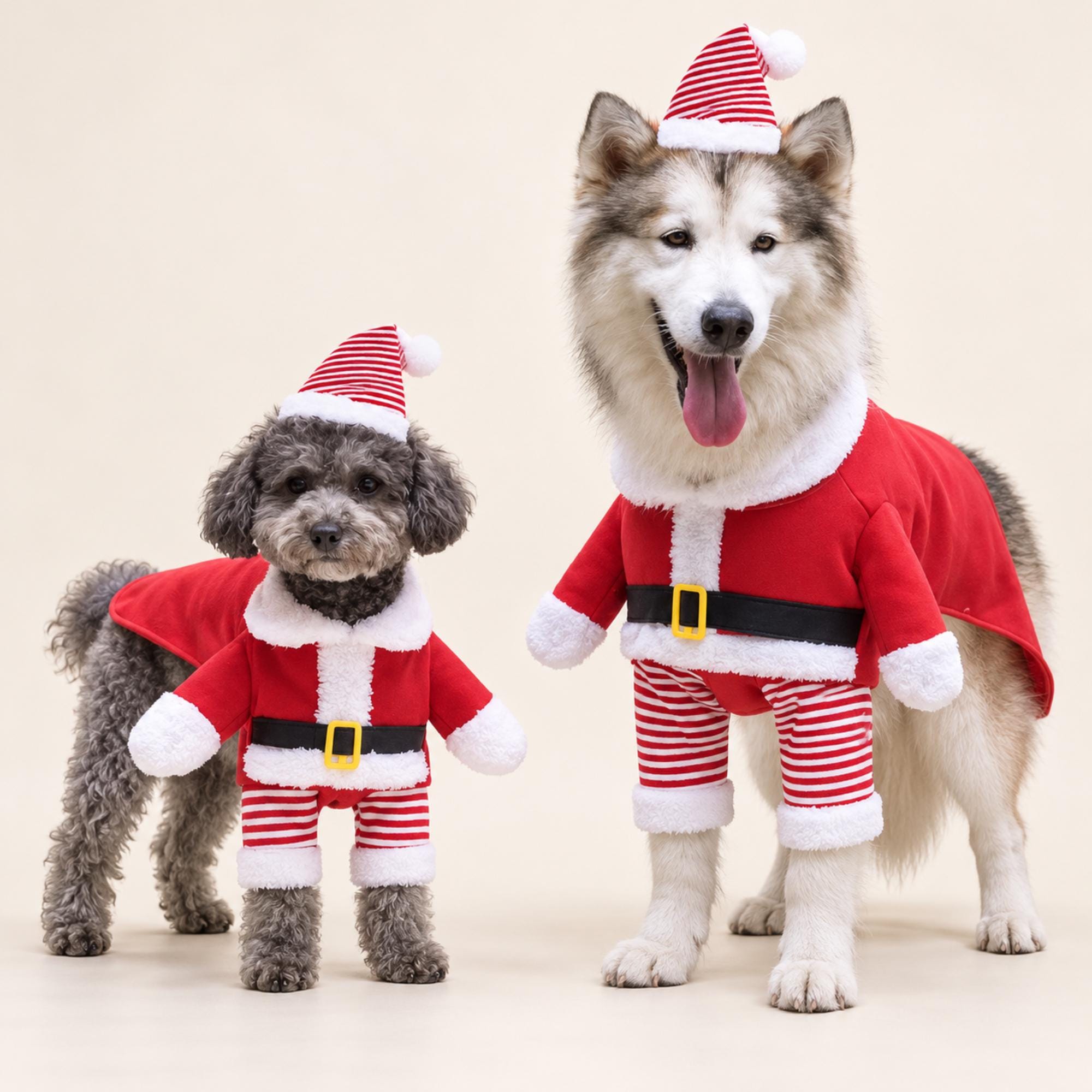
Pet clothes can accumulate in small batches: a sweater for a chilly morning, a costume for a celebration, or an outfit that looked just right last year. Without a simple system, it is easy to overlook what fits, misplace a favorite, or discover too late that a seasonal item no longer suits your pet. Organizing by size and season makes the collection easier to use without turning it into a complicated project.
Start with the clothes you actually reach for, then make decisions based on fit, condition, and the occasions ahead. A dog’s measurements can change, and some pets are happier without clothing altogether. Keep comfort and supervision at the center of the process: storage should help you choose thoughtfully, not encourage dressing a pet who is signaling that an outfit is unwelcome.
Gather everything before sorting
Bring clothing and costumes together in one place, including items tucked into travel bags, laundry baskets, or seasonal boxes. Separate pet garments from harnesses, leashes, collars, and decorative neckwear; those accessories have different uses and should not be mistaken for clothing or walking restraints. A clear surface gives you room to inspect each piece and compare similar items. If you share care duties, invite the other household members who dress or walk the pet.
Make a quick inventory as you go. A notebook or phone list can record an item’s name, intended season, and any fit notes, such as “snug at chest” or “only for supervised photos.” You do not need a detailed catalog for a small wardrobe. The useful goal is to know what is on hand and where it belongs, rather than relying on memory when a holiday or weather change arrives.
Sort by current fit, not the tag
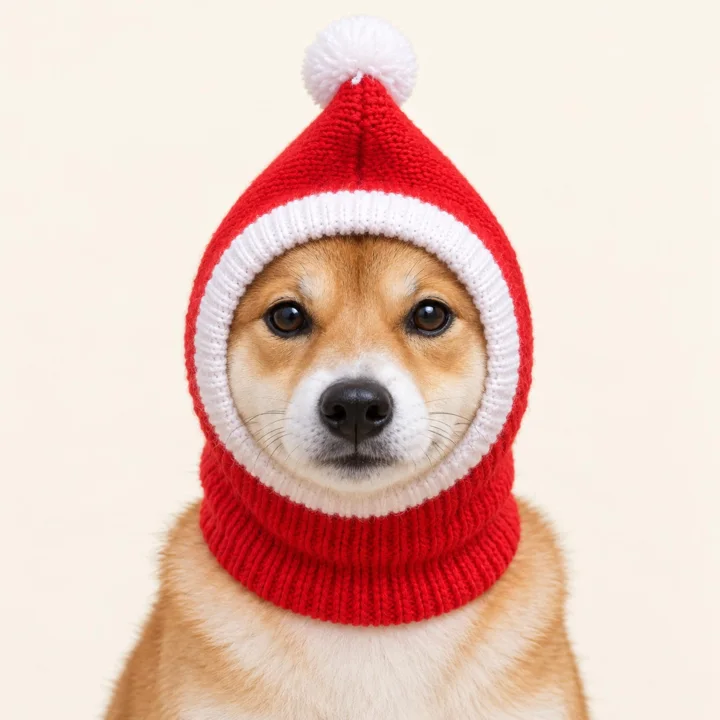
Create three groups: fits now, needs a careful try-on, and no longer fits. A size label is only a starting point; pets vary in shape, and a garment’s cut matters. For a new purchase, consult its size chart and measure the areas it specifies. The Standing Santa Dog Costume, for example, calls for checking neck circumference, chest circumference, and back length against its chart. Do not assume another outfit’s size will match.
When assessing an existing garment, look for movement without restriction. It should not obstruct breathing, vision, walking, or normal bathroom habits, and you should be able to remove it promptly. Stop the fitting if your pet seems distressed or persistently tries to get out of the clothing. Keep uncertain pieces in a separate, clearly marked group until you can reassess them calmly; never treat an old label as proof of a safe fit.
Make seasonal groups that match your routine
Divide clothing by the times you are likely to use it, not by a rigid calendar. One household might sort into cool-weather wear, warm-weather occasions, and year-round photo or event pieces. Local weather and indoor routines affect what is practical, so a season label should help you find an item rather than imply that clothing is necessary. When conditions change, choose garments based on the individual pet and the situation.
Costumes often fit better under occasion than weather. A Halloween outfit, birthday look, and holiday costume can each have a labeled place even if they share a season. The Yellow Plush Bee Pet Costume is described for Halloween and themed photos, while the Horse Pet Costume is presented for parties and animal-themed events. Those examples can help distinguish occasion wear from everyday clothing, without assuming either belongs in regular rotation.
Keep occasion pieces easy to identify
Store special-event outfits where you can find them before the event, but keep them apart from everyday garments. Use a label such as “holiday photos” or “costumes,” and add the pet’s name if more than one animal has clothing. For instance, the Standing Santa Dog Costume is a distinctly Christmas-themed piece, so a holiday box or event section is more useful than placing it among general cool-weather clothes.
Keep any original fit information with the item when available, or note where to find the relevant size chart before ordering a replacement. Costumes may have details such as hoods, sleeves, or decorative parts that deserve a fresh inspection before use. Do not assume every pet will tolerate those features. Supervise wear, check that the outfit does not obstruct movement or senses, and remove it if the pet becomes uncomfortable.
Choose storage that keeps items visible
For a small collection, a drawer divider, washable bin, or shelf basket may be enough. Choose a location that is dry, clean, and away from direct household traffic where garments can be pulled out or mixed with other items. Fold pieces loosely and place frequently used clothing near the front. If several pets share a storage area, use separate bins or clear labels rather than relying on color coding alone.
Avoid packing clothes so tightly that you cannot inspect them or retrieve one without disturbing the rest. Keep delicate-looking costume details from being crushed under heavier items, and store pieces with their matching components together when applicable. Do not assume a particular garment can be machine washed or stored in a specific way; follow the care information supplied with that item. If care instructions are missing, use a cautious approach and avoid unverified cleaning methods.
Label for quick choices and shared care
A useful label answers a real question: whose item is this, when might it be used, and does it fit now? Try concise labels such as “Milo—fits now,” “winter occasions,” or “try on before use.” If an item is reserved for a short event, note that too. Keep labels factual and update them when the pet’s body or the household’s routines change.
Shared-care homes benefit from a simple rule posted near storage: check fit, supervise clothing, and remove it if the pet resists or seems uncomfortable. This helps prevent someone from mistaking a costume for an everyday layer or putting a garment on without checking its condition. Make clear that decorative neckwear is not a walking restraint, and keep walking equipment separate so there is no confusion during busy outings.
Review condition before putting clothes away
Inspect garments for loose seams, missing closures, damaged fabric, or decorations that have come away. Check the areas that experience the most movement, such as openings and sleeve edges. Set aside anything that could catch, irritate, or create an obstruction, and do not return it to the ready-to-wear group until you have decided what to do. If a piece appears unsuitable or cannot be made reliably safe, retire it.
Before storage, make sure an item is dry and follow its supplied care directions. Avoid guessing about washing methods, especially for costumes with plush textures, attached details, or decorative pieces. If you cannot confirm how to clean a garment, consider seeking guidance from the seller or choosing a conservative option. A clean, dry storage routine can help keep the collection orderly, but it cannot replace a fresh inspection before each use.
Refresh the wardrobe as your pet changes
Revisit the “fits now” group at the start of a new season, before a planned event, or whenever you notice a change in your pet’s shape or movement. Growth, weight changes, and a different coat can affect how clothing sits. Move questionable pieces back to the try-on group rather than assuming that a familiar outfit will still fit. This small review is more reliable than waiting until you are dressing your pet at the last minute.
Let your pet’s response shape the size of the wardrobe. Some animals accept clothing for brief, supervised occasions; others prefer not to wear it. If your pet freezes, struggles, repeatedly tries to remove an outfit, or otherwise seems uncomfortable, take it off and choose no outfit when needed. Keep practical, tolerated pieces easy to reach and avoid buying replacements simply to fill a category.
A thoughtful next step
A useful pet-clothing system needs only a few clear categories: current fit, season or occasion, and items to reassess or retire. Store pieces where you can see them, keep fit notes with the relevant garments, and inspect each outfit before use. Recheck sizing as your pet changes, supervise any clothing, and treat willingness as part of the decision. If an outfit obstructs movement or causes discomfort, put it away and let your pet go without it.
Explore our Apparel & Costumes collection, check measuring and fit guidance, or ask us about a product detail before choosing.
Pieces mentioned in this guide
These are catalog examples, not a promise of fit or availability. Read each listing and confirm the details before ordering.