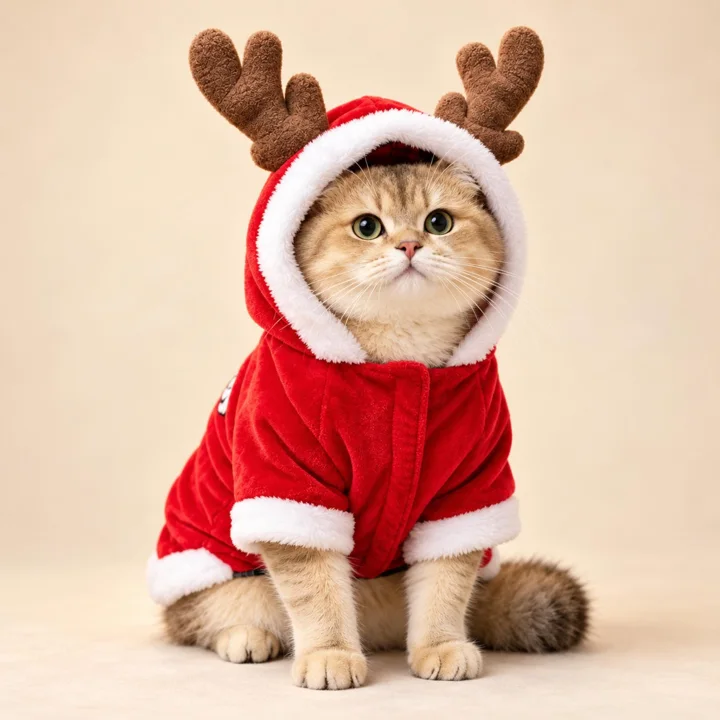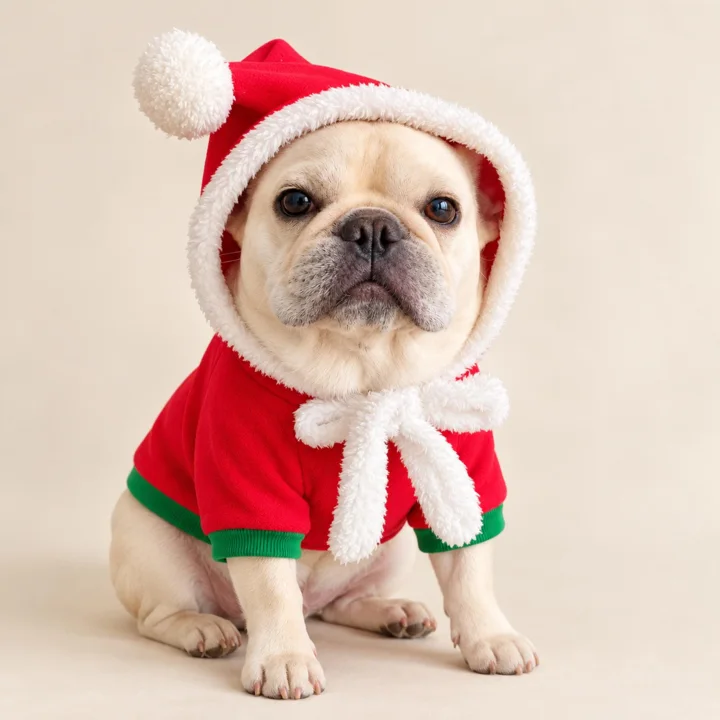


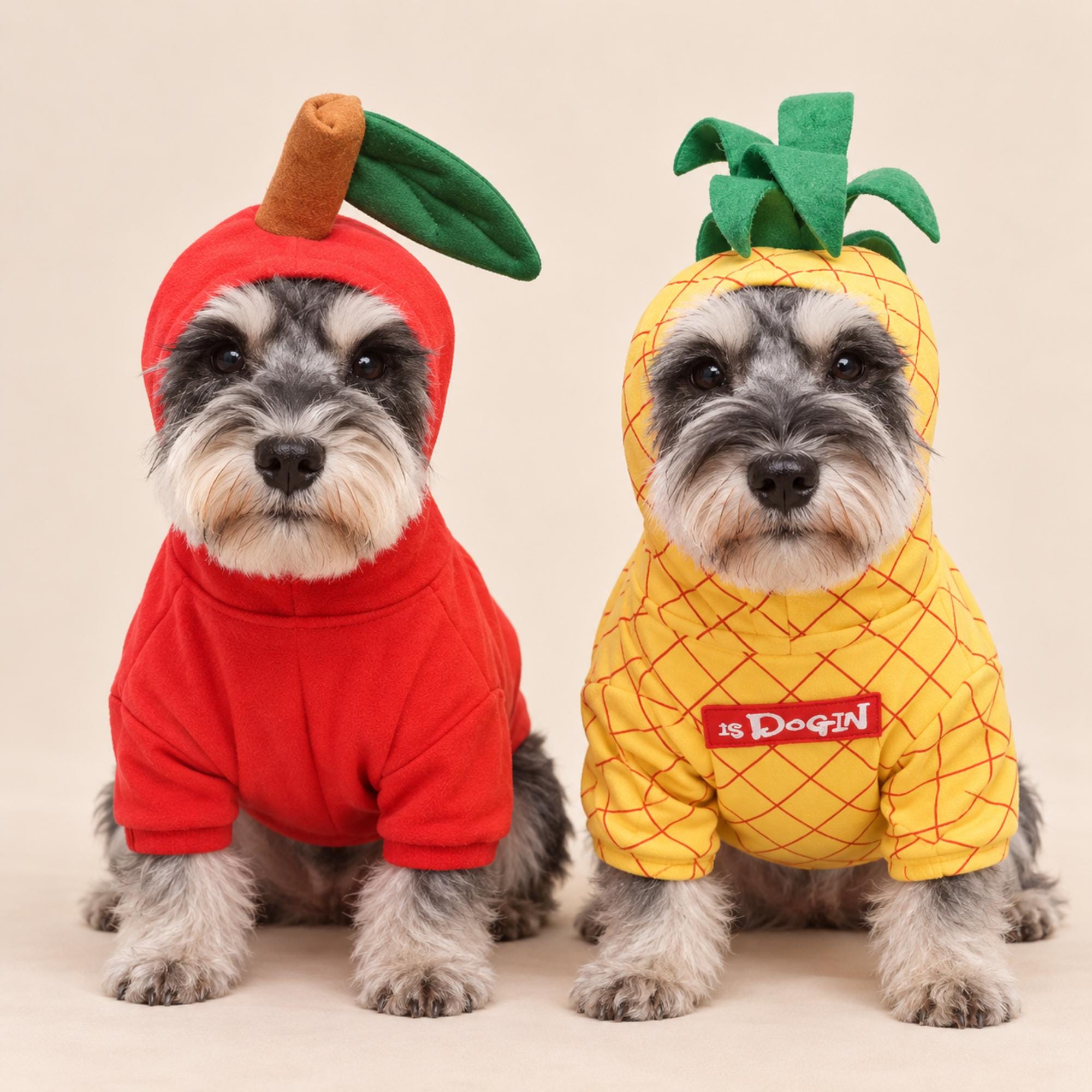
An indoor hoodie can be a playful layer for a quiet morning, a family photo, or a familiar routine at home. The right choice is less about making a pet look dressed and more about whether the garment suits the animal, the room, and the moment. A relaxed fit and an easy exit matter more than a clever design.
Start by treating clothing as optional. Some dogs accept a hoodie readily; others dislike sleeves, hoods, or the feeling of fabric around their bodies. Cats may reject apparel altogether. Watch your pet rather than relying on a product’s appearance, and be ready to remove the garment or leave it off.
Decide what the hoodie is for
A useful first question is what you want the hoodie to do in your daily routine. Perhaps you want a light-looking outfit for a supervised photo, a recognizable signal for a household activity, or simply a bit of personality during a calm afternoon. A specific purpose helps you avoid buying a costume-style design when you had a simple pullover in mind.
For ordinary indoor wear, favor a design that does not distract from resting, walking around, or interacting with people. Elaborate details may suit a short themed picture better than a long stretch of lounging. Even a plain-looking garment is not automatically suitable for every pet, so think of the hoodie as a brief, optional accessory rather than a requirement.
Measure before choosing a size
Use the sizing information supplied with the particular garment, and measure your pet as directed rather than estimating from breed or weight. Pets of the same breed can have different proportions, while a long-backed dog and a broad-chested dog may need different shapes. If the listing does not provide enough detail to choose confidently, ask the seller for clarification before ordering.
Check how the garment sits around the neck, chest, and body once it is on. It should not pull tightly, ride up, or limit a natural stride. Make sure your pet can sit, lie down, and turn without the fabric catching or shifting into an awkward position. Never force a tight garment over the head or limbs just to complete a fitting.
Look closely at the hood and sleeves
A hood can change how a pet sees, hears, and moves, even when it looks small in a product photo. Keep fabric clear of the eyes, nose, and mouth, and do not leave a hood covering the head if your pet resists it. Some animals may tolerate a body garment but object to anything near the ears or face; that response is a good reason to choose a hood-free option.
Sleeves deserve the same attention. They should not twist around a leg or restrict normal steps, and a pet should not be left to struggle if a paw gets caught. As a catalog example of a more decorative approach, the Apple Dog Costume is described as a hooded, long-sleeve fruit outfit for dogs and cats depending on measurements. Its costume styling may fit a photo better than everyday lounging.
Read your pet’s response, not just the label
Introduce a hoodie gradually in a familiar room. Let your pet inspect it, then try it briefly while offering calm attention. Look for relaxed movement and ordinary behavior rather than assuming that stillness means acceptance. A dog that freezes, repeatedly paws at the garment, hides, or tries to bite it may be uncomfortable or unsettled.
Cats can be especially clear when clothing is unwelcome: they may crouch, flatten their ears, move stiffly, or attempt to escape. Stop if you notice distress, and do not keep dressing a cat because a garment is marketed for cats. For either species, remove the outfit if movement or behavior changes in a concerning way. Some pets simply do best without clothes.
Keep indoor use supervised and brief
For a first try, stay nearby and watch how the garment behaves as your pet moves through familiar activities. Check that it does not snag on furniture, catch under a paw, or interfere with reaching a bed or water bowl. A hoodie that seems fine while a pet stands may shift when the animal curls up, stretches, or hops onto a favorite spot.
Remove clothing before leaving a pet unattended, especially if the animal is new to wearing it or the design has details that could catch. Do not use decorative clothing as a walking restraint or attach a leash to it. If your pet needs to go outdoors, use appropriate walking equipment separately and make sure clothing does not obstruct that equipment or the pet’s movement.
Match the design to the moment
Everyday style can be quiet: a simple color that suits your home, a familiar outfit for a family snapshot, or a seasonal look worn briefly for a visit. Consider the setting and your pet’s temperament. A lively design might make a fun portrait, while a pet that dislikes attention may be happier with no outfit and a photo taken during an ordinary routine.
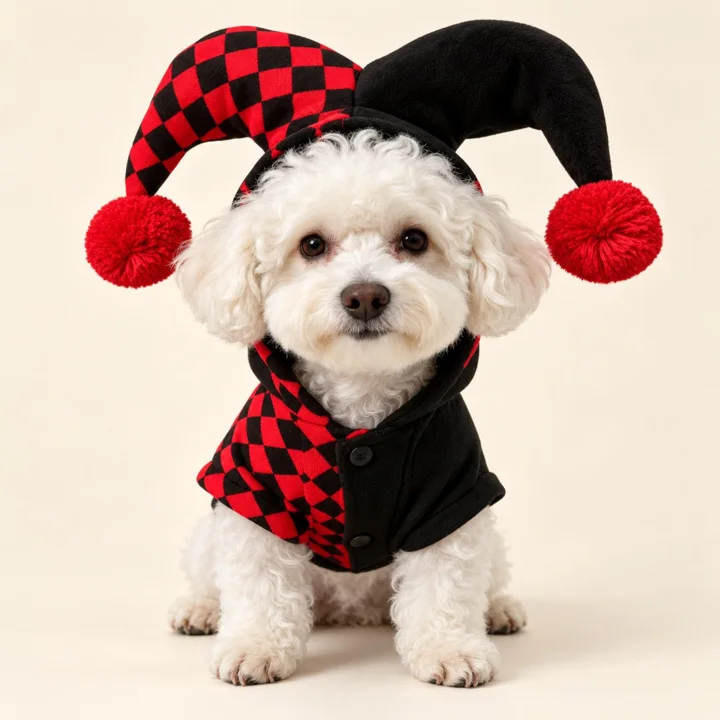
Paw Dazzle’s catalog examples show how different a themed look can be from a basic hoodie. The red-and-black Jester costume has curved hood points, pom-poms, and a pointed hem, while the Apple costume has fruit details. Both are described as costumes, not plain everyday pullovers. A knitted pet hat is another distinct accessory, and should not be treated as a substitute for a hoodie.
Consider the room and the routine
Indoor conditions vary from a cool, quiet room to a sunny spot near a window or an active kitchen. Choose clothing only when it suits the actual setting, and check your pet while it is wearing the garment. Do not assume a hoodie regulates body temperature or protects an animal from heat. If your pet seems too warm, restless, or eager to get out of the clothing, take it off.
Think about the practical rhythm of the day, too. A garment may be manageable during a short, supervised visit but inconvenient during meals, play, or a trip to the litter box. Keep it away from situations where it could interfere with normal behavior. The goal is to fit clothing around the pet’s routine—not to reshape the routine around a look.
Check the listing and plan for care
Before buying, read the description for the specific item and variation. Confirm whether it is sold as a hoodie, costume, or separate accessory, and check the sizing guidance and available style options. Product photographs can make details look smaller or simpler than they are. If a feature or fit question is important, get confirmation rather than guessing from an image.
Do not assume that a garment is machine washable, waterproof, or made from a particular material unless the listing says so. Follow any care directions provided for that item, and avoid using a garment that is damaged or has become difficult to fit properly. If choosing a personalized option, confirm the personalization details before placing an order; do not rely on assumptions about what can be added.
A thoughtful next step
A good indoor hoodie is one your pet can move in freely and tolerate without signs of stress—and plenty of pets prefer not to wear one. Check the fit, keep the face and movement unobstructed, supervise each use, and remove the garment at the first sign of discomfort. Choose the outfit for the occasion, not because your pet needs to be dressed.
Explore our Apparel & Costumes collection, check measuring and fit guidance, or ask us about a product detail before choosing.
Pieces mentioned in this guide
These are catalog examples, not a promise of fit or availability. Read each listing and confirm the details before ordering.