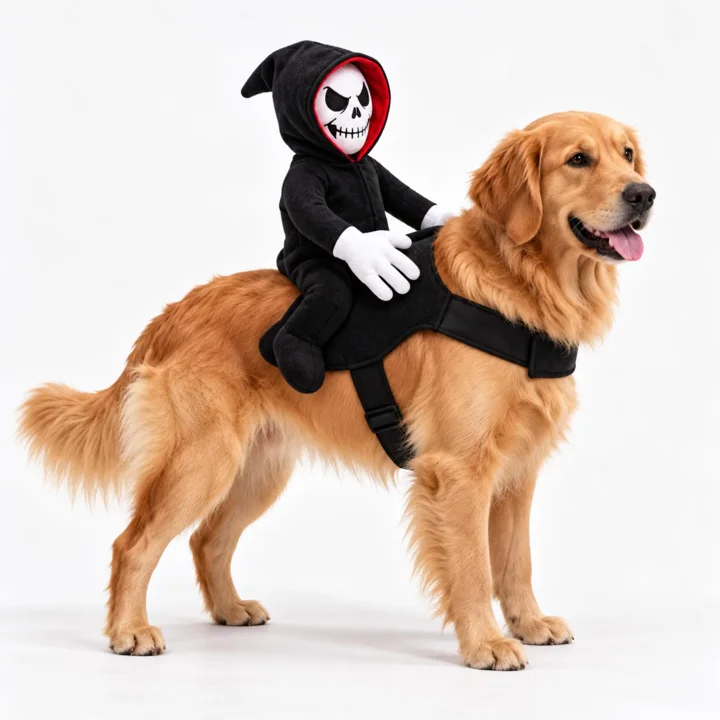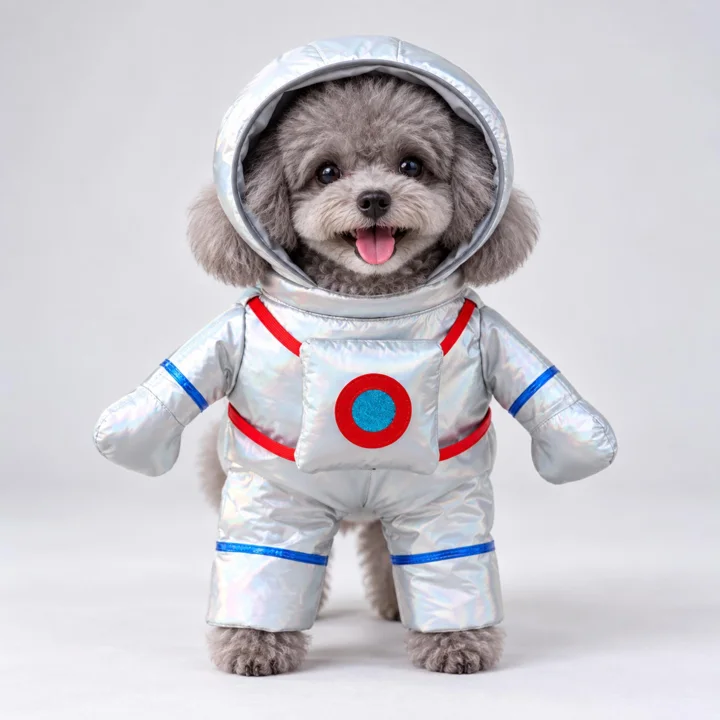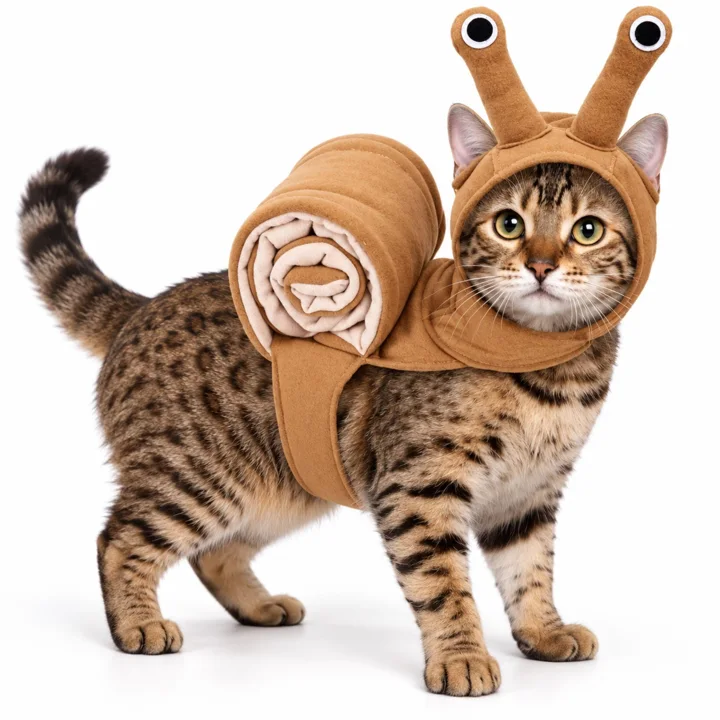


A coordinated Halloween look does not require matching costumes from head to paw. A shared color, a familiar storybook theme, or one repeated detail can bring a family photo together while letting each person—and pet—wear something that suits them. The best plan starts with your pet’s habits and tolerance, then builds the human outfits around what your companion can comfortably wear.
Think of pet clothing as optional, not as the price of joining the celebration. Some dogs take to a costume, while some cats or dogs prefer a small decorative accent or no outfit at all. Keep the theme flexible, plan a backup look, and treat any signs of discomfort as a reason to stop and change course.
Choose a theme that works without a full costume
Start with a theme broad enough to include different levels of dress-up. A woodland scene can pair a family’s earthy colors with a pet’s simple animal-inspired look; a classic Halloween palette can connect black, orange, and purple outfits without assigning everyone a character. This approach is useful when one family member wants a detailed costume and another prefers everyday clothes. The shared idea, rather than identical garments, makes the group look intentional.
Consider the setting before settling on a concept. For a quick front-porch photo, coordinated colors may be plenty. A neighborhood event or indoor party might inspire a more elaborate human costume, while your pet wears only a small themed accessory—or stays out of costume. Choose a plan that still makes sense if the pet’s outfit comes off. You will avoid last-minute pressure and have a practical option for the whole family.
Build the palette around your pet’s look
A limited palette is an easy way to coordinate without buying a matching set. Pick two or three colors, then repeat them across clothing, hats, makeup, or props. For example, a family dressed in purple and orange can echo those shades in a pet accessory or photo backdrop. You can also work with a pet’s natural coloring: a gray cat or dog may suit a moonlit palette, while a brown coat can fit an autumn woodland theme.
Check how the colors read together in the lighting you expect to use. A dark outfit against a dark background can hide details in evening photos, while tiny decorative accents may disappear from a group shot. Lay out the family’s clothing beside the pet’s planned look and take a quick test picture. Adjust one contrasting color or add a simple prop if needed; there is no need to make the pet wear extra pieces just to fill a gap.
Match the idea, not every costume detail
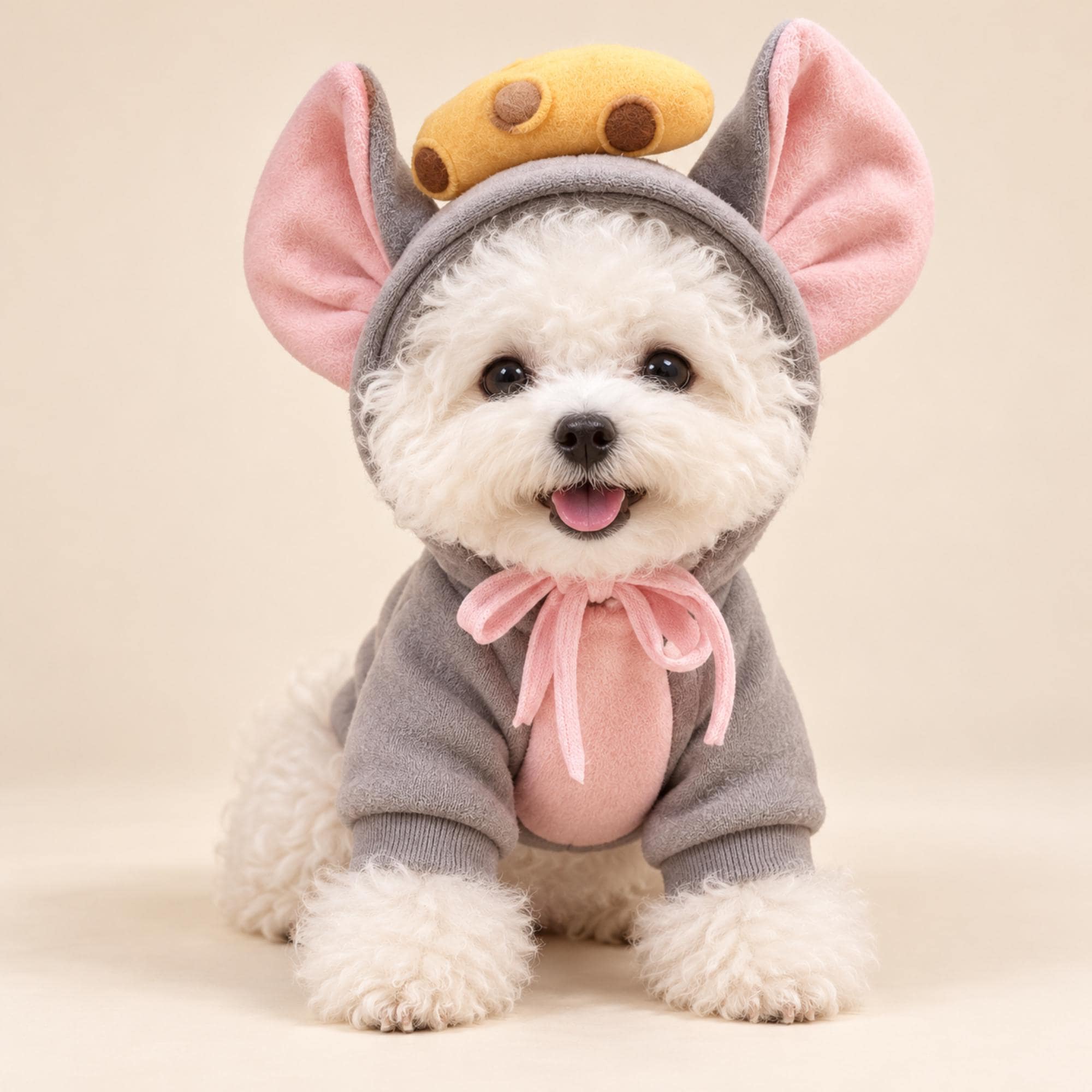
A shared character or visual motif can connect outfits without forcing a pet into a complicated costume. If the family chooses a mouse-and-cheese theme, for instance, people might wear gray, pink, or yellow details while a pet wears a mouse-inspired outfit. The Mouse Pet Costume, Cheese Hooded Outfit is a catalog example for cats and dogs, with oversized ears and a cheese decoration. Check its size chart and measure neck, chest, and back length before ordering.
Other themes can be adapted just as simply: storybook characters can share a color, a family of ghosts can use different levels of costume detail, or a group can dress as a night sky with stars and dark tones. Keep your pet’s movement and visibility in mind when deciding what to echo. If a hood, sleeves, or other clothing seems bothersome, leave it off. A coordinated photo can still work with the pet beside the group.
Choose pet clothing with fit and movement in mind
Costume appearance is only one part of the decision. Before ordering, use the product’s stated sizing guidance and measure your pet rather than estimating from breed or weight. The mouse costume listing asks shoppers to check neck circumference, chest circumference, and back length. Compare those measurements with the available size information, and avoid choosing an outfit that looks restrictive or could interfere with normal movement.
Introduce clothing calmly in a familiar room, away from the noise and bustle of Halloween. Let your pet investigate it, then try it briefly while watching how they walk, sit, and turn. Remove the outfit if your pet freezes, struggles, repeatedly tries to get it off, or otherwise seems uncomfortable. Keep pets supervised while dressed, and do not leave costume pieces on when no one can watch. If in doubt, choose no outfit.
Use decorative neckwear as an accent, not a leash
A decorative collar-style accessory can offer a festive option for pets that do not tolerate full-body clothing. The Ghost Crochet Halloween Pet Collar is described as finished Halloween neckwear with a ghost and pumpkin detail, intended to create a seasonal look without a full costume. It can complement a family’s orange, purple, or other Halloween colors for a portrait. Check the product’s fit guidance and your pet’s response before using it.
Decorative neckwear is not walking equipment. Do not attach a leash to a costume collar or assume an accessory has a breakaway feature or a particular safety rating unless its description confirms that. Supervise your pet while wearing it, and remove it if it catches, shifts, or appears uncomfortable. For a walk, use appropriate walking equipment separately and keep the decorative piece out of that role; at home, a photo without neckwear is always an option.
Make a statement look optional and brief
Some families enjoy a dramatic, vintage-inspired Halloween portrait. The Gothic Victorian Pet Collar, Lace Bow Choker is a catalog example described with layered bows, lace, a heart centerpiece, and draped decorative details. Its listing highlights photos and special occasions, making it a possible styling accent for a family choosing a gothic or Victorian theme. Pair it with dark clothing or burgundy and purple details, rather than adding several competing accessories.
An ornate accessory may not suit every pet, especially one sensitive to items around the neck or face. Let your pet’s tolerance set the limit: try a brief supervised session, keep the area clear of dangling decorations, and remove the piece if your pet reacts negatively. It is also fine to photograph the family in costume while the pet rests nearby without an accessory. No portrait is worth making an animal endure a look they dislike.
Plan photos around your pet’s comfort
Choose a quiet place where your pet can settle, and take pictures before the busiest part of the evening. Keep the setup short, with familiar people nearby and treats or a favorite toy available if appropriate for your pet. Avoid crowded doorways, open flames, and props that could startle or tempt a pet to chew. If your companion loses interest, end the session rather than trying to coax one more pose.
Take a few pictures with the costume and a few without it, so you have choices later. A pet looking relaxed beside family members often makes a stronger photograph than a perfectly matched outfit worn tensely. Use the same backdrop, color palette, or prop to connect the images. For a cat that prefers a quiet room, photograph them there and take the group picture separately; participation does not have to mean standing in a crowded scene.
Prepare for trick-or-treat traffic and costume changes
Halloween brings open doors, visitors, noise, and unfamiliar activity. Decide ahead of time whether your pet will stay in a quiet room, remain behind a secure barrier, or join a supervised gathering. Keep the costume plan separate from the household safety plan: an outfit should never make it harder to monitor your pet or respond quickly. Make sure everyone in the family knows where the pet will be during doorbell rushes and when clothing should come off.
Bring a familiar blanket, bed, or other routine item to a party or photo location if you take your pet along. Watch for changes in posture or behavior, and give them a calm break away from guests when needed. Keep costume pieces and small props out of reach when they are not being used. If the environment becomes too busy, end the outing or move your pet to a quieter space; a simple change of plan is better than pressing on.
A thoughtful next step
Before Halloween, choose a theme that still works if your pet wears nothing, check the fit and description of any clothing or accessory, and arrange a quiet place for breaks. Try a new look briefly under supervision, take it off at the first sign of discomfort, and keep decorative neckwear separate from walking gear. A shared palette, backdrop, or prop can coordinate the family just as well as matching costumes—and lets your pet take part on their own terms.
Explore our Apparel & Costumes collection, check measuring and fit guidance, or ask us about a product detail before choosing.
Pieces mentioned in this guide
These are catalog examples, not a promise of fit or availability. Read each listing and confirm the details before ordering.