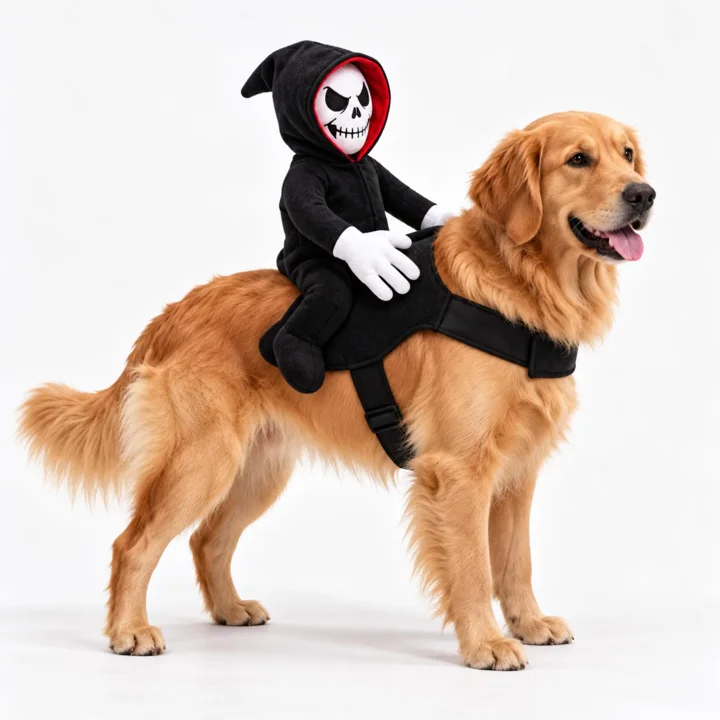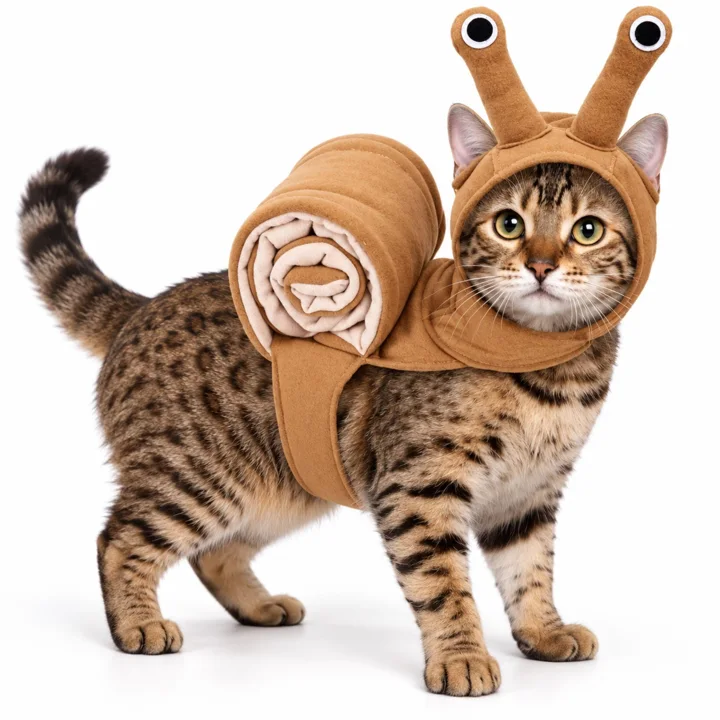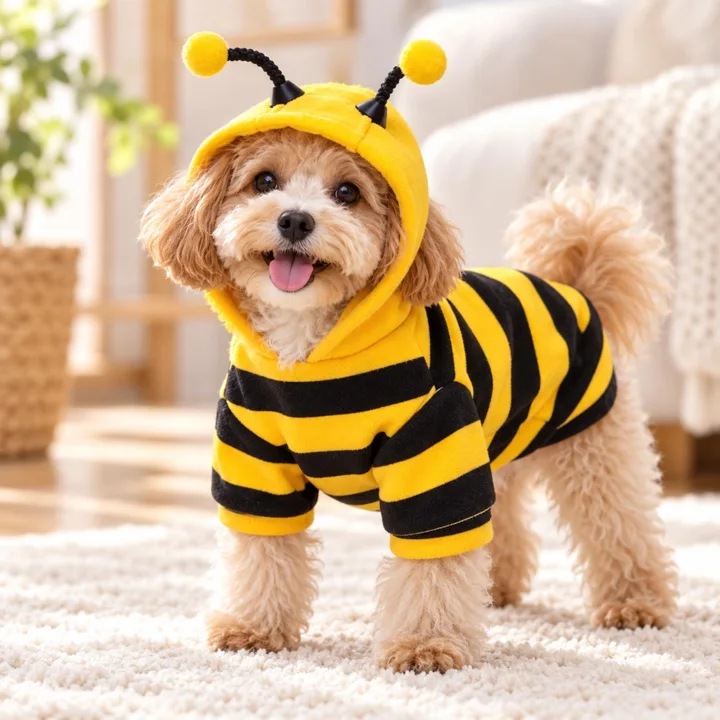


A Halloween outfit can make a sweet photo or add a little fun to a neighborhood gathering, but the costume should suit the pet wearing it. Comfort depends on more than a soft-looking fabric: fit, movement, noise, visibility, weather, and temperament all matter. A pet that tolerates a brief photo session may not enjoy wearing the same outfit for a full evening.
Plan around your pet’s ordinary behavior rather than the picture you hope to take. Some dogs are content in a simple accessory, while others prefer no costume at all. Cats may reject apparel even after a careful introduction. Choosing a low-fuss look, checking fit, and being ready to stop can make seasonal dress-up more considerate and enjoyable.
Start with your pet’s personality
Think about how your pet responds to everyday handling before choosing a costume. Does your dog accept a harness being put on, or does a collar decoration already prompt pawing? Does your cat stay relaxed when something touches the head or back? Those familiar reactions offer useful clues. A costume is optional; if dressing up tends to cause stress, a themed photo setting or a festive toy can mark the occasion without clothing.
Consider the event, too. A pet who is comfortable posing at home may feel differently amid doorbells, children, music, and other animals. For a busy gathering, choose a simple look that can be removed quickly, or skip the outfit and let the pet take part on their own terms. Plan a quiet retreat where the animal can rest away from guests, and never make wearing a costume a condition of joining the festivities.
Choose a low-fuss costume style
A small headpiece or a full-body costume creates very different demands. The Mushroom Pet Hat is a headpiece-only option with a face-framing design, so it does not include body clothing. That simpler silhouette may suit a pet that dislikes garments around the torso, but it still needs to be introduced gradually. Check that it stays clear of the eyes, nose, ears, and mouth, and remove it if your pet tries to pull it off.
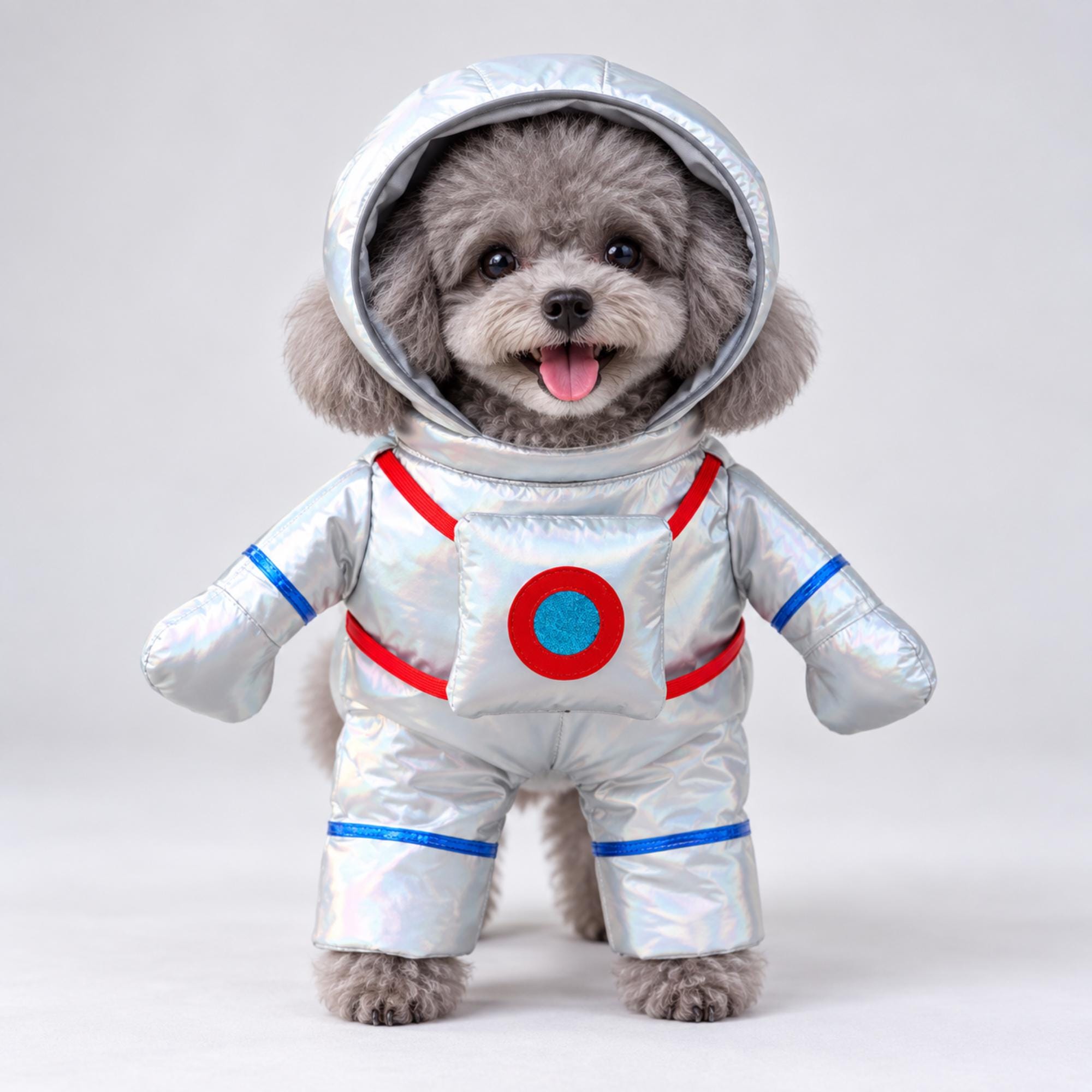
A more elaborate design, such as the Silver Astronaut Dog Costume, has a four-leg costume silhouette, padded arms and legs, and a helmet-style hood. Those details create a complete look but cover more of the body than a hat does. The Frog Pet Hoodie offers another middle ground, with short front sleeves and a hood. Compare the design with your pet’s tolerance for clothing rather than choosing solely by how complete the costume appears.
Measure before ordering
Use the product’s size chart and measurement instructions before selecting a size. For the Frog Pet Hoodie, the listing advises checking neck circumference, chest circumference, and back length. Measure your pet while they are standing naturally, and avoid pulling a tape tightly against the body. If your measurements fall between listed sizes or the fit details are unclear, seek clarification before ordering rather than guessing from breed, weight, or a size used by another brand.
Check how the finished fit sits at the neck, chest, and legs, not just whether the costume can be put on. Fabric or trim should not press into the throat, restrict a step, drag on the ground, or create an opening that lets the pet become tangled. A costume that looks slightly loose in a photo may still be awkward during movement; supervise the first try-on and remove it if fit or behavior seems concerning.
Check movement and visibility
Before taking pictures or heading out, let your pet walk, turn, sit, and lie down in the outfit. Watch for shortened steps, a stiff posture, repeated shaking, or trouble settling. Make sure the costume does not cover the eyes or interfere with breathing, hearing, or the normal movement of the head and limbs. A pet should never have to work around an outfit to do ordinary things such as drink, rest, or move away.
Hoods, raised decorations, and padded pieces deserve an especially close check. The astronaut costume’s helmet-style hood and padded limbs, for example, are part of its space-suit look, while the frog hoodie has raised eyes on its hood. Confirm that your pet’s own eyes and nose remain unobstructed and that the added shapes do not catch on furniture or another animal. Supervise whenever the costume is on, and remove it before leaving the pet alone.
Introduce the outfit in short steps
Let your pet inspect the costume before trying to put it on. Place it nearby, allow sniffing, and keep your voice and movements calm. If the animal remains relaxed, try a brief fitting in a familiar room, then take the outfit off. A treat or play break can help keep the moment pleasant, but it should not be used to distract a pet from clear signs of distress or force them to endure the costume.
Build up only if your pet appears comfortable at each stage. Look for relaxed movement and ordinary interest in the surroundings, rather than assuming that stillness means acceptance. Freezing, hiding, repeated pawing, trying to escape, or unusual agitation are reasons to stop and remove the outfit. Cats in particular may refuse clothing or headpieces; respect that response, and choose no outfit if the cat remains uncomfortable.
Keep the setting and timing in mind
A costume that works for a short indoor portrait may be a poor choice for a long evening. Consider the room temperature, activity level, and length of wear, without assuming an outfit will keep a pet comfortable in particular conditions. Keep sessions brief and give the animal breaks without clothing. If your pet seems warm, unsettled, or eager to get away, remove the costume and offer a quiet place to rest.
For trick-or-treat time, think about the practical demands of the doorway and sidewalk. A costume can snag as people move around, and a hood or bulky detail may distract a dog in a busy setting. Keep the pet supervised and use appropriate walking equipment separately. Decorative neckwear and costume parts are not walking restraints; attach a leash only to equipment intended for that purpose, never to a costume feature.
Make photos a brief, low-pressure activity
Set up the camera and background before dressing your pet so the costume time is short. Choose a familiar, uncluttered spot with enough room for the animal to turn or step away. Take a few pictures, pause, and check your pet’s response instead of repeatedly repositioning them. A natural pose often makes a better keepsake than a forced expression, and the costume can come off as soon as the picture is done.
If your pet dislikes wearing anything, make the seasonal scene do the work. A pumpkin, autumn-colored blanket, or simple backdrop can suggest Halloween without putting clothing on the animal. Keep decorations out of reach when unsupervised, and avoid props that block movement or invite chewing. The goal is a pleasant record of the season, not a perfectly coordinated image that requires the pet to stay in an unwanted outfit.
Plan for removal and supervision
Before the event, practice taking the costume off as well as putting it on. Check whether you can remove it calmly without pulling at fur, ears, or limbs, and keep the pet in a secure, familiar space during the change. If a costume becomes twisted or catches, stop and free the animal gently. Never leave a dressed pet unattended, even if the outfit seemed fine during a short supervised fitting.
Inspect the outfit each time you use it for loose decorations, damaged seams, or parts that could be chewed or swallowed. Do not assume an item has a particular fastening or care method unless its product information says so. After the costume comes off, check your pet’s skin and coat for irritation or tangled fur. If anything seems painful or persists, leave the outfit off and contact a veterinarian for guidance.
A thoughtful next step
A comfortable Halloween plan starts with your pet’s preferences, then weighs fit, movement, visibility, setting, and how quickly the outfit can come off. Choose the simplest look your pet accepts, introduce it gradually, and supervise every wear. If your pet shows discomfort—or simply does not want to dress up—skip the costume. A relaxed pet and a brief, low-pressure celebration are more important than completing a look.
Explore our Apparel & Costumes collection, check measuring and fit guidance, or ask us about a product detail before choosing.
Pieces mentioned in this guide
These are catalog examples, not a promise of fit or availability. Read each listing and confirm the details before ordering.