

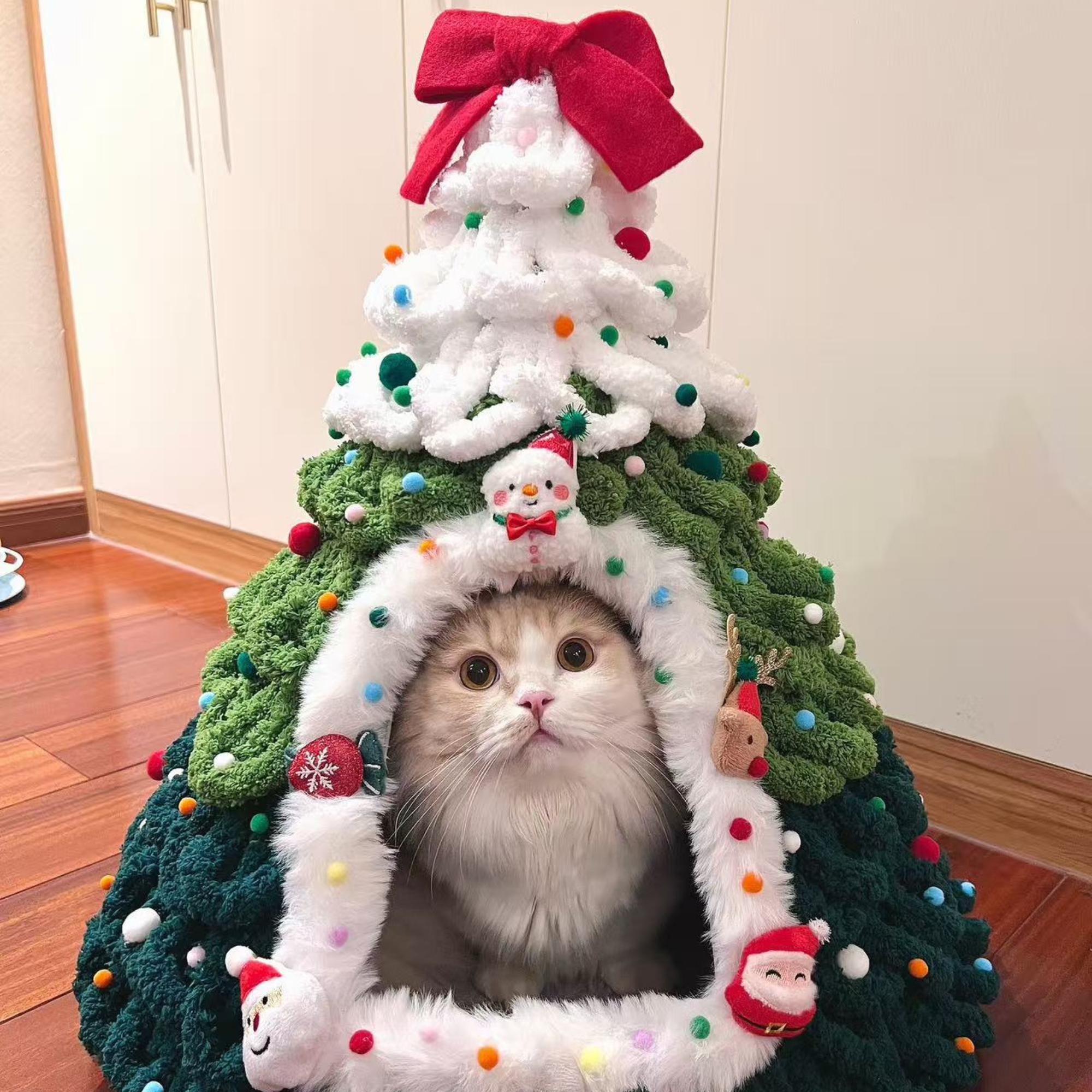
A product photo can show a polished pet bed, hideaway, or accessory without making clear whether that exact finished item is what arrives. Some listings offer a ready-to-use product; others sell a kit containing materials for a do-it-yourself project. The difference affects what you receive, how much work remains, and whether the item suits your timeline.
Before ordering, read the product title, description, and notes about what is included. A craft kit can be a satisfying project for someone who wants to make something, while a finished product is generally the more direct choice when you need an item ready to use. Knowing which one you are considering helps prevent an avoidable mismatch.
Start with what the order actually contains
A finished pet product is sold as the completed item described in its listing. A craft kit, by contrast, supplies materials for the buyer to assemble or make a project. It is not simply a finished product packed in pieces for convenience: the buyer’s time and work are part of the plan. Look for explicit wording such as “DIY kit,” “materials,” or “finished product” before treating a styled product image as a promise about what will arrive.
The distinction matters for more than beds. A picture of a decorated collar accessory, toy, or seasonal display might illustrate a project’s intended appearance, rather than the contents of a ready-made purchase. Check whether the listing names components, tools, instructions, or a completed item. If an essential detail remains unclear, ask the seller before ordering rather than relying on assumptions drawn from the photograph.
Read photos and descriptions together
Lifestyle photographs are useful for showing a project’s look and possible setting, but they can include details that are not included in the order. Decorations, props, a pet, or a fully assembled example may be there to demonstrate the finished design. The product description is where to confirm what the seller says is included. Pay particular attention to any note that the pictured completed project is shown for reference and is not shipped.
The DIY Christmas Tree Cat Cave Kit is a clear example. Its listing describes a physical craft kit with plush yarn, colorful Christmas decorations, a cat cave liner, and the main materials needed to create the tree-shaped cave shown in finished-project photos. It also expressly says the listing is for the DIY material kit, not the completed cave. A shopper seeking a ready-made hideaway should not mistake the example image for the order contents.
Compare time, effort, and your reason for buying
A finished product makes sense when your priority is having the listed item available without taking on a making project. That can be useful when you are shopping for a particular occasion, replacing something, or simply do not want another task on your calendar. Still, read the description for the actual product details; “finished” does not answer every question about size, materials, care, or intended use.
A kit is better suited to someone who actively wants the process as well as the result. Consider whether you have the time, patience, workspace, and interest to follow through. A seasonal project may be enjoyable well before a holiday, but less appealing if you need a hideaway immediately. Be honest about the making step: a kit is not a shortcut to an already assembled product, even when the finished example looks simple.
Check the kit contents and any missing pieces
Before buying a kit, make a short checklist from its description. Note the named materials and components, then look for mention of instructions, tools, or other supplies you may need to provide yourself. Do not assume a tool is included merely because the project seems to require one. Likewise, do not infer that every decorative detail in a photo is part of the kit unless the listing identifies it.
For the Christmas tree cat cave kit, the description names plush yarn, colorful Christmas decorations, a liner, and the main materials for making the design. It does not establish that every possible tool is included, so a shopper should check the full listing or ask if that point affects the decision. This simple review can reveal whether the project is ready for your setup or requires preparation before you begin.
Think about the pet, not just the finished look
A craft project’s appearance is only one part of deciding whether its result belongs in your home. Think about your pet’s habits and whether the intended item suits the way they rest, play, or explore. For a cat cave, consider whether your cat tends to use enclosed spaces. No listing image can promise that an individual pet will accept a new item, whether it is handmade or purchased ready-made.
When a project is complete, inspect it before introducing it to your pet. Look for loose decorations, unsecured pieces, or anything that could obstruct an opening or become an unwanted play object. Follow the product’s stated use and supervise as appropriate. If your pet avoids the item or seems uneasy around it, give them space and do not force interaction. The same thoughtful introduction applies to a finished product.
Account for fit, care, and practical details
Whether buying a kit or a finished product, verify any details that matter to your household before checkout. For a pet bed or hideaway, look for stated dimensions and consider the space where it will go. For apparel or accessories, consult the listed fit information and intended use. Do not estimate measurements from a photograph or assume a craft project will match a particular space without checking the available product details.
Care instructions deserve the same attention. Do not assume a finished item or handmade result can be machine washed, spot cleaned, or treated in a particular way unless the listing says so. A kit’s materials may also affect how you plan to use and maintain the finished project, but the product description—not guesswork—should guide that decision. If care or fit is essential and the listing does not answer your question, ask before purchasing.
Set expectations for the making process
A kit’s description may show the intended result, but buyers should not treat a photograph as a guarantee that their own project will look identical. The finished appearance depends on completing the work and following the project’s directions. Read any available guidance about skill level, steps, or time before ordering. If those details are not provided, ask what to expect rather than assuming the project is beginner-friendly or quick.
It also helps to decide where and when you will work. Keep project materials organized and away from pets when they are not being used. Small decorations or loose supplies can attract curious noses and paws. Set aside a suitable workspace, and pause if you cannot supervise your pet around the materials. Planning the making stage makes a kit easier to approach and keeps the project from becoming an unexpected household disruption.
Choose using a simple pre-order checklist
Before placing an order, answer four questions: Is this a finished item or a kit? What exactly is included? What work or extra supplies may be needed? Does the described result suit my pet and the space where I plan to use it? If you cannot answer one of these from the listing, note it and contact the seller. This quick review is more reliable than choosing based only on an attractive photo or product title.
Then match the choice to your goal. Pick a finished product when you want the described item rather than a making activity. Pick a kit when you want to work on the project and understand that the completed object is not what ships. If you are shopping for a gift, consider whether the recipient enjoys crafts and has time to make one. Clear expectations help the purchase fit both the person buying and the pet who may use the result.
A thoughtful next step
The key difference is straightforward: a finished pet product arrives as the completed item described, while a craft kit provides materials for the buyer to make a project. Confirm the contents, any remaining work, and the details that matter for your pet before ordering. When the listing’s wording or photos leave room for doubt, ask first. A few minutes of careful checking can help you choose the experience you actually want—and avoid expecting a finished product from a material kit.
Explore our DIY & Craft Kits collection, check measuring and fit guidance, or ask us about a product detail before choosing.
Pieces mentioned in this guide
These are catalog examples, not a promise of fit or availability. Read each listing and confirm the details before ordering.