

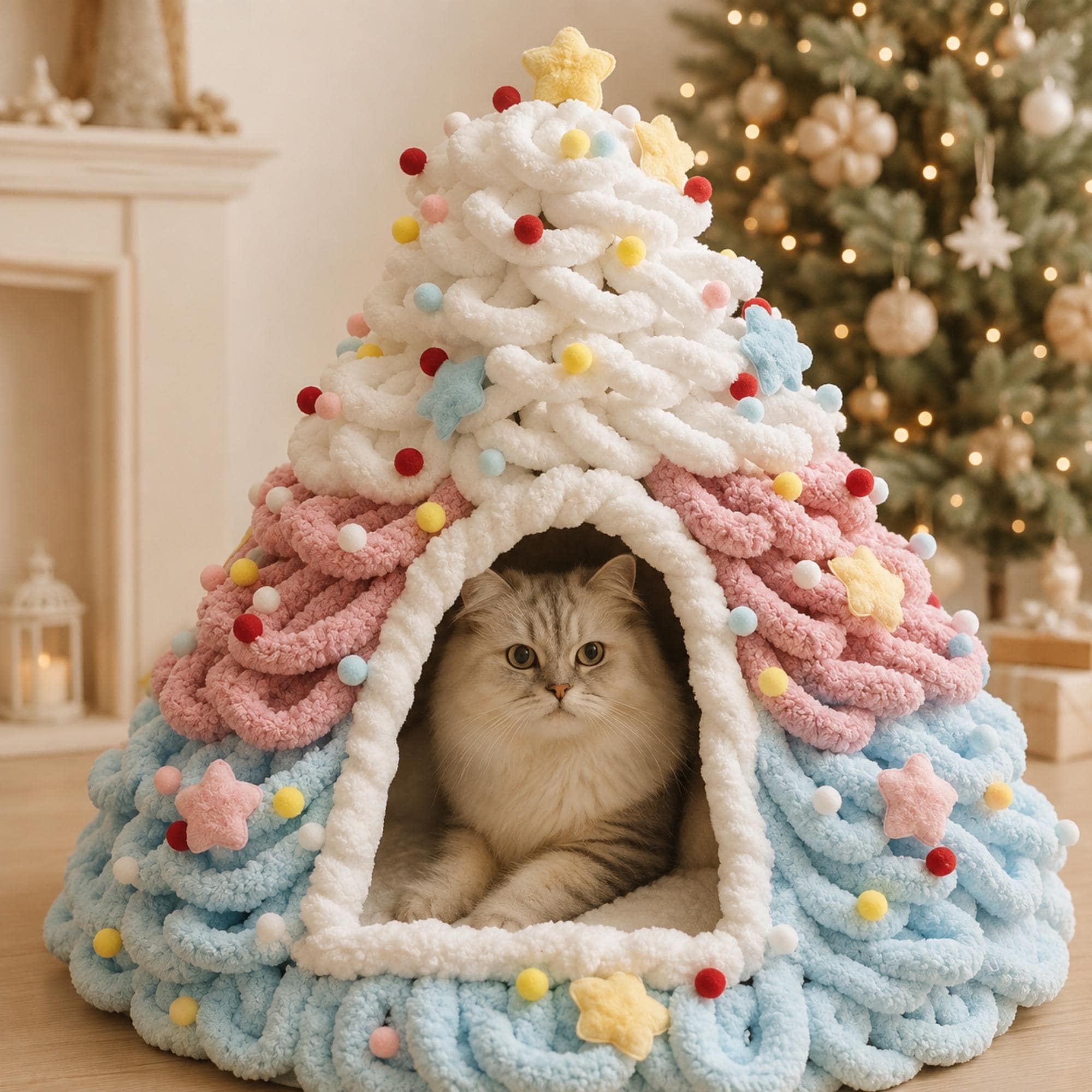
A DIY cat cave kit is a project to make, not necessarily a ready-to-use bed arriving at your door. Listings can show a fully assembled cave while the package contains only some of the materials needed to create it. Before buying, check exactly what the seller says is included, what you must supply yourself, and whether instructions or tools come with the kit.
That distinction matters when you are shopping for a particular cat, planning a gift, or setting aside time for a craft project. A clear listing should help you understand the finished design and the work involved without requiring you to guess. Here is how to read the details and decide whether a kit fits your plans.
Start by identifying what the listing actually sells
First, look for the product type: physical kit, finished cat cave, or digital instructions. Photos may show a completed project for inspiration, but the image alone does not tell you what ships. Look for direct language such as “DIY material kit” and read any notice explaining that the finished cave is not included. This simple check prevents a common mismatch between the craft project a shopper expects and the item actually being sold.
For example, the DIY Pastel Christmas Tree Cat Cave Kit is described as a physical DIY material kit. Its completed cave is not shipped, and the listing says it is not a digital crochet pattern or PDF download. Those details establish the basic purchase: materials for making the project yourself. They do not, by themselves, itemize every component, tool, or instruction, so continue reading the listing rather than filling in those blanks.
Look for a component-by-component contents list
A useful contents list names the supplies in the package and, where relevant, their quantities or colors. If a listing only says “craft materials,” treat that as a general description, not a complete inventory. Check whether yarn, decorative pieces, a base, or other components are specifically named. If a particular item is essential to your plan but the listing does not confirm it, ask the seller before ordering rather than assuming it comes in the box.
The Christmas tree kit description identifies a finished look with fluffy white, dusty pink, and baby blue layers, plus colorful pom-poms and pastel stars. That tells you what the completed project is intended to look like; it is not a detailed packing list. Do not infer exact yarn amounts, pom-pom counts, or extra supplies from the photograph. When precise contents matter, seek confirmation of those details before placing the order.
Check whether instructions and tools are included
A kit can provide materials without providing every tool or teaching aid needed to use them. Search the listing for explicit statements about written instructions, a pattern, video guidance, or tools. If none are mentioned, do not assume they are included. Also check whether the project calls for a particular technique or skill level. That information helps you judge whether you can begin right away or need to arrange additional supplies and guidance.
Product format deserves special attention. The pastel Christmas tree example is explicitly a physical materials kit, not a downloadable pattern. That rules out one possible misunderstanding but does not confirm that a printed pattern or tools are included. If you need step-by-step directions, ask what form they take and whether they are part of the purchase. A person buying this as a first craft project may need that answer before deciding.
Use the finished-project photos as design references
Photos are useful for understanding color, shape, decoration, and the general appearance of the finished cave. They can help you decide whether a seasonal design suits your home or whether the project looks manageable for your available space. But photos may also show staging, props, or a completed sample. Unless the description says an item is included, do not count it as part of the kit just because it appears beside the cave.
In the Christmas tree kit, the described finished project has layered pastel colors and decorative pom-poms and stars. Those features communicate the intended design, not necessarily the precise arrangement or number of pieces supplied. Consider whether you like the look enough to make the project, while keeping the product description in view. If you need the result to match a specific picture closely, ask what variations in materials or finished appearance to expect.
Consider the time, workspace, and skill involved
Making a cat cave takes time and a place to work, and a kit does not remove those practical requirements. Before ordering, consider when you can work without interruption, where you will keep materials between sessions, and whether the craft technique is familiar to you. If the listing gives an estimated project time or skill level, use it as a planning aid. If it does not, ask rather than relying on a guess based on a product photo.
A large, layered project may suit someone who enjoys hands-on decorating and can spread supplies out safely. It may be less convenient for a shopper seeking an immediate bed or a quick weekend activity. Think about who will do the work, too: a gift recipient may enjoy crafting, or may prefer a finished item. Confirming the recipient’s interest can make a kit a more thoughtful present and avoid surprising them with an unfinished project.
Match the finished cave to your cat’s habits
A finished cave is a new object for your cat to inspect, not a guaranteed favorite. Think about whether your cat likes enclosed spaces, prefers open beds, or tends to avoid unfamiliar items. The product description and photos can help you understand the design, but they cannot predict an individual cat’s response. If your cat is wary of new objects, introduce the completed cave gradually and let the cat approach or leave it freely.
Also consider where the cave will sit and whether its shape suits your household. A tucked-away resting spot may appeal to a cat that seeks privacy, while another cat may prefer a clear view of the room. Avoid assuming that a pictured size will fit your cat or a chosen spot; check for dimensions if they are provided, and ask if they are not. Never force a cat to use a new bed.
Ask about care and safe use before you commit
Care instructions are worth checking before you make a project that will be used by a pet. Look for the seller’s stated guidance on cleaning and maintenance, and do not assume a material can be washed or dried in a particular way. If care details are missing, ask. You may also want to know how the finished structure is expected to hold its shape and whether any decorative components need periodic inspection.
Once the cave is complete, check it for loose pieces, rough areas, or damage before offering it to your cat. Keep the cave in good condition and remove it from use if it becomes damaged. Supervise your cat’s first interactions, especially if the design includes small decorations that might be chewed or pulled. These practical checks do not promise a particular result; they help you make an informed choice and respond to what your own cat does.
Confirm unanswered details before placing an order
A short question can clarify a listing’s most important gaps. Ask for a full contents list, whether instructions or tools are supplied, any project requirements, and care guidance for the completed cave. If you are buying for a deadline, confirm the project scope early enough to leave time for making it. Keep your questions specific: “Are tools included?” is easier to answer clearly than “Does this have everything?”
Compare the seller’s reply with your actual needs. Someone who already owns the right tools may be comfortable purchasing a materials-only kit; a beginner may need more instruction. A shopper expecting a ready-made bed should choose a finished product instead. For the pastel Christmas tree kit, the confirmed facts are that it is a physical DIY material kit and the completed cave is not included. Ask about any other detail you need before deciding.
A thoughtful next step
Before checkout, verify that you are buying a kit rather than a finished cave, read the stated contents closely, and confirm any missing details about instructions, tools, dimensions, and care. Then consider whether you have the time and interest to make the project and whether its finished design may suit your cat. A little preparation makes it easier to choose a kit for the craft experience you want—not just the picture on the listing.
Explore our DIY & Craft Kits collection, check measuring and fit guidance, or ask us about a product detail before choosing.
Pieces mentioned in this guide
These are catalog examples, not a promise of fit or availability. Read each listing and confirm the details before ordering.