

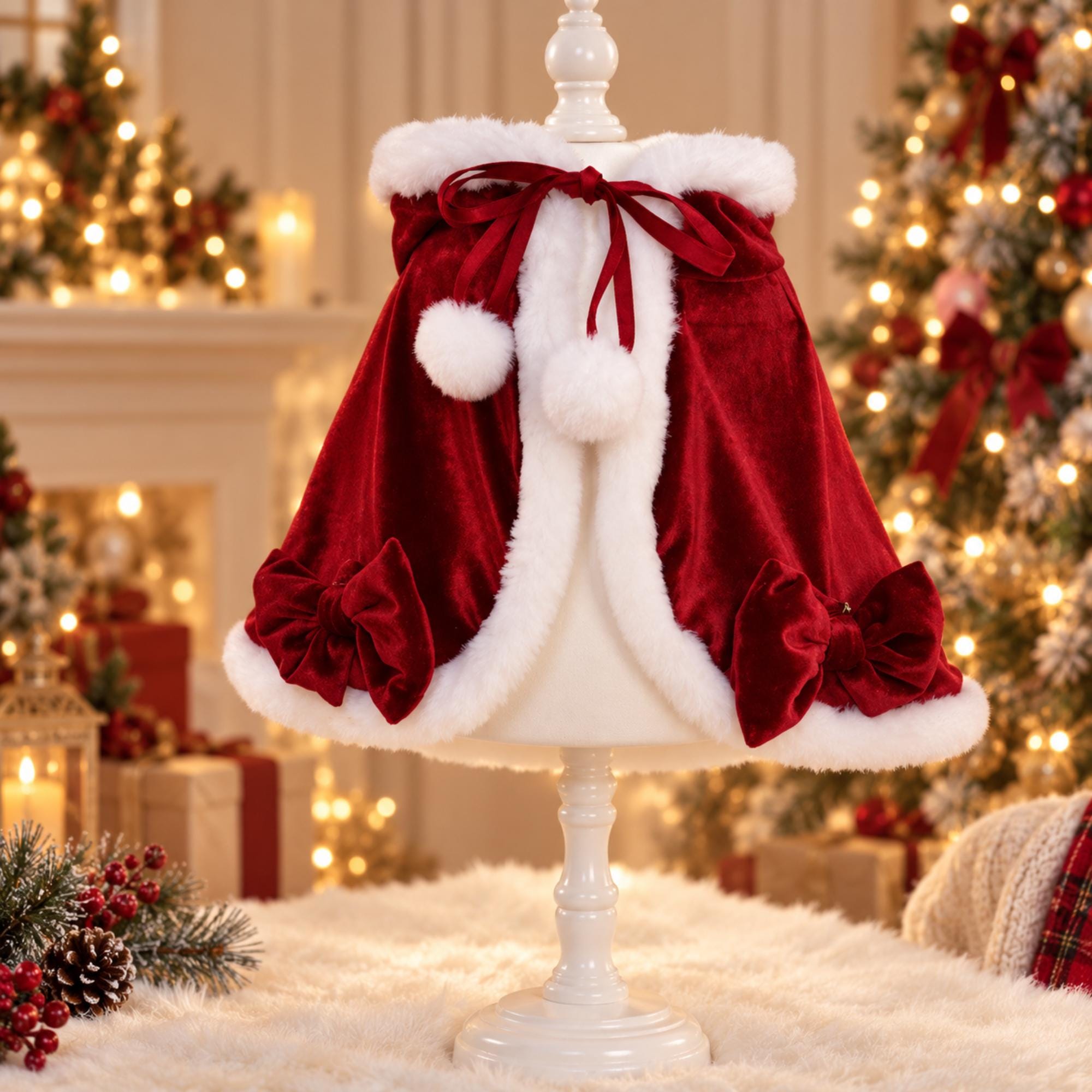
Holiday style does not need to involve a full costume. A single festive detail—a seasonal collar accessory or a small cape—can make a pet look ready for a family photo without turning the occasion into a wardrobe production. The best choice depends on your pet’s size, temperament, and tolerance for wearing something around the neck or shoulders.
Think of neckwear as decoration for a supervised moment, not equipment for a walk or a reason to keep dressing a reluctant pet. A little planning helps you choose a look that suits the setting, check the fit, and get the photo before your pet has had enough.
Start with your pet, not the holiday theme
Before choosing red velvet, bells, or a snowflake print, consider how your pet responds to anything worn near the neck. Some dogs are content with a brief accessory; others paw at it or freeze. Cats may dislike apparel altogether. If your pet has never worn festive clothing, introduce the idea at home on an ordinary day rather than making a crowded gathering the first test.
Notice body language throughout the trial. Repeated pawing, crouching, trying to hide, or difficulty moving are reasons to take the item off. Keep the experience short and calm, and offer a familiar activity afterward. Holiday pictures are optional; a relaxed pet without an accessory is a better choice than a dressed pet that is clearly uncomfortable.
Choose one clear festive detail
A simple holiday look usually works best when one item carries the theme. Red neckwear against a plain coat, for example, reads as seasonal without competing with a patterned blanket, bright wrapping paper, and a decorated tree. For a more understated result, coordinate the accessory with one color already in the room rather than trying to match every decoration.
A red Christmas pet cape is one catalog example of this approach. Its flowing cape silhouette and ribbon-tie neckline create a recognizable seasonal accent without the full look of a costume. The listing describes it for cats and small dogs depending on measurements. Check the product details and your pet’s measurements before ordering; do not assume that a similar-looking size will fit.
Check fit and placement before the event
An accessory should sit without pressing on the throat, restricting head movement, or interfering with breathing, eating, or drinking. Follow the product’s sizing guidance and assess how it rests on your individual pet. Look for shifting, twisting, or fabric that catches under a paw. If you cannot get a suitable fit, do not try to make it work by tightening a tie or adding improvised fasteners.
Try the item briefly while your pet is standing and moving naturally, with an adult close by. Confirm that the neck area remains unobstructed and that the pet can turn and lower their head. Decorative neckwear is not a leash attachment or walking restraint. Remove it before clipping on a lead, and do not rely on a decorative tie or accessory to control your pet.
Keep the rest of the outfit in proportion
If you want more than a neck accent, think about how each added piece changes the overall look and the wearing experience. A cape, hoodie, or costume is a different choice from neckwear, even when all are sold as holiday apparel. Avoid stacking pieces around the neck or face, where extra ties, trim, or accessories can make movement and supervision more difficult.
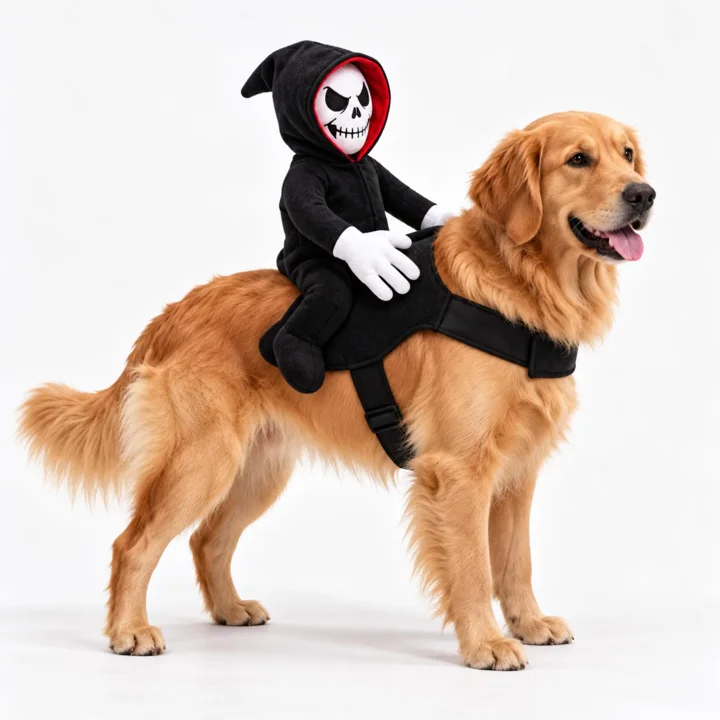
The catalog also includes a red-and-green Santa or elf hoodie and a more elaborate Santa-rider costume for medium and large dogs. These are examples of fuller seasonal outfits, not substitutes for neckwear. Choose only a style your pet can tolerate, check its specific product description, and resist adding decorative extras simply because they coordinate. A single well-chosen feature can be enough.
Plan a calm, short photo session
Set up the camera, choose the background, and gather anyone who needs to be in the picture before putting on the accessory. This keeps the wearing time brief. A familiar room with a clear patch of floor can work better than a busy party entrance. Let the pet approach the setting voluntarily, and take a few relaxed frames rather than repeatedly repositioning them.
Use ordinary rewards or a favorite toy to invite attention, but do not hold a pet in place for a shot. If the accessory shifts, the pet becomes distracted, or they try to leave, pause and remove it. A candid picture of a pet beside the holiday decorations can be just as personal as a posed portrait—and does not require an outfit.
Dress for the gathering, not just the picture
A quiet photo at home and a crowded family gathering present different challenges. Guests may want to touch or admire a dressed pet, while doors open and close and food appears at pet height. If you use festive neckwear around visitors, supervise closely and ask guests not to tug, adjust, or handle the accessory. Give your pet a place to retreat where people will leave them alone.
For a short portrait, putting the accessory on just before taking pictures may be more practical than leaving it on throughout a long celebration. Remove it when the photo is finished or when active play begins. If you cannot supervise continuously, or your pet is likely to chew or snag the item, keep the accessory off and enjoy the holiday without it.
Keep accessories separate from walking gear
Holiday styling can blur the line between decoration and equipment, so make that distinction clear. A cape neckline, ribbon tie, or decorative collar detail should never be treated as a secure point for attaching a leash. Use suitable walking equipment as intended, and remove decorative pieces before a walk if they could interfere with fitting or handling the restraint.
Even in the yard or hallway, stay nearby while a pet wears a decorative item. Watch for snagging on furniture, plants, or other household objects, and take the accessory off if your pet starts chewing it. Do not assume a clasp is designed to release or that a product has a particular safety rating unless its description specifically says so. Supervision remains essential.
Store and reuse thoughtfully
After the occasion, remove the accessory and check it for loose threads, damage, or anything your pet may have chewed. Put it away where pets cannot reach it unsupervised. Follow the care information supplied with the specific product rather than guessing at a washing method; descriptions may not state whether an item is washable or how it should be cleaned.
If you plan to use the accessory again, reassess the fit and condition each time. A pet’s body, coat, and tolerance can change, and a piece that sat well once may not suit a later occasion. Keep the next use optional, too. Familiarity does not mean your pet must wear it, and leaving it in storage is a sensible choice whenever fit or behavior raises concern.
A thoughtful next step
For a simple holiday look, start with your pet’s preferences, choose one decorative detail, and keep the wearing time short and supervised. Check fit, keep neckwear separate from walking equipment, and remove it at the first sign of discomfort or snagging risk. A festive accessory can be a small part of a celebration; it should never be more important than your pet’s ability to move freely and opt out.
Explore our Apparel & Costumes collection, check measuring and fit guidance, or ask us about a product detail before choosing.
Pieces mentioned in this guide
These are catalog examples, not a promise of fit or availability. Read each listing and confirm the details before ordering.