

A small pet wardrobe can still offer plenty of styling options. The trick is to look beyond color and notice how each piece feels and appears: smooth, plush, ribbed, knitted, or decorated. Pairing different textures adds visual interest without requiring a large collection, and it can help familiar pieces feel fresh when you wear them in new combinations.
Start with the clothes your pet already tolerates and enjoys wearing. Texture should support a practical outfit, not turn dressing into a project or leave your pet fussing with unfamiliar details. Consider the setting, your pet’s movement, and whether the garment sits comfortably. A thoughtful contrast between two pieces is usually more effective than layering several attention-grabbing surfaces at once.
Begin with one texture as the anchor
Choose the piece that will set the outfit’s overall feel, then add a contrasting texture around it. A smooth-looking shirt can anchor a plush accessory, while a knitted or sweatshirt-style layer can provide a softer, more casual starting point. This simple approach keeps a small wardrobe manageable: rather than searching for a perfectly matched set, you can build combinations from one familiar garment and one contrasting detail.
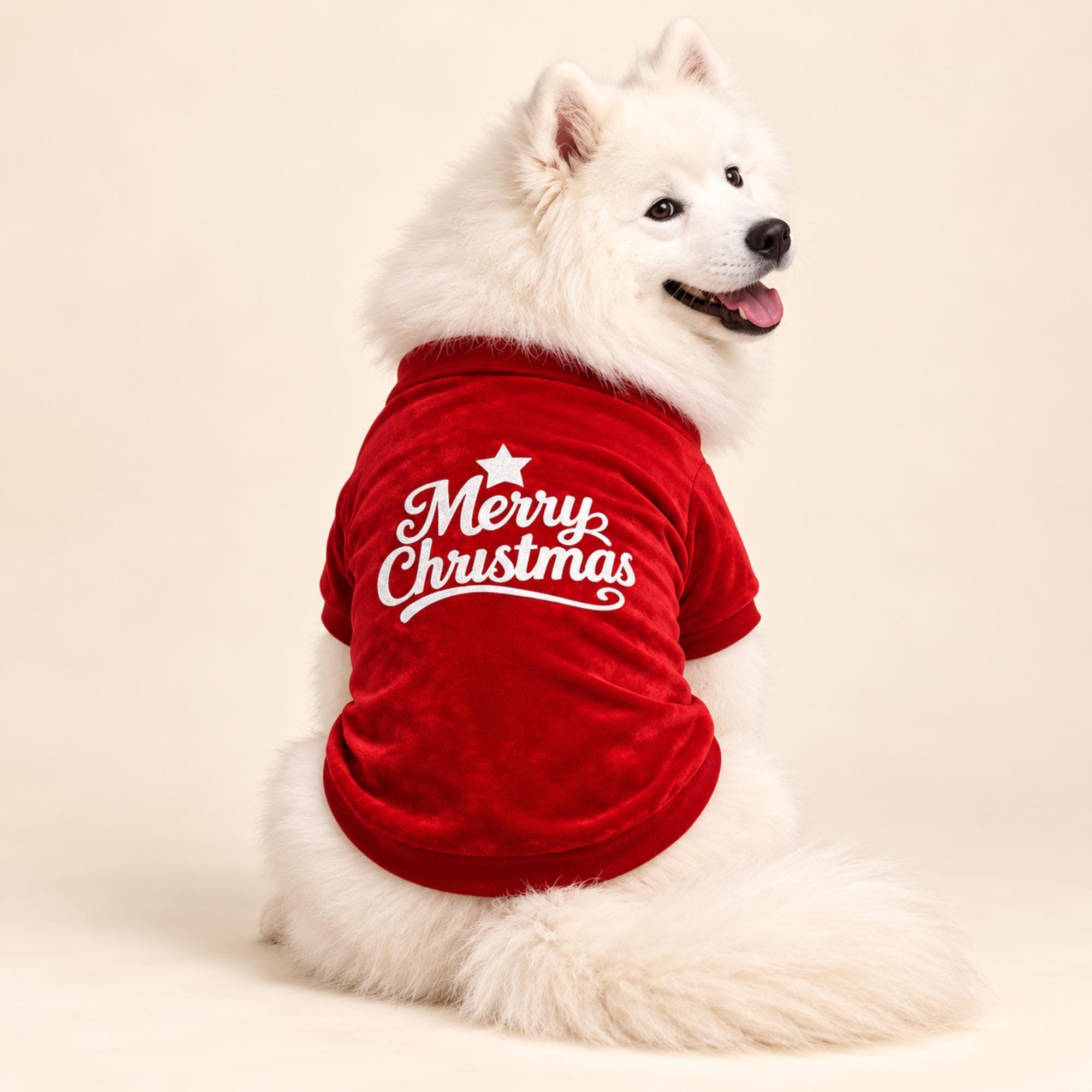
For example, a velvet-style shirt has a polished surface that can carry an outfit on its own. The Velvet Christmas Dog Shirt, available in red or green, pairs its smooth-looking finish with a white script detail. Keep the rest of the look visually quiet so the shirt remains the focus. Before choosing it, check the listed measurements and make sure your pet is comfortable wearing a pullover.
Pair smooth and visibly soft surfaces
A smooth surface next to a visibly soft or fluffy one creates contrast without needing a busy print. Think of the difference between a sleek shirt and a plush-style hood, or a plain garment beside a fuzzy pom-pom. For a small pet, keep the contrast concentrated in one area. A single soft-looking accent is often easier to wear and easier to read in photos than several competing details.
The Polka Dot Dog Hoodie offers one example of a more detailed surface: its product description notes a soft sweatshirt-style body, ribbed cuffs, a fluffy pom-pom, and braided side decorations. Because the hoodie already has several textures and details, let it be the main piece rather than adding another elaborate layer. Check that decorations do not interfere with movement, and supervise your pet while wearing it.
Use color to connect different textures
When two textures feel unrelated, a shared color can make them look intentional together. Repeat one shade in a small accent, or choose neighboring colors rather than introducing a third strong hue. This is especially useful in a compact wardrobe, where one garment may need to work with several others. Color gives the eye a clear link, while the texture contrast keeps the outfit from looking flat.
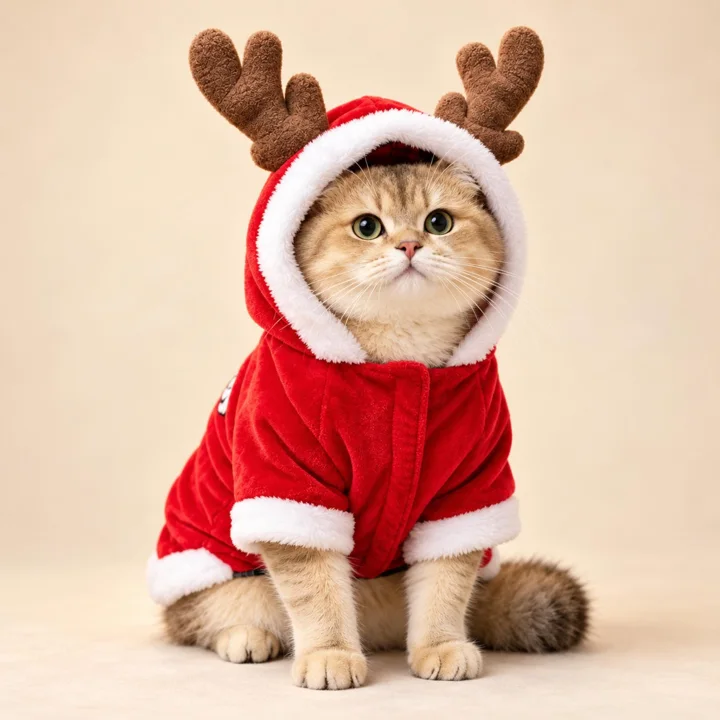
Holiday pieces make this easy to see. A green velvet-style shirt and a green cape have different surface treatments and silhouettes, yet their shared color family can create a coordinated seasonal look. The Christmas Tree Pet Cape has a plush-style appearance, colorful pom-poms, and a gold star detail, so it already brings substantial visual activity. Pair it with a simple base—or wear it alone—rather than piling on more decorations.
Balance pattern with texture
A pattern is already a strong visual feature, so pair it with a quieter surface when you want a balanced outfit. Polka dots, stripes, or graphic details can sit beside a plain garment with a different texture, but two busy patterns may compete for attention. If your available pieces are both patterned, look for a shared color and vary the scale or placement instead of adding another print.
The Polka Dot Dog Hoodie combines dots with braided side details and a pom-pom. It can work as the outfit’s focal point alongside a plain, smooth-looking accessory, provided the accessory is suitable for the occasion and does not restrict your pet. Avoid treating decorative neckwear as a leash attachment; use a properly fitted walking harness or collar designed for restraint when going out.
Keep layers simple and movement-friendly
More layers do not automatically make a better outfit. Each added piece can change how clothing sits around the shoulders, chest, legs, or neck, particularly on a small-bodied pet. If you combine textures through layering, use pieces that fit independently and do not bunch together. Watch your pet walk, sit, lie down, and turn before deciding that the combination works for more than a quick photo.
A cape and a shirt, for instance, may create an interesting contrast between a smooth finish and a plush-style appearance, but the pairing should not be assumed to fit every animal. Check the measurements and garment placement, and avoid layering if either piece pulls, shifts, or obstructs vision or movement. Supervise dress-up, especially when clothing has attached decorative details, and remove it if your pet seems uncomfortable.
Let the occasion guide the contrast
Different settings call for different levels of texture. For a family photo, a more noticeable contrast can help an outfit stand out against a plain background. For a short visit or everyday indoor wear, one textured garment may be enough. Match the visual weight of the clothes to the occasion, while remembering that a costume is optional; your pet can take part without wearing an outfit.
For a seasonal portrait, the Christmas Tree Pet Cape’s hood, pom-poms, and star detail create a distinct holiday look without needing additional costume pieces. A velvet-style shirt offers a less elaborate alternative for a festive gathering or picture. These are catalog examples, not required outfit formulas. Choose the option your pet accepts, take breaks, and keep sessions brief if attention or patience starts to fade.
Make a small wardrobe work harder
Think in combinations rather than buying a separate outfit for every event. A plain garment can calm a patterned piece; a textured top can add interest to a familiar color; and one seasonal item can become the focal point when worn by itself. Before adding something new, imagine at least two ways it could fit with pieces already in the wardrobe. That habit encourages useful variety instead of a drawer full of near-duplicates.
A practical mini-wardrobe might include one patterned casual piece, one simpler shirt, and a seasonal statement item, depending on what your pet tolerates and what you actually use. The polka-dot hoodie, velvet-style holiday shirt, and tree cape illustrate different visual roles, not a checklist to purchase. Review fit and your pet’s response each time. A garment that is rarely welcomed does not become useful just because it coordinates well.
Use photos and fit checks to edit an outfit
A quick phone photo can reveal whether textures and colors balance each other. Step back and notice what draws the eye first, whether details compete, and whether the outfit looks cohesive from the side as well as from above. Then put the camera away for a moment and check the fit directly. A pleasing picture is not a substitute for observing your pet’s posture, gait, and willingness to keep wearing the clothes.
Look for fabric or decorations that twist, snag, press against the body, or get in the way of ordinary movement. Make sure the face and vision remain unobstructed, and supervise your pet rather than leaving them dressed unattended. If your cat resists apparel, do not try to make the outfit work; remove it and choose no clothing when needed. Stop at signs of discomfort, even if the colors look perfect.
A thoughtful next step
For a practical texture mix, pick one anchor piece, add a single contrasting surface, and use color to connect the two. Keep patterns and decorations in balance, check movement and fit, and let your pet’s preferences set the limit. A small wardrobe can offer plenty of variety when each piece has a clear role—and an outfit is always optional.
Explore our Apparel & Costumes collection, check measuring and fit guidance, or ask us about a product detail before choosing.
Pieces mentioned in this guide
These are catalog examples, not a promise of fit or availability. Read each listing and confirm the details before ordering.