

A holiday outfit can make a family visit feel festive, but it is only one small part of getting your pet ready to travel. The useful plan starts with your pet’s routine, the visit’s setting, and how long an outfit might reasonably stay on. Packing thoughtfully also means bringing familiar essentials and leaving room for your pet to opt out.
Think of the outfit as an optional photo or greeting detail, not a requirement for the whole gathering. A simple shirt, a hoodie, or a more elaborate costume can suit different pets and occasions, while a quiet place to rest matters to all of them. A little preparation helps you arrive ready to adjust the plan.
Start with the visit, not the outfit
Before choosing what to pack, picture the visit from your pet’s point of view. Will you be driving across town, staying overnight, meeting young children, or sharing a busy room with other animals? A short photo stop may call for a different plan than a long dinner. Ask the host where your pet can settle, whether there are household rules, and when a calm break might be possible.
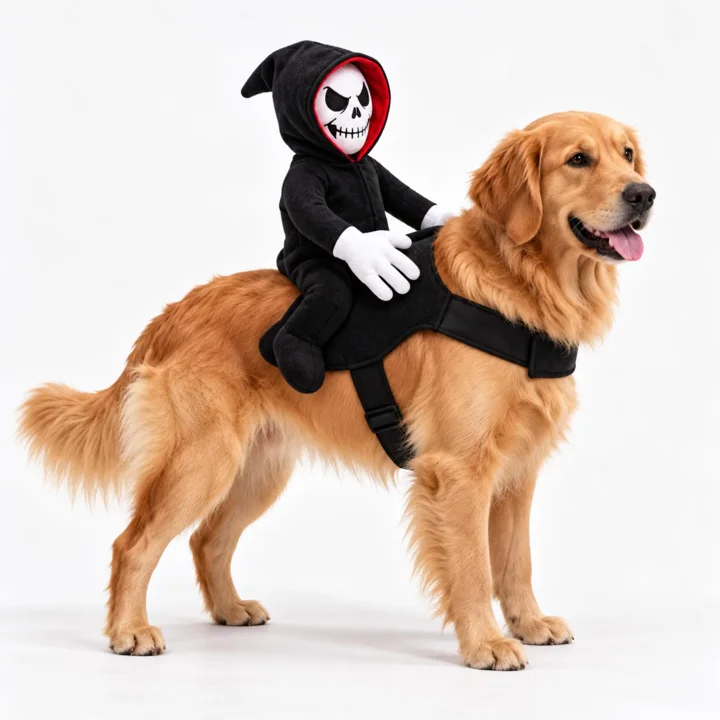
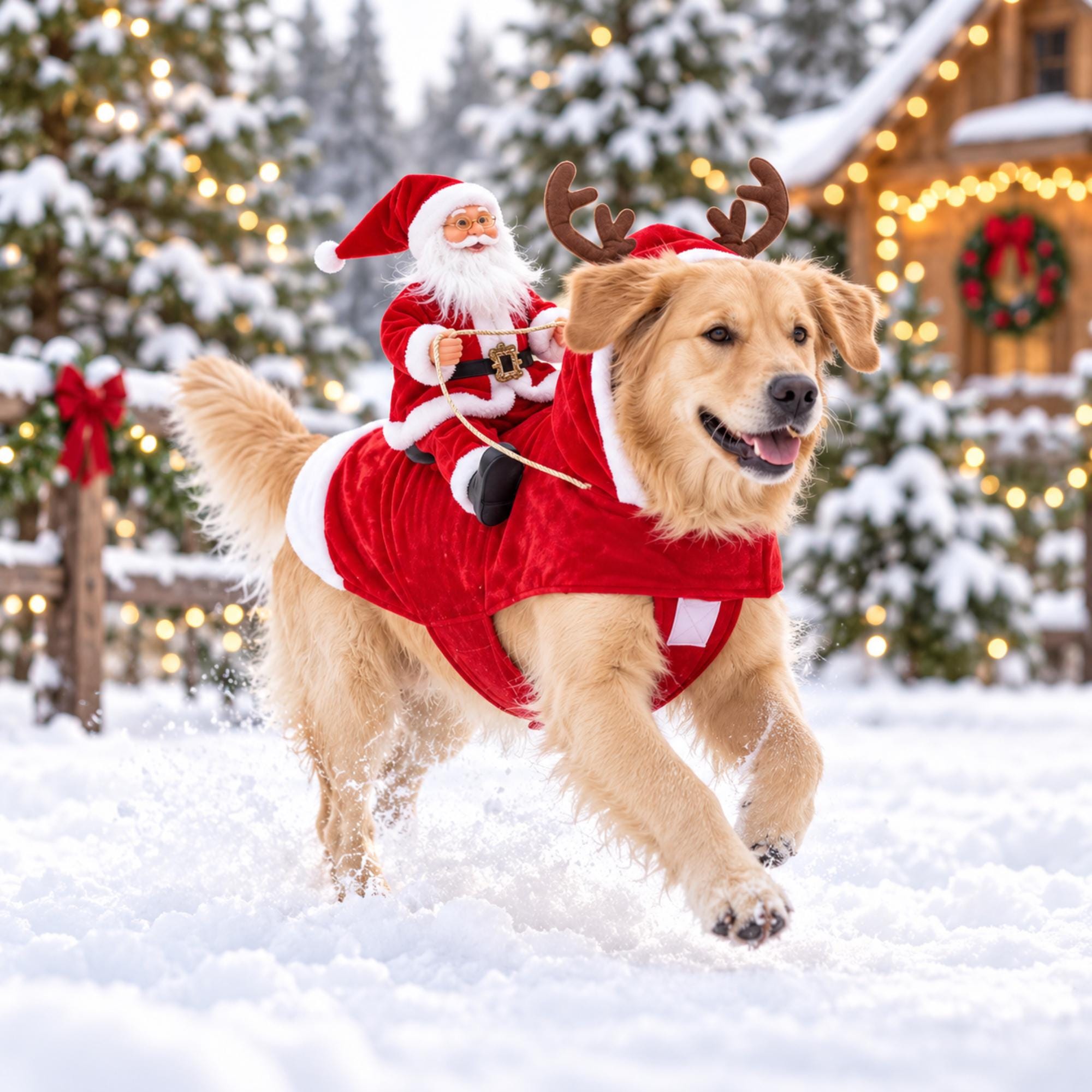
Then match the clothing choice to that setting. A velvet-style shirt, such as the red or green Velvet Christmas Dog Shirt listed for dogs and cats according to measurements, offers a more understated holiday look than a costume with extra features. A larger Santa rider costume is specifically described for medium and large dogs. Neither is automatically right for every pet; your pet’s behavior and the visit’s demands should guide the choice.
Check fit and comfort before packing
Try the outfit at home well before departure, when there is time to change course. Follow the product’s available measurement guidance rather than guessing from breed, weight, or a label alone. Notice whether your pet can move normally, sit, lie down, and turn without the garment shifting into the face or restricting movement. Check the fit again after your pet has moved around for a few minutes.
A brief try-on is not a promise that the outfit will be welcome for a longer visit. Watch for repeated attempts to escape it, freezing, unusual hiding, agitation, or other signs that your pet is uncomfortable. Remove the clothing if those signs appear, and do not force another try. For cats especially, plan on no outfit if the cat resists; attending without clothing is a perfectly good outcome.
Pack the outfit in a small, separate kit
Keep the planned look together in a clean pouch or a dedicated part of your travel bag. Include the garment and any pieces that belong with it, such as a hood or headpiece, so nothing gets separated. If you are bringing the Santa Rider Dog Costume, remember its reindeer antler headpiece and the rider figure attached to the costume design. Check the item description before packing rather than assuming it includes anything else.
Add a familiar, unadorned backup option only if your pet already tolerates it, along with a bag for used clothing. Keep the outfit away from treats, grooming products, and anything that could leak or leave residue on it. Do not pack an unverified cleaning product or assume a particular washing method. If a spill happens, follow the care information supplied for that specific garment.
Make room for ordinary travel essentials
The outfit should never crowd out the things your pet needs for the trip. Pack familiar food, water, bowls, any routine supplies, waste bags, and a leash or carrier appropriate to your usual travel plan. Bring bedding or a small blanket your pet already knows if space permits. These items support the visit more directly than an extra costume accessory, especially when the new setting is noisy or unfamiliar.
Keep walking equipment separate from decorative clothing. A costume or decorative neckwear is not a walking restraint, so attach the leash only to equipment designed for that purpose and used as part of your normal routine. Do not assume a decorative piece has a breakaway clasp or any safety rating. Before leaving, check that your pet’s travel setup is secure and that clothing cannot obstruct a harness, carrier opening, or your view of your pet.
Plan a calm arrival and a clothing break
Give your pet time to settle before adding a festive layer. On arrival, offer water and a chance to explore a quiet, pet-safe area under your supervision. Keep the outfit packed until the initial excitement has eased. If your pet is panting, trying to hide, or focused on escaping the garment, do not treat the visit schedule or a planned photo as a reason to keep it on.
Agree on a break spot with the host before guests gather. It might be a familiar carrier, a quiet room, or another safe space where your pet can rest without being approached. Supervise your pet while dressed, and remove the outfit for eating, resting, or any activity where it could catch, shift, or interfere. If you cannot watch closely, choose no outfit for that part of the visit.
Choose photo moments with care
A short, low-pressure photo session is often easier than expecting a pet to pose throughout the gathering. Take pictures after your pet has settled, use a familiar person to help, and keep the camera setup simple. Leave room around the face and body so the clothing does not obscure sight or movement. A quick photo in a quiet corner may work better than calling a pet into a crowded room.
The Christmas Dog Hoodie in Santa red or Elf green is one catalog option described for cats and dogs, with a hood, pom-pom, and long ties. Those details may not suit every animal, so supervise closely and remove the hoodie if a tie or hood draws attention or causes discomfort. For a simpler look, the pullover Christmas shirt is described with short sleeves and back artwork. Let the pet’s response decide whether the picture happens.
Account for children and other animals
A festive outfit can attract attention, so give guests a clear instruction before they approach: let the pet come to them, avoid pulling at clothing, and leave the face and tail alone. Children may need an adult to help them keep their voices and movements calm. Do not let a costume turn into an invitation to pick up, chase, or crowd an animal that is trying to move away.
If other pets will be at the gathering, plan introductions without relying on the outfit as a conversation starter. Keep animals separated at first if needed, and watch for changes in body language rather than assuming they will get along. Clothing can add unfamiliar texture or movement, and a rider-style costume may attract extra attention. Remove it if another animal fixates on it or if your pet seems less able to move away comfortably.
Keep a backup plan for the trip home
At the end of the visit, check the garment and your pet before packing up. Remove clothing if it is damp, dirty, twisted, or bothering your pet; do not leave a tired animal dressed simply because the outfit looked good in pictures. Store used clothing separately from clean travel items. If the outfit needs attention later, use only the care instructions provided for that particular product.
For an overnight stay, keep the familiar sleep routine intact instead of treating the outfit as sleepwear. Pack it away and offer the bedding or resting place your pet knows. For the ride home, use the same carrier or restraint routine you normally rely on, without letting costume pieces interfere. A comfortable trip back is a better ending than one more round of photos when your pet is ready to be done.
A thoughtful next step
Before leaving, confirm the fit, pack the outfit apart from everyday essentials, and tell the host how your pet can take a quiet break. At the visit, supervise any clothing, keep photos brief, and remove the outfit at the first sign of discomfort or obstruction. If your pet would rather arrive without a festive layer, bring the backup plan and let the celebration proceed that way.
Explore our Apparel & Costumes collection, check measuring and fit guidance, or ask us about a product detail before choosing.
Pieces mentioned in this guide
These are catalog examples, not a promise of fit or availability. Read each listing and confirm the details before ordering.