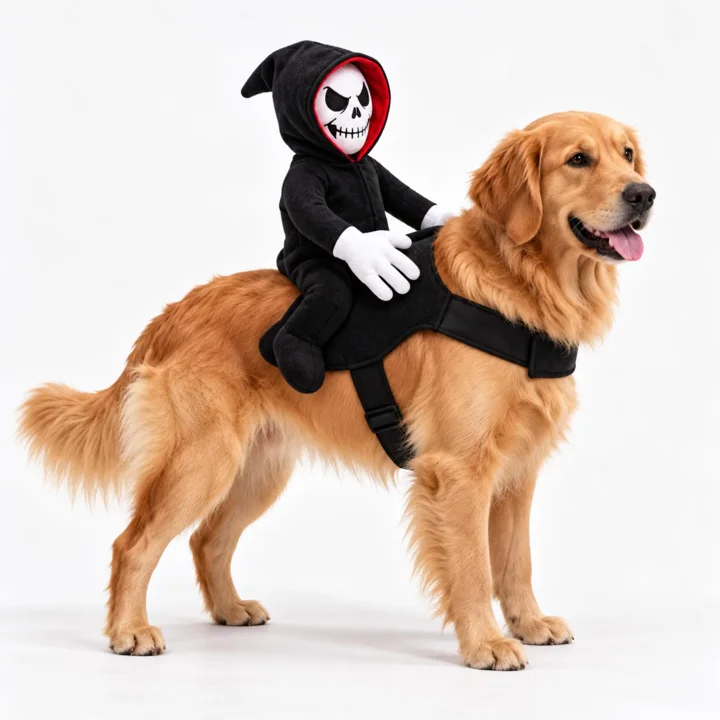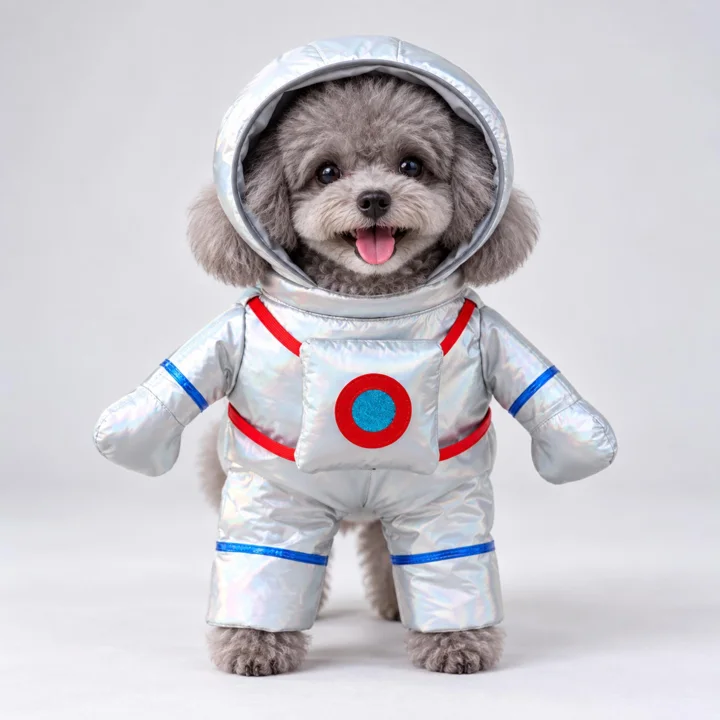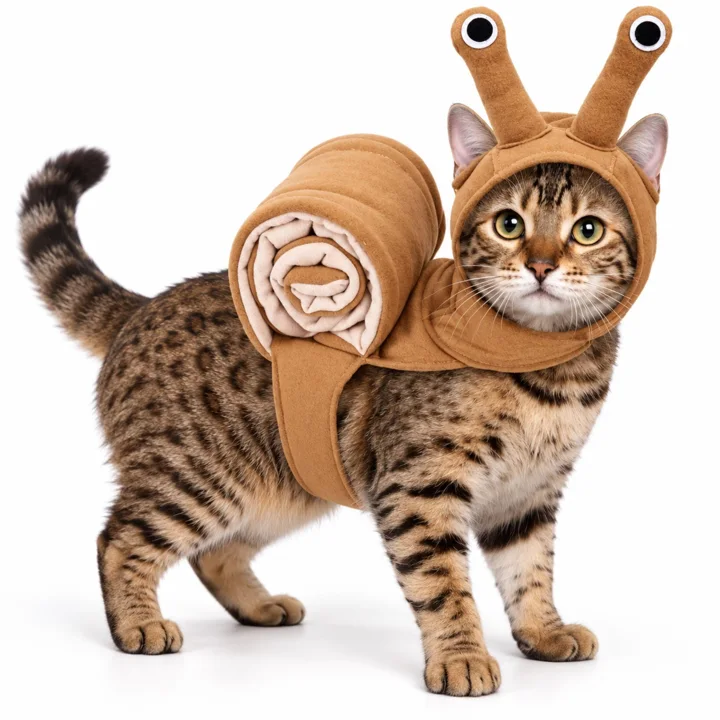


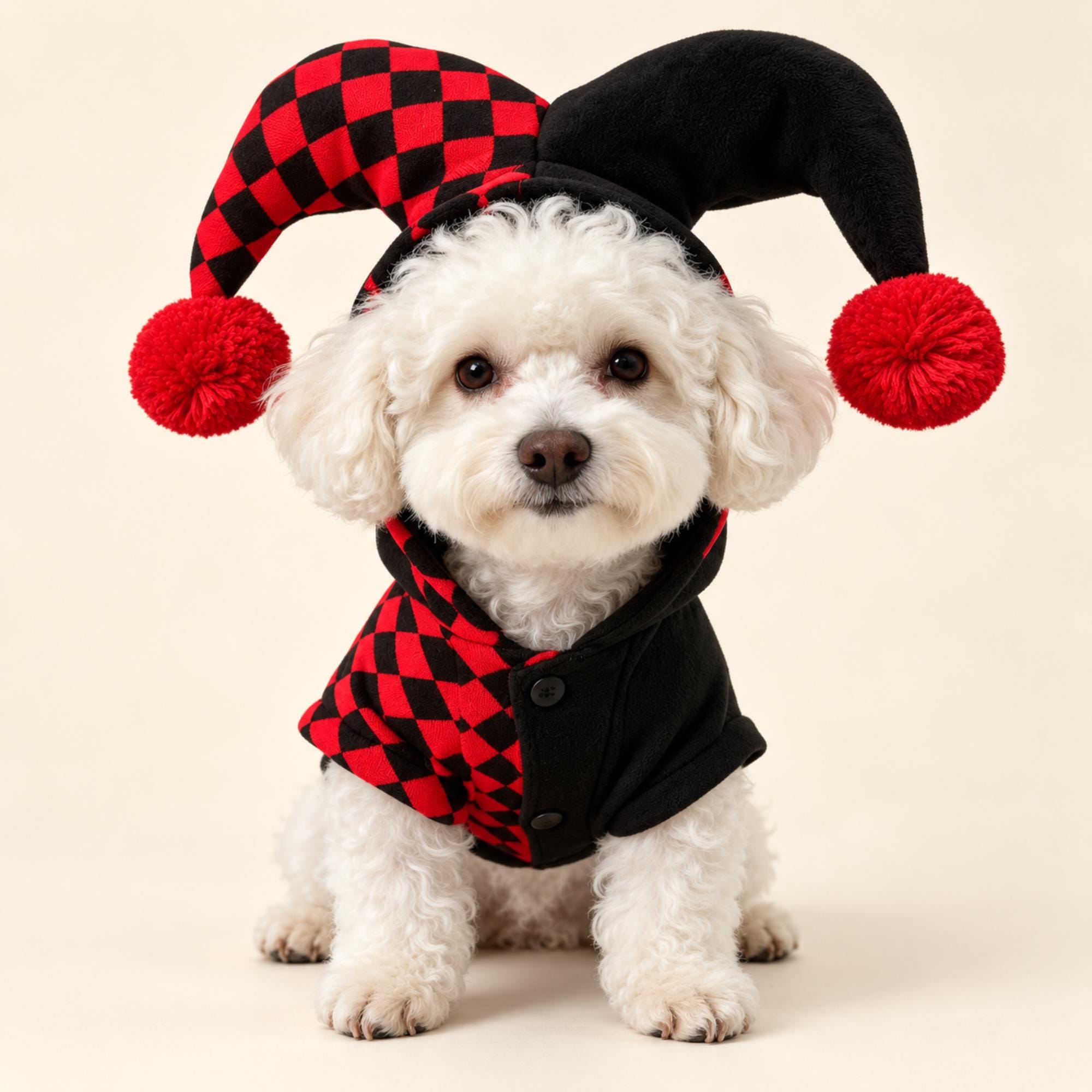
A tiny witch hat or pumpkin cap can make a Halloween photo memorable, but the picture is not worth a struggle. Many pets find headwear unfamiliar, and some will never accept it. Treat a hat as an optional photo prop, not something your pet must wear for the evening. A brief, calm session gives you a chance to capture the look while keeping your pet’s signals and comfort ahead of the costume.
Plan around your pet rather than the camera. Choose a quiet spot, check the fit before taking pictures, and decide in advance how you will end the session. If your pet dislikes anything on its head, skip the hat. A festive bandana or a costume that does not cover the head may be a better choice, though any apparel should also come off if it causes discomfort.
Decide Whether a Hat Suits Your Pet
Temperament matters more than a pet’s apparent costume potential. A dog accustomed to gentle grooming may tolerate a light headpiece for a moment, while another may paw at it immediately. Cats often reject apparel, and headwear can be especially intrusive. Do not hold a hat in place or keep trying after your pet pulls away. If your companion seems uneasy when you merely bring it near, choose a different Halloween photo idea.
Consider age, mobility, and sensitivities, too. A senior pet who is easily startled, a kitten still learning about handling, or an animal with limited vision may not be a good candidate for a hat session. Avoid anything that blocks sight, hearing, breathing, or natural movement. There is no need to dress up every pet for the holiday; a photo beside a pumpkin or a seasonal blanket can be just as charming.
Check Fit Before the Camera Comes Out
A hat should sit without pressing on the eyes, ears, or throat, and it should not shift into your pet’s line of sight. Follow the product’s sizing guidance rather than guessing from breed or weight. Check how any ties, elastic, or fasteners sit, if the design has them, and do not improvise tight restraints to keep a hat on. If it slips, pinches, or needs constant adjustment, it is not right for this session.
Let your pet investigate the hat while it is off. Then, only if the animal remains relaxed, try placing it briefly and watch closely. Look for a stable fit during a natural head turn, not just while your pet sits still. Never leave a pet unattended in headwear, even for a quick household task. Remove the hat as soon as the photos are finished, and sooner if it moves or your pet objects.
Keep the First Introduction Low-Key
Start well before Halloween if you can, in a familiar room with few distractions. Put the hat on the floor and let your pet approach or ignore it. Reward calm curiosity with praise or a treat, then put the prop away. On another occasion, briefly touch it near the shoulders or head without putting it on. These small steps help you learn whether your pet is comfortable with the object at all.
If your pet stays relaxed, try a very short wear period and remove the hat while things are still going well. Do not turn practice into repeated attempts to overcome resistance. Freezing, ducking, turning away, pawing at the hat, or trying to escape are reasons to stop. A cat that walks off has answered the question; let it go. The goal is a willing participant, not a completed costume.
Set a Short Session Limit
Decide on a few minutes at most, with the hat worn only for the moments needed to take pictures. Have the camera ready, choose your background, and arrange treats or a helper before dressing your pet. This avoids making your animal wait while you adjust lighting, search for a phone, or rearrange props. Take a handful of quick pictures, then remove the headwear and give your pet a quiet break.
Do not extend the session because the first pictures are blurry or your pet has not looked at the camera. One usable image is enough. If your companion becomes restless, pants, repeatedly shakes its head, hides, or stops engaging as usual, end the attempt. Those behaviors can have different causes, so do not try to diagnose them from a photo session; simply remove the hat and give your pet space.
Choose a Calm, Pet-Friendly Setting
A quiet corner at home is usually easier to manage than a crowded event. Doorbells, party noise, unfamiliar people, and other animals can make a costume session more stressful, especially when a pet is already adjusting to headwear. Keep exits closed or otherwise secure the area, and make sure your pet cannot reach candles, food, cords, or small decorations while you take pictures. Use ordinary room lighting rather than startling flashes.
If you photograph outdoors, choose a familiar, enclosed place and keep your pet under direct supervision. A hat should never be used as a reason to loosen a leash or let an animal wander. Decorative apparel is not walking restraint. For a Halloween walk, use appropriate walking equipment as usual and skip headwear if it interferes with fit, visibility, or your attention to the surroundings.
Supervise Every Moment in Headwear
Stay close enough to remove the hat immediately. Check that it has not rotated, slipped over an eye, caught on fur, or begun to bother your pet. Do not leave a dressed animal alone in a crate, vehicle, yard, or room, even if the photo session seemed easy at first. Supervision is especially important around other pets and children, who might tug at a costume or turn a brief photo into a longer interaction.
Keep decorations simple and watch for loose pieces. A pet may try to chew a dangling detail, paw at a fastener, or rub its head against furniture. If anything loosens or appears damaged, take the item off and keep it away from curious mouths. Do not assume a costume feature is a safety device or that every design is suitable for every animal. When in doubt, leave the hat off.
Use a Different Halloween Look When Needed
Headwear is only one way to make a seasonal picture. A simple photo backdrop, a pumpkin placed safely nearby, or a festive setting can add Halloween character without putting anything on your pet. If your dog accepts neckwear, a catalog option such as the Orange Halloween Dog Bandana offers a pumpkin-and-spiderweb look. Check the item’s description and fit guidance, and remember that a decorative bandana is not a leash attachment or walking restraint.
For pets that tolerate clothing better than hats, a head-covering-free outfit may be worth considering, but it still needs a cautious fit check and supervision. Catalog examples include the Monster Pet Shirt, with an expressive face detail on the back, and the hooded Halloween Jester Dog Costume, which has two jester points and pom-pom details. A hood is still headwear: do not assume your pet will accept it, and remove it if it obstructs or causes discomfort.
Make the Photo About Your Pet
Use a familiar voice, a favorite toy, or a treat held near the camera to get a natural glance. Avoid repeatedly calling, repositioning, or handling your pet to force a particular pose. Photograph from your pet’s level, and allow it to stand, sit, or move as it chooses. A relaxed expression often makes a better keepsake than a perfectly centered hat, and candid shots can capture the holiday mood without demanding much from your companion.
If another person helps, give them one clear role: operate the camera, offer a treat, or watch the pet. Too many people reaching in can add pressure. Take breaks between attempts and end on a calm note. Afterward, put the hat and other decorations out of reach, then let your pet return to its normal routine. The costume is a temporary prop; your pet’s usual comfort and freedom of movement come first.
A thoughtful next step
For Halloween pet-hat photos, prepare the setting, check the fit, supervise closely, and keep the wearing time brief. Let your pet’s behavior set the limit, even if that means skipping the hat altogether. A bandana, a costume that leaves the head uncovered, or a simple seasonal backdrop can make a festive picture without asking your companion to tolerate something it dislikes. The best session is the one that ends promptly and peacefully.
Explore our Apparel & Costumes collection, check measuring and fit guidance, or ask us about a product detail before choosing.
Pieces mentioned in this guide
These are catalog examples, not a promise of fit or availability. Read each listing and confirm the details before ordering.