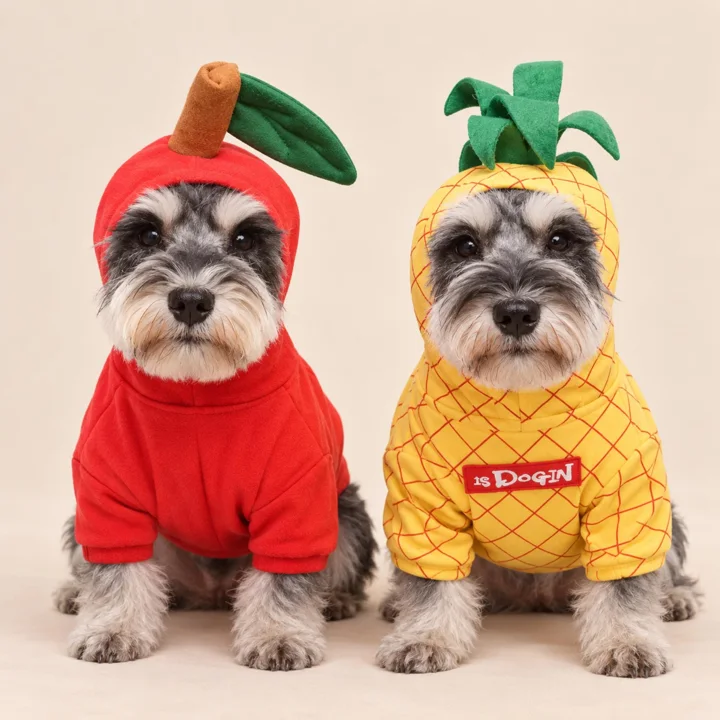


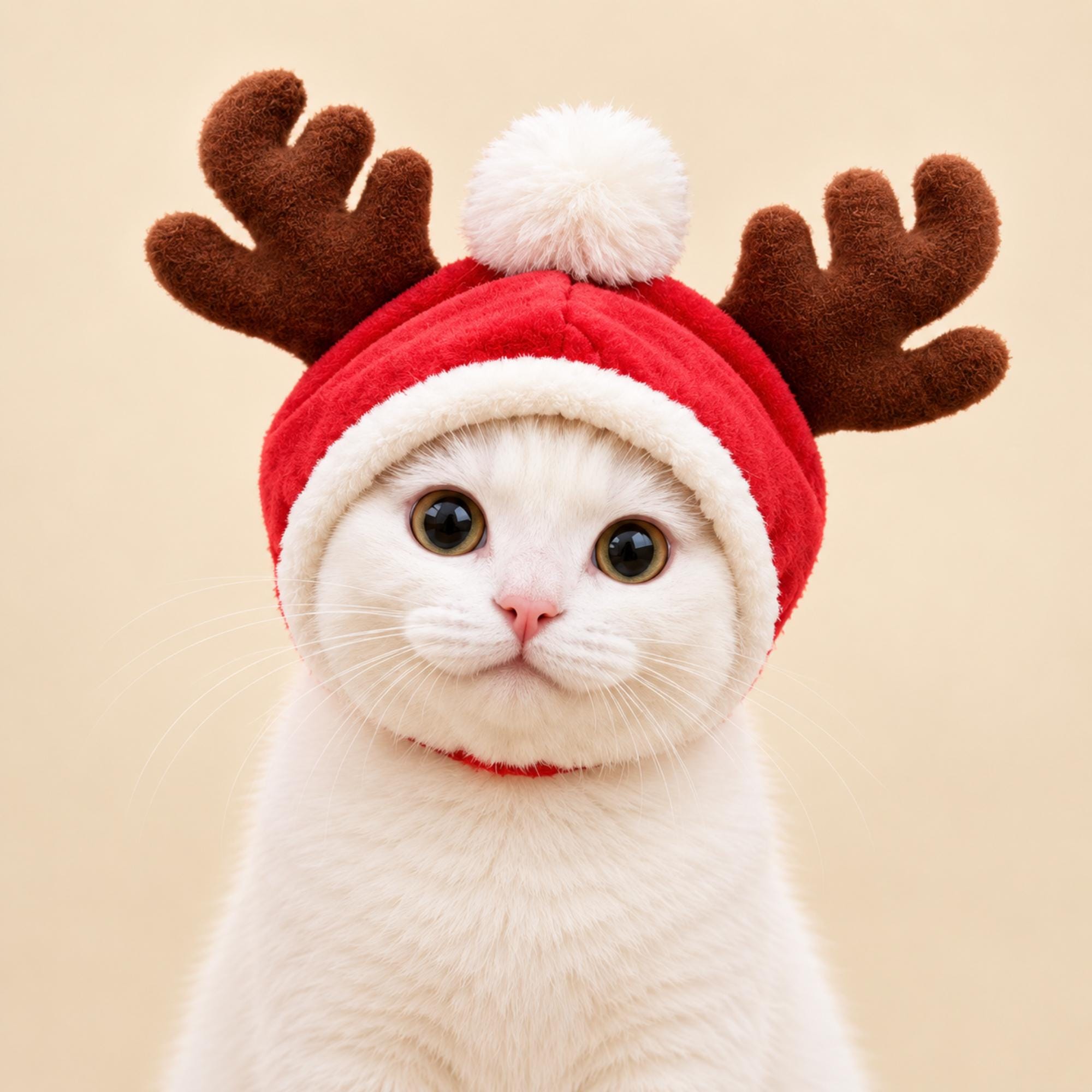
Pet pajamas and jumpsuits can make a pet look ready for a cozy night in, a seasonal photo, or a family celebration. But the best outfit is not the one with the most coverage or the cutest details. It is the one your pet can move in without distress—and only while your pet is willing to wear it.
Start with a simple distinction: clothing is optional, and a pet’s behavior matters more than the look. Consider fit, construction, supervision, and the setting before dressing your dog or cat. If clothing interferes with movement or your pet seems uncomfortable, remove it. There is no need to finish a photo session or keep an outfit on for the sake of an occasion.
Pajamas, Jumpsuits, and the Occasion
Pet pajamas usually suggest a soft, sleepwear-inspired look, while a jumpsuit generally covers more of the body with connected sections. Sellers may use these labels differently, so read the garment description and look at its pictured coverage rather than relying on the name. Neither term tells you automatically how warm, stretchy, or easy to wear an outfit is. Check the actual design and decide whether it suits the activity you have in mind.
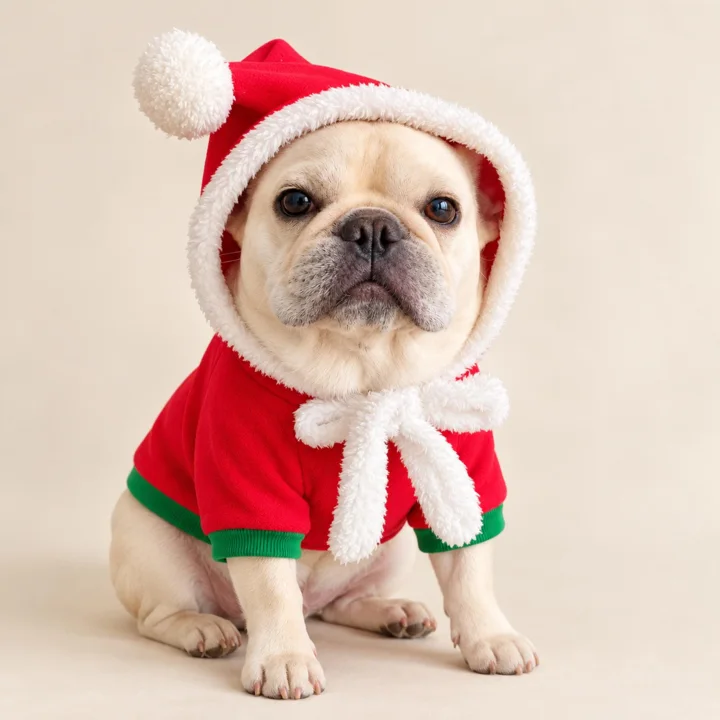
Think about the moment, not just the photograph. A brief, supervised picture at home calls for a different choice than a busy gathering where a pet may need to walk, turn, or settle. For a simple festive look, a short-sleeve shirt may involve less coverage than a full costume. Paw Dazzle’s velvet-style Christmas pet shirt, offered in red or green, is one catalog example; it is not a pajama or jumpsuit.
Measure Before You Choose a Size
Use the seller’s measurement guidance rather than choosing by breed, weight, or a familiar clothing size. Measure your pet as instructed, keeping the tape comfortable rather than tight, and compare those results with the size information for that specific garment. Pay particular attention to body length and the areas around the chest and neck when the listing provides them. Sizing can vary between designs, so a size that worked once may not suit another outfit.
A garment that is too small can restrict movement or rub; one that is too large may twist, slip, or catch on something. Consider your pet’s shape, coat, and posture as you assess the fit. If measurements fall between listed sizes, ask the seller which option is intended to fit those measurements before ordering. Do not guess at dimensions that are missing from a listing, and never assume that a breed label guarantees a good fit.
Check Movement and Everyday Functions
Before your pet wears an outfit for longer than a moment, check whether they can walk, sit, lie down, and turn naturally. Watch for fabric pulling across the shoulders or belly, sleeves that interfere with a step, or a hem that drags. The face, eyes, ears, and tail should remain unobstructed. A garment should not prevent normal movement or interfere with your pet’s ability to eat, drink, or use the bathroom.
For a jumpsuit, examine every opening and closure and make sure nothing presses into the skin or catches on claws. Clothing is not a substitute for a walking harness or leash, and decorative neckwear is not walking restraint. If your pet is going outdoors in an outfit, use suitable walking equipment separately and check that the clothing does not interfere with it. Remove the outfit if it shifts, snags, or limits a normal activity.
Let Your Pet Set the Pace
Introduce clothing in short, calm steps. Let your pet inspect the garment first, then try a brief fitting if they remain relaxed. Reward calm behavior if that suits your usual routine, but do not force a head, paw, or body through an opening when your pet resists. Some pets accept clothes readily; others dislike the sensation or handling. Cats in particular may not tolerate apparel, and choosing no outfit is a perfectly good outcome.
Look beyond stillness when judging a reaction. A pet that freezes, crouches, repeatedly tries to escape, scratches at the garment, or shows other signs of distress may be uncomfortable. Take the clothing off and give them space rather than waiting for them to adjust. A quick, supervised try-on is enough to learn whether a style is welcome. Never leave a dressed pet unattended, especially if the garment has loose details or could become caught.
Consider Fabric, Seams, and Details
Read the product description for the stated fabric or finish, construction, and design details. A smooth-looking surface does not establish the exact material, and a product photo cannot answer every question about texture or stretch. Check seams, cuffs, openings, and closures for areas that might rub or press against your pet. If you cannot tell whether a feature will suit your pet’s coat or skin, ask the seller before buying instead of making assumptions.
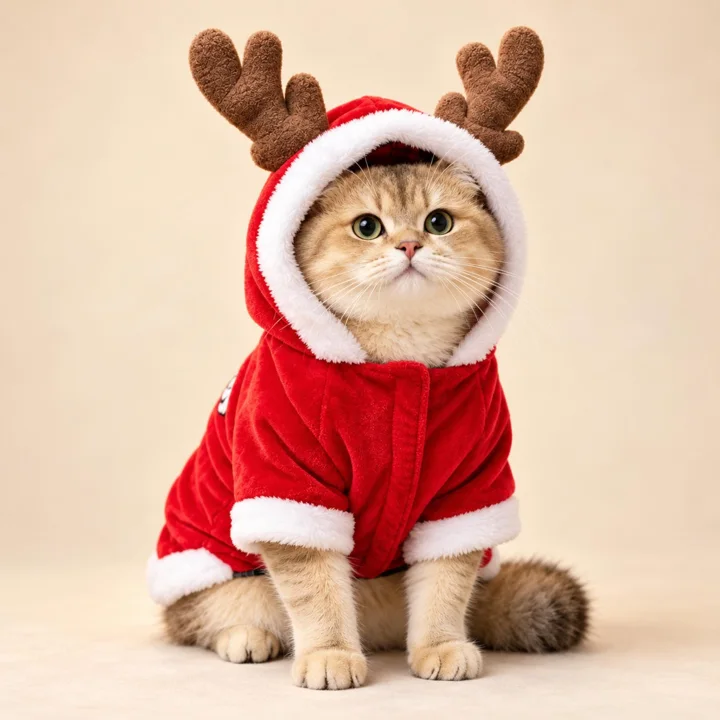
Decorations can affect practicality. Hoods, antlers, pom-poms, and appliqués may look appealing in a picture but can distract a pet or invite chewing. Paw Dazzle’s Reindeer Christmas Pet Hoodie, for example, has a hood with dimensional antlers and short sleeves. That description can help you assess the design, but it does not establish that every pet will tolerate it. Supervise wear and remove any outfit that draws persistent chewing or discomfort.
Match the Outfit to the Setting
A quiet indoor photo gives you room to pause, adjust, or remove a garment. At a party, new people, noise, and activity may already demand a pet’s attention; clothing can add another unfamiliar sensation. Consider whether your pet has a calm place to retreat and whether you can supervise throughout. If a pet seems overwhelmed, prioritize a break or a clothing-free space instead of keeping the outfit on for the event.
For outdoor use, think about the route, weather, and how the garment may shift during movement. Do not assume that pajamas or a jumpsuit are weather protection, and do not treat clothing as a way to make an unsafe temperature suitable. Keep the outing appropriate for your pet, check the outfit regularly, and remove it if it becomes wet, dirty, loose, or uncomfortable. A festive outfit is optional; a pet’s needs come first.
Plan for Cleaning and Repeated Wear
Before purchasing, look for care instructions in the listing or ask the seller if they are not provided. Do not assume a garment can be machine washed, tumble dried, or cleaned with a particular product just because it looks like ordinary sleepwear. Decorations and finishes may have specific care needs. If you cannot find instructions, avoid improvising a method that could damage the garment or leave residue that might bother your pet.
After each wear, check for pulled seams, loose decorations, damaged closures, or dirt where the garment contacts the body. Stop using it if a component is coming loose or the fit has changed. Store clothing where pets cannot chew it when unsupervised. For a pet who wears clothes only for occasional pictures, a simpler outfit may be easier to inspect and manage than one with many attached details.
Choose Style Without Overdressing
A coordinated look does not require full-body coverage. A simple shirt, cape, or other modest accessory can create a clear seasonal theme while leaving more of the body uncovered. For instance, Paw Dazzle’s Christmas Tree Pet Cape is described as a hooded cape with pom-pom decorations and a star detail. It offers a different silhouette from a jumpsuit, but its suitability still depends on the individual pet’s fit, response, and supervision.
If your pet dislikes clothing, use the setting rather than the animal to carry the theme: choose a festive blanket, background, or prop placed safely nearby, and let the pet opt out. Never use a prop or garment in a way that blocks breathing, vision, or movement. The goal is a pleasant shared moment, not a perfectly styled image. Take the picture when your pet is relaxed, and stop if their attention turns to escaping or removing the outfit.
A thoughtful next step
Before buying pet pajamas or a jumpsuit, check the garment’s measurements and description, consider its openings and details, and picture your pet doing ordinary movements in it. Introduce it briefly, supervise every wear, and remove it at the first sign of restriction or distress. If your pet resists, choose a simpler style or no outfit at all. The most thoughtful look is one that leaves your pet free to move and comfortable enough to be themselves.
Explore our Apparel & Costumes collection, check measuring and fit guidance, or ask us about a product detail before choosing.
Pieces mentioned in this guide
These are catalog examples, not a promise of fit or availability. Read each listing and confirm the details before ordering.