

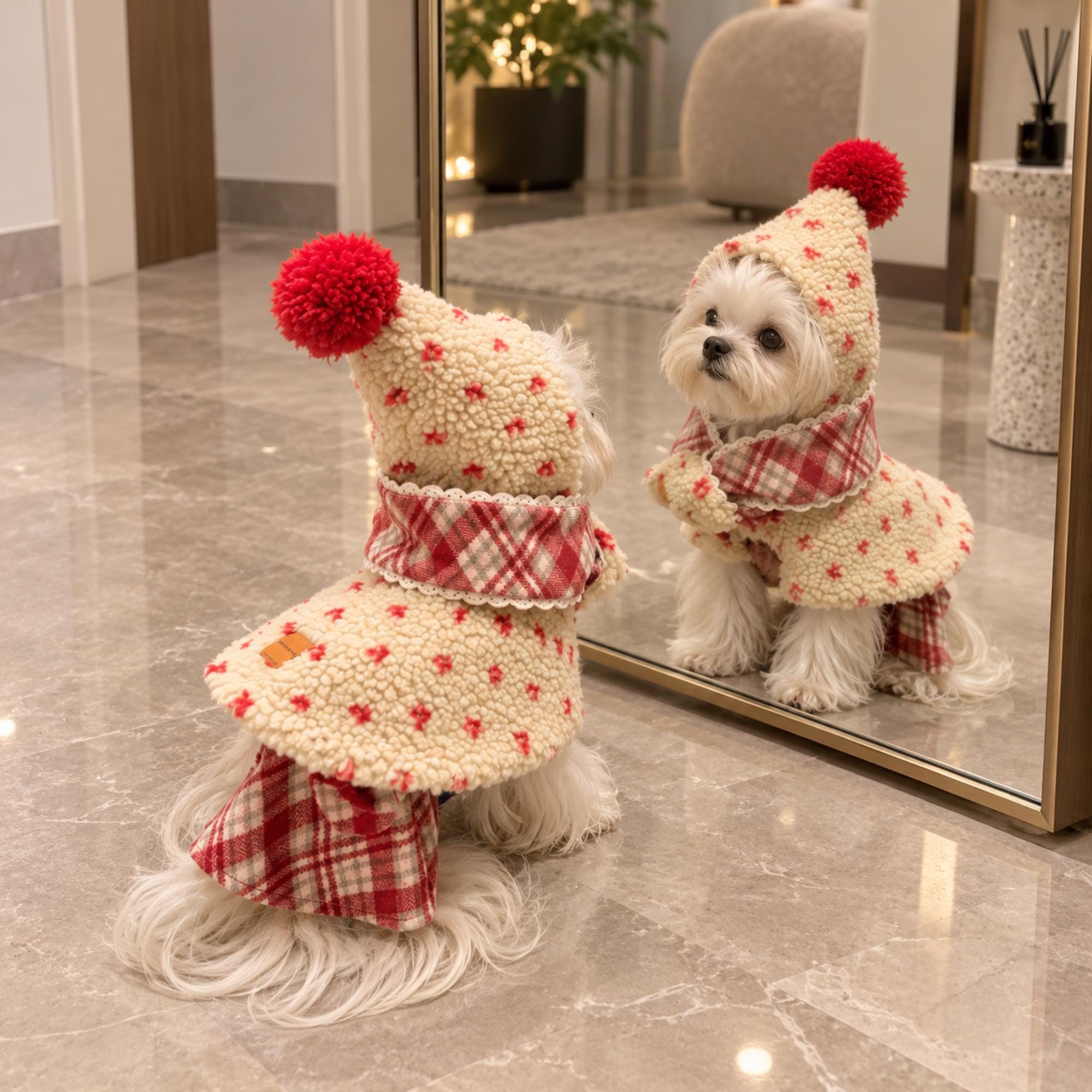
A holiday photo corner can be festive without turning your living room into a studio. Choose a quiet spot, keep the setup simple, and let your pet decide whether to join in. A few well-chosen colors and an uncluttered background often make a more memorable picture than elaborate props or a long session.
Plan around your pet’s habits as much as your holiday palette. A dog who settles on a familiar blanket may be ready for a portrait, while a cat who dislikes clothing may prefer to observe from a nearby perch. The goal is to create a welcoming place for a picture, not to make every pet pose.
Choose a spot your pet already likes
Start with a corner where your pet naturally pauses, rests, or watches the household. A spot near a familiar bed or favorite rug can feel less imposing than a newly arranged display in the busiest part of the room. Notice what happens there at different times of day: a sunny window may be appealing in the morning, while a quieter hallway nook could work better during a noisy gathering.
Check the area from your pet’s perspective before decorating. Make sure there is a clear way in and out, and avoid placing the setup beside a door that guests will keep opening. Keep food bowls, litter boxes, and well-used walkways out of the frame if possible, but do not relocate essentials just to create a prettier picture. Familiar surroundings can help the photo feel relaxed.
Keep the background simple and seasonal
Choose one visual idea, such as evergreen colors, a cozy winter palette, or a few paper snowflakes, and let it guide the backdrop. A plain wall, curtain, or neatly arranged blanket can give the camera a calm background without requiring special equipment. Leave enough open space around your pet so the image does not feel crowded, especially if your subject is small or has a busy coat pattern.
Think about contrast when selecting colors. A dark pet may stand out against a light blanket, while a white or cream-colored pet may be easier to see against deeper green or red accents. Use only a few decorations within the frame, and check that they do not resemble something your pet might chew or bat around. Photograph the empty corner first; it is easier to adjust clutter before your pet arrives.
Use steady, gentle lighting
Soft light from a window can make a simple setup look polished. Position your pet so the light falls from the front or side rather than directly behind them, which can leave their face in shadow. If the window creates a bright patch on the floor, try moving the photo spot a little or using a sheer curtain to soften the light. Take a test picture and check the eyes and coat before inviting your pet in.
Avoid sudden flashes or bright lamps aimed at your pet. If daylight is limited, turn on a room light before the session so the change is gradual, then use your phone’s screen or camera preview to assess the result. Be mindful of cords and stands: secure them out of reach and keep them away from paws and tails. A slightly imperfect, naturally lit photograph is preferable to a setup that makes your pet wary.
Decorate with pet access in mind
Treat every low decoration as something your pet may investigate. Keep small ornaments, ribbon, tinsel, hooks, and breakable pieces outside the photo area or well beyond reach. Anchor lightweight backdrop pieces so they cannot fall if brushed, and avoid placing a tree or tall display where a curious pet can climb or pull it over. A few larger, stable decorations can suggest the season without creating a maze of tempting objects.
Do a quick safety sweep before each session, not just when you first build the corner. Look for loose threads, dangling cords, fallen pine needles, or a prop that has shifted into a walking route. Never leave a pet alone with the setup. If your pet starts chewing, pawing, or trying to climb the decorations, pause the photo and remove the temptation rather than hoping it will be ignored.
Offer props without making them mandatory
A favorite toy, a plain cushion, or a familiar blanket can add personality without asking your pet to interact with an unfamiliar object. Place a prop nearby and let your pet approach it voluntarily. For a dog, a toy held just beside the camera may encourage a natural glance; for a cat, a quiet perch can be more inviting than a toy waved repeatedly. Keep the frame ready so you can capture a brief moment.
Skip props that can obstruct movement, cover the face, or become a chewing hazard. Do not use food as a lure if it makes your pet anxious or creates competition with another animal. If a prop draws more attention than your pet, remove it. The best accessory may be no accessory at all: an expression, a relaxed posture, or a familiar look toward the person taking the picture can carry the seasonal mood.
Make festive clothing an optional choice
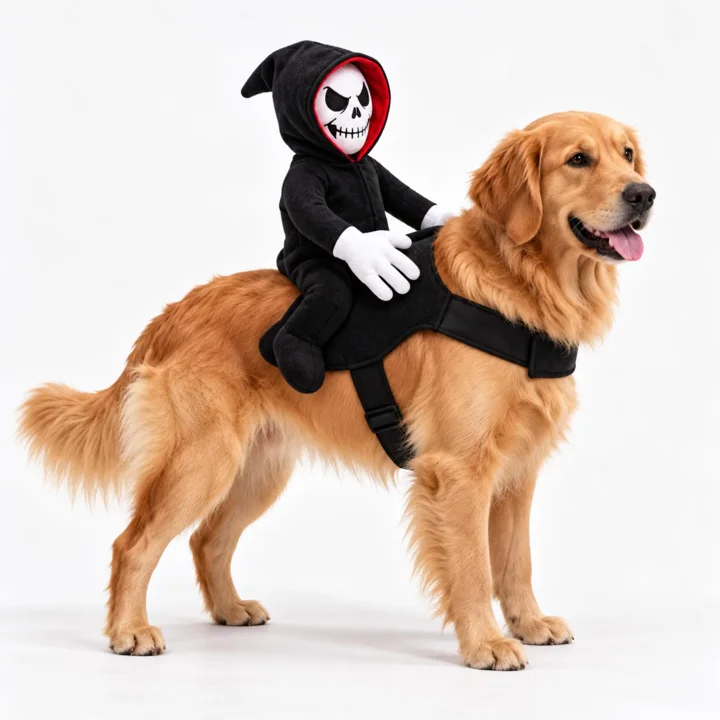
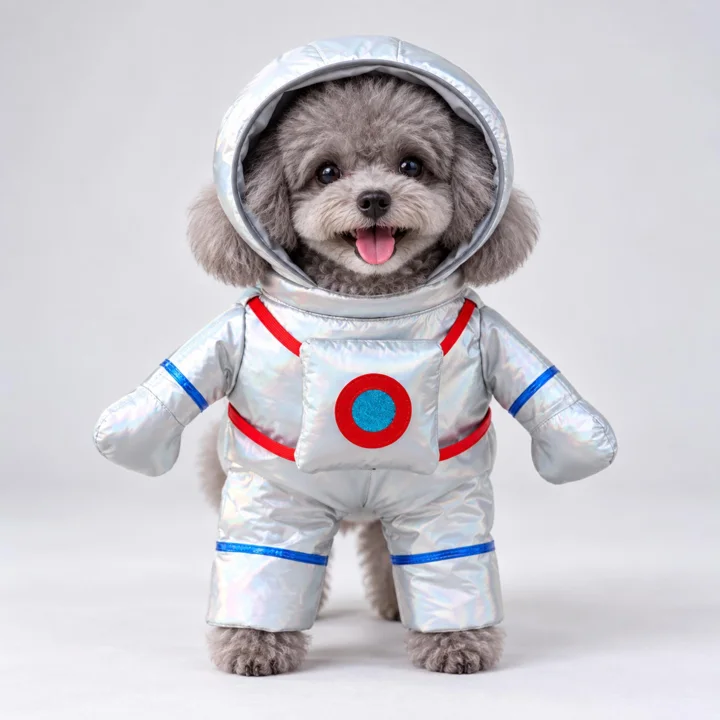
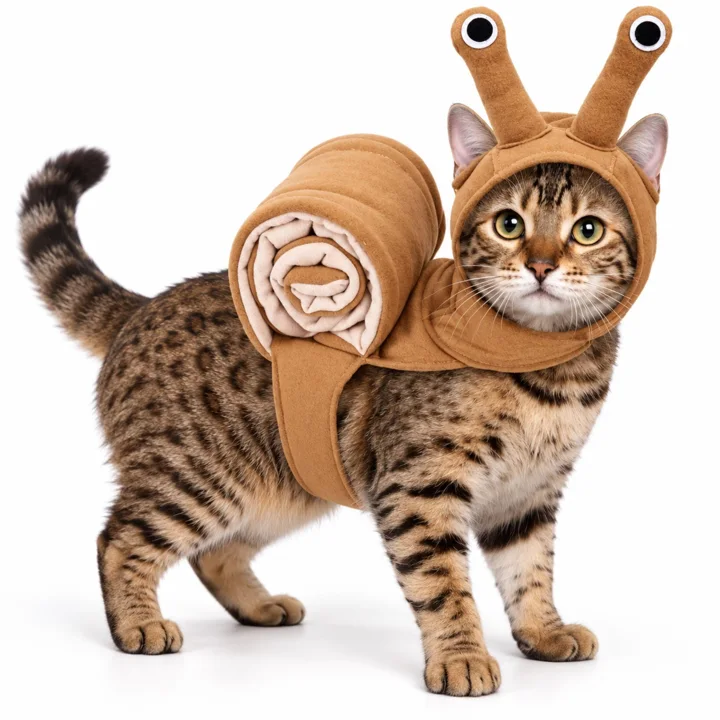
If your pet already accepts clothing, choose an outfit that fits according to its listed measurements and does not restrict movement, breathing, vision, or ordinary behavior. A catalog example is the Cream Sherpa Christmas Pet Cape, with a pointed hood and red plaid details, for dogs and compatible cats based on measurements. The Reindeer Christmas Pet Hoodie offers another holiday look. These are styling options, not requirements for a good portrait.
Introduce an outfit calmly and watch your pet’s response. Stop if they freeze, struggle, repeatedly try to remove it, or otherwise seem uncomfortable; cats in particular may prefer no apparel. Supervise throughout, and remove anything that shifts or obstructs the face or movement. Never leave clothing on for an unattended photo setup. If your pet objects, photograph them without it and keep the moment short.
Keep the session brief and low-pressure
Set out the corner before bringing your pet over, and have the camera ready rather than arranging props while they wait. Take a few pictures during a natural pause, then give your pet a chance to leave. Short sessions are easier to fit around a household’s routine and reduce the chance that a curious animal will lose patience with the lights, people, or decorations.
Use familiar cues and a calm voice instead of repeatedly calling, repositioning, or holding your pet in place. If there are several animals, photograph them separately when sharing the space creates tension or competition. A willing pet may return for another try later; an unwilling one should not be forced. Keep children and visiting relatives from crowding the corner, and ask everyone to let the animal approach on its own.
Plan around guests, noise, and escape routes
Holiday activity can change a room quickly. Put the photo corner somewhere guests will not block a pet’s usual route, and avoid staging pictures beside the entry where an open door could create an escape risk. If visitors are arriving, take pictures before the room gets busy or wait until the household settles. A familiar person can stay nearby while another takes the photograph, especially if the pet is unsure about the setup.
Let guests know the corner is not an invitation to pick up or dress your pet. Provide a quiet retreat away from the photo area, and allow your pet to use it without being followed. If a party, music, or repeated interruptions make the animal tense, abandon the session. A holiday portrait is optional; protecting a pet’s space and routine matters more than getting a picture on a particular day.
A thoughtful next step
Before you begin, check the background, light, cords, decorations, and route out of the corner. Invite your pet over only when the space is ready, take a few pictures, and stop at the first sign they have had enough. If the outfit or props are not welcome, leave them out. A simple photograph of a relaxed pet is a better holiday keepsake than a perfectly arranged scene.
Explore our Apparel & Costumes collection, check measuring and fit guidance, or ask us about a product detail before choosing.
Pieces mentioned in this guide
These are catalog examples, not a promise of fit or availability. Read each listing and confirm the details before ordering.