

A seasonal pet costume collection has a short window to catch shoppers’ attention, but the buying decisions behind it start well before the first themed display goes up. Retailers need to balance recognizable seasonal looks with wearable options, clear product information, and enough variety to serve different pets and occasions. A well-planned assortment helps customers find an outfit that suits the event—and helps staff answer practical questions before purchase.
Treat costume planning as a focused category rather than a pile of novelty products. Decide which occasions matter to your customers, how much space the collection can earn, and what information shoppers will need to choose responsibly. Examples such as a plush monster shirt, a royal cape-and-crown set, and a dress with decorative detailing illustrate distinct styles and use cases; they are catalog examples, not a formula every shop needs to copy.
Start with the occasions your customers celebrate
Build the calendar around the events that make sense for your store, not every holiday on the calendar. Halloween may call for unmistakable costumes, while birthday parties, family portraits, and themed gatherings can support dressier pieces. Ask staff what shoppers requested last season, review relevant sales records if available, and invite informal feedback. These signals help distinguish genuine local interest from a theme that looks appealing only in a vendor photo.
Give each occasion a useful shopping window. Customers planning a photo session may shop earlier than someone seeking a last-minute Halloween look, so one launch date may not serve everyone. Keep the assortment visible long enough for browsing, while reserving space for other seasonal goods as the calendar changes. A simple planning sheet can map order deadlines, display dates, and when to review remaining inventory.
Choose a clear assortment mix
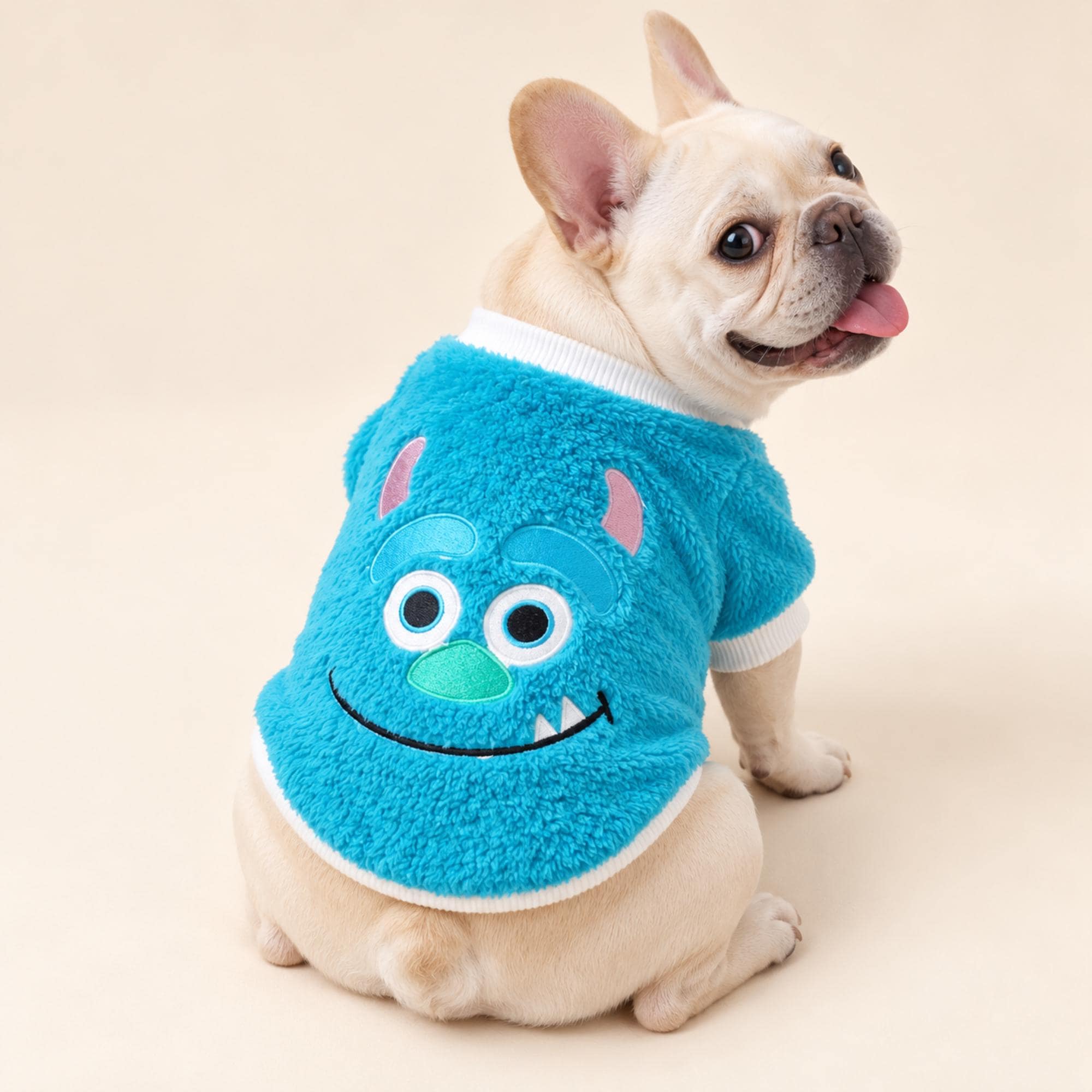
A cohesive collection can still offer variety. Consider balancing character-led pieces, classic costume silhouettes, and occasionwear that can suit more than one event. The Monster Pet Shirt, for example, offers a recognizable Halloween character in purple or blue, while a Royal Dog Costume pairs a cape and crown for a distinct king-inspired look. A quilted pet dress has bows and lace details and may suit portraits or gatherings beyond Halloween.
Set boundaries before selecting individual products: how many styles, color options, and size runs can your budget and floor space support? Too many near-identical choices can make a small collection harder to shop. Look for meaningful differences in look and intended occasion instead. Keep the assortment description accurate, and do not imply that decorative details, included pieces, or available colors apply to every product.
Plan timing and purchasing carefully
Work backward from the date customers expect to see seasonal merchandise. Allow time for product review, ordering, receiving, and correcting listing details before the display goes live. Confirm order timing and availability directly with the supplier; do not build a calendar around assumptions about stock or delivery. A staged launch can also help: introduce core costumes first, then add related occasionwear only if the season and store space support it.
Use a conservative first buy when demand is uncertain, especially for highly specific characters or narrow seasonal themes. Track what sells by style and size rather than relying on total category revenue alone. A popular look in one size does not prove that every size will move equally. Revisit the plan as the season progresses, and decide in advance how you will handle remaining seasonal stock without promising future availability.
Make sizing and fit information easy to find
Costume shoppers often need more than a broad label such as small or large. Display the product’s actual size chart and measurement guidance wherever customers make a decision, whether on a product page, shelf card, or printed handout. The quilted pet dress listing advises checking neck circumference, chest circumference, and back length. Encourage customers to use the specific product guidance rather than compare labels across unrelated styles.
Fit matters for movement and supervision, not just appearance. Remind shoppers to check that clothing does not obstruct a pet’s movement, vision, breathing, or ability to use the bathroom. Cats may reject apparel; advise stopping if a cat seems uncomfortable and choosing no outfit when needed. Recommend supervision while a pet wears a costume. Avoid promising that any garment will suit every animal or guarantee comfort.
Merchandise for quick comparison
Arrange costumes so shoppers can compare by occasion or visual style without having to inspect every package. A small Halloween grouping might place a monster character near other playful looks, while a separate portrait-and-party area could feature dressier options. Keep labels legible and make the product name, intended pet type, and available color choices easy to spot. Use displays to clarify differences, not to suggest that items come together as a set.
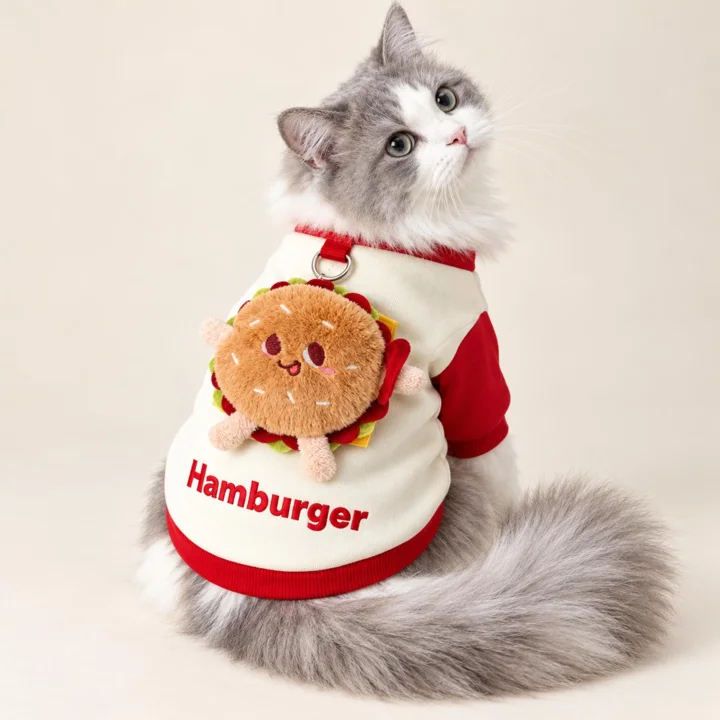
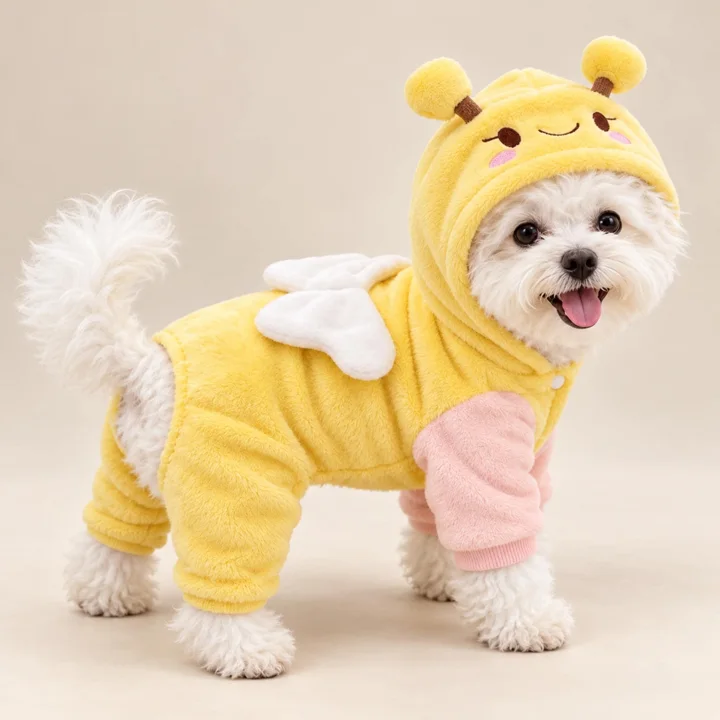
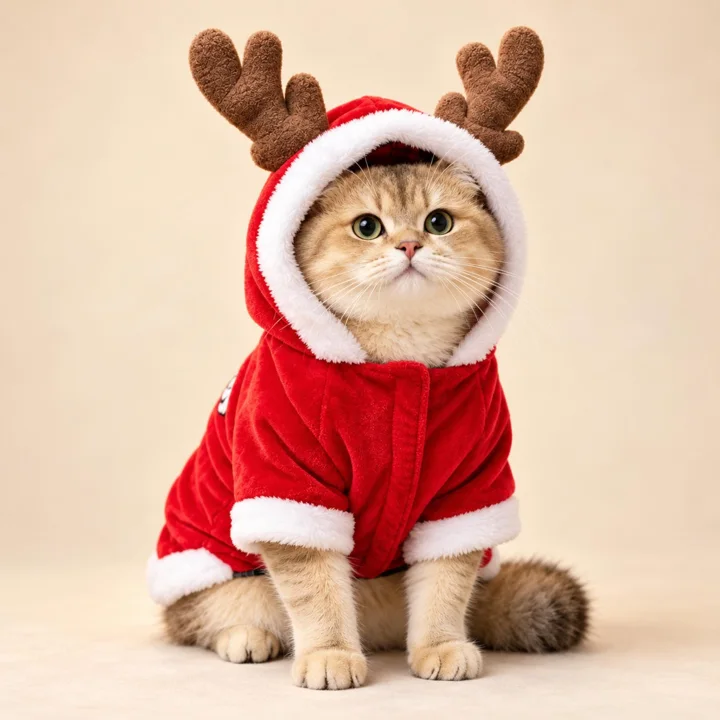
A costume can be difficult to judge from a folded package alone. Where appropriate, use clear product imagery that shows the full garment and its notable details, such as the monster face on the shirt or the cape-and-crown combination. Match images and shelf copy to the actual listing. If a set includes specific pieces, state them accurately; the royal costume description, for example, specifies one cape and one crown.
Write product copy that answers real questions
Useful copy explains what the customer receives, what the item looks like, and which occasions it may suit. Distinguish a shirt from a dress or a cape set, and identify decorative features without turning them into unsupported performance claims. The monster shirt’s description names its plush texture, embroidered face, short front sleeves, and purple and blue options. Those concrete details help shoppers picture the product and compare it with other choices.
Keep care, materials, and construction statements tied to confirmed product information. Do not infer a washing method, safety rating, fastening feature, or material composition from appearance alone. Neckwear or a ribbon tie is decorative unless the supplied description establishes otherwise; it should not be presented as walking restraint. If a shopper asks a question the listing cannot answer, confirm the detail before making a claim.
Prepare staff for fit and safety conversations
Give staff a short, consistent way to explain how customers can assess fit: consult the product’s size chart, take the recommended measurements, and check the garment on the pet without forcing it. Staff should know which products are described for dogs, which are described for dogs and cats, and when the listing says the correct size must be selected. Never suggest that a costume is suitable for a particular animal based on appearance alone.
Set clear limits for recommendations. A costume is not a reason to ignore signs of distress, restricted movement, or an obstructed face; advise removal if a pet is uncomfortable. Cats may not tolerate clothing, and some pets are better photographed without an outfit. Remind customers to supervise wear and choose no costume when that is the better option. This practical guidance builds trust without promising a risk-free experience.
Review results while the season is underway
Check performance during the selling period, not only after it ends. Note which occasions draw questions, which styles customers handle or try to compare, and where sizing information seems to cause confusion. Record sales and remaining quantities by product and size when possible. These observations can guide modest adjustments to displays or staff explanations while there is still time to make them useful.
After the season, separate what the numbers show from what they cannot show. A quick sell-through may reflect a small buy, while leftover stock may point to timing, assortment, or size distribution—not simply an unwanted product. Capture practical lessons for next year: which launch date worked, what customers asked, and which details should be clearer. Use that record to plan, without assuming next season will repeat the same pattern.
A thoughtful next step
A strong seasonal costume collection starts with a realistic calendar and a deliberate assortment, then supports shoppers with accurate descriptions, visible sizing guidance, and thoughtful staff advice. Choose products for distinct occasions and styles, plan purchasing conservatively, and keep pet comfort and supervision part of every fit conversation. Reviewing results during and after the season gives retailers specific lessons to carry forward—without turning one year’s outcome into a guarantee about the next.
Explore our Apparel & Costumes collection, check measuring and fit guidance, or ask us about a product detail before choosing.
Pieces mentioned in this guide
These are catalog examples, not a promise of fit or availability. Read each listing and confirm the details before ordering.