

Choosing a pet accessories supplier is not just a matter of finding appealing products. Retailers also need clear product information, dependable answers to practical questions, and an assortment that suits their customers. A festive cape, everyday cardigan, or playful set of booties can each serve a different shopper, but only if the retailer understands what is included, how fit is described, and how to explain the item responsibly.
Before placing an order, use a focused conversation to test how well a supplier can support your buying decisions. Ask for specifics rather than relying on attractive photos or broad claims. The questions below cover product details, sizing, assortment, ordering, and customer care—areas that can help a small boutique or larger shop make a more informed choice.
What exactly is included with each product?
Start by confirming the contents of each sellable unit. A title or lifestyle photo may not make clear whether a product is a single garment, a set, or an item with an accessory. For example, the listed animal dog booties are a set of four and include securing straps; that is useful information for a product listing and for staff answering questions. Ask the supplier to identify included pieces, design options, and any parts sold separately.
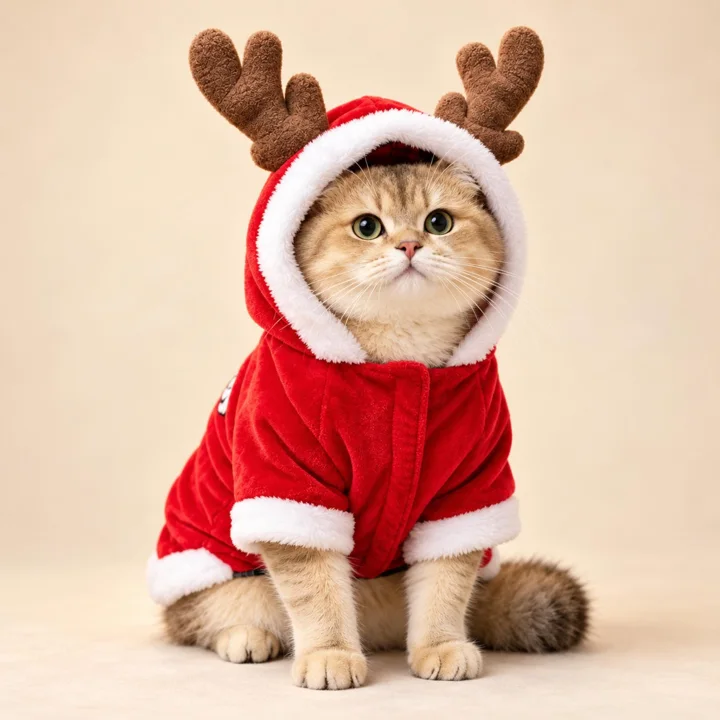
Then request a complete feature description that distinguishes visible details from assumptions. The Christmas plaid cape is described with a plush collar, satin bow, lining, and pom-pom trim. Those specifics help staff describe its appearance accurately, but they do not establish a cleaning method or walking function. Ask which details are confirmed, and avoid filling gaps with claims based only on a photograph or a product category.
How is fit explained and selected?
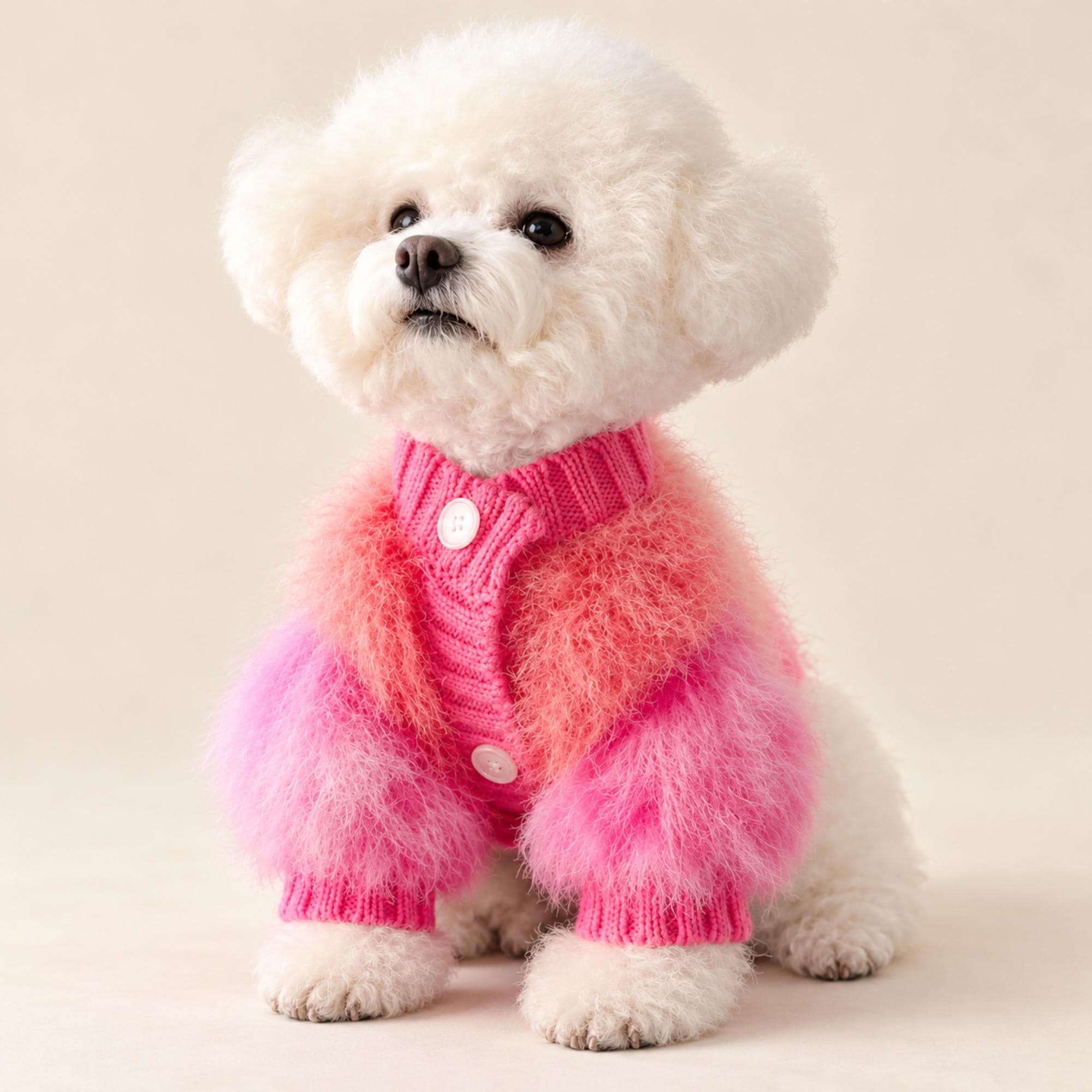
Ask what measurements shoppers should take, where to measure, and how the supplier expects buyers to use a size chart. The pink fuzzy cardigan listing calls for neck circumference, chest circumference, and back length, and advises choosing by the pet’s actual measurements rather than relying on breed alone. A retailer should know whether those instructions apply to every size and whether the chart is available in a format staff can consult while helping a customer.
Also ask what fit limitations customers should understand before purchase. A cape and a button-front cardigan have different shapes and coverage, so sizing guidance should not be treated as interchangeable across styles. Find out whether the supplier can clarify garment construction or sizing discrepancies before you publish a listing. If fit information is incomplete, say so plainly and avoid promising that an item will suit every pet of a particular breed.
Which pets and uses does the supplier describe?
Ask which animals a product is intended for and what uses are actually supported by its description. The cardigan and holiday cape are presented for dogs and cats when correctly sized, while the booties are described as dog footwear. That distinction matters when shoppers browse a mixed pet section. Request clear guidance about intended use, and do not assume that an item suitable for one species or body shape will work for another.
Discuss use cases with care. The cape is positioned for holiday photos, gatherings, and seasonal dress-up; the cardigan is presented for cooler days, lounging, and photos. Those examples give shoppers context without turning style language into a performance claim. For cats in particular, make clear that apparel may not be accepted. Recommend supervision, stopping if a cat seems uncomfortable, and choosing no outfit when clothing obstructs movement or causes distress.
What product claims can you verify?
Ask the supplier to separate documented product facts from promotional wording. A soft texture, a decorative bow, or a set of four booties can be described when those details appear in the supplied product information. Claims about durability, safety testing, temperature protection, or medical benefit require a basis; do not add them simply because a product looks substantial or is categorized as footwear. Request any substantiation the supplier has before repeating a claim in store materials.
Be especially precise with accessories that could be mistaken for functional equipment. Decorative neckwear is not a walking restraint, and a cape or cardigan should not be represented as a leash attachment unless that function is explicitly confirmed. Do not assume a clasp is breakaway, a garment is waterproof, or a particular washing method is suitable. When the supplier has not supplied an answer, keep the product copy limited to verified design and construction details.
How does the assortment fit your customers?
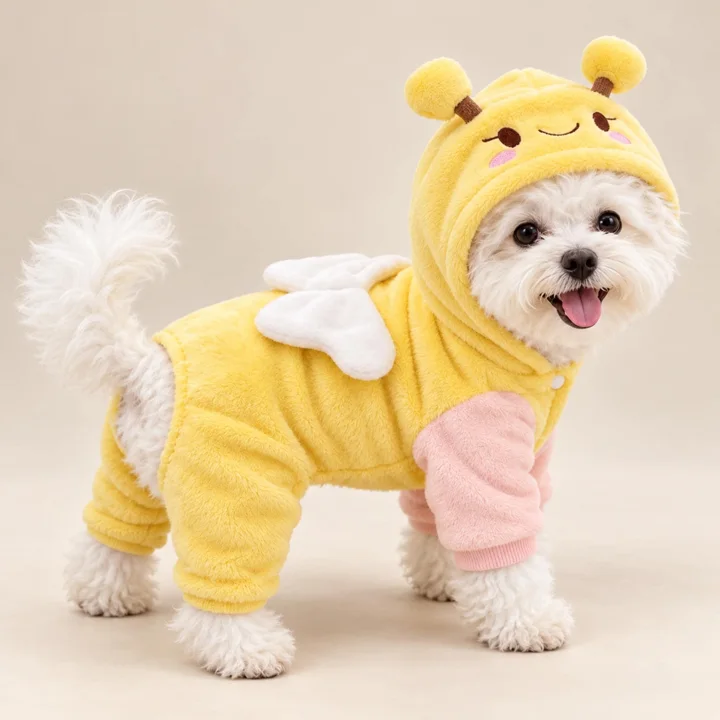
Ask how the supplier’s available styles, colors, and occasions align with your own customer base. A bright pink button-front cardigan may suit shoppers looking for everyday outfits or seasonal photos, while a red plaid cape has a distinctly holiday-focused look. The booties offer a character choice between a blue elephant and a pink pig design. These examples illustrate different merchandising roles; they do not mean every shop needs all three categories.
Consider the space and attention each item requires. A seasonal cape may deserve a short display window, while a cardigan could sit with small-pet apparel for longer. Ask whether options are distinct products or variations within one listing, and confirm precisely how each option is selected. That prevents a mismatch between a customer’s chosen design and the item entered at checkout. Build the assortment around your shoppers’ needs, not a supplier’s broadest possible catalog.
What are the ordering and availability details?
Before committing, ask how orders are placed and which details must be confirmed at checkout. Clarify how product variations are selected, whether size choices are entered separately, and what information appears on an order confirmation. These questions help prevent avoidable errors when a style comes in multiple colors or designs. Do not infer minimum quantities, reorder rules, lead times, or shipping terms; ask the supplier for the current terms that apply to your account.
Ask how availability is communicated and how changes to an order are handled. A product page or catalog may not answer whether every size and option is currently available, so verify before planning a promotion around a specific item. If you are considering an assortment for a holiday display, confirm the relevant timing directly rather than assuming a delivery date. Keep the answers in your purchasing notes so another team member can follow the same process.
What information and assets can the supplier provide?
Find out what product information is available for your staff and customer-facing listings. Useful materials may include an up-to-date size chart, a full description of included pieces, accurate option names, and images that show the product from more than one angle. Ask whether image use is permitted and whether the supplier has guidance for keeping descriptions consistent. Do not assume that a photograph alone answers questions about fit, fabric care, or product function.
A strong listing should help shoppers make a practical decision, not merely repeat promotional language. For the cardigan, for instance, staff can point customers to the requested neck, chest, and back measurements. For the four-piece bootie set, they can explain that all four paws are represented and that straps are included. Ask whether the supplier can clarify details promptly when a product description leaves a reasonable customer question unanswered.
How are product concerns and changes handled?
Ask whom to contact if an order arrives with a discrepancy, a product detail needs clarification, or a customer reports a concern. Confirm the appropriate process and what information the supplier needs, such as the product identifier or order details. Do not promise a return, replacement, refund, or resolution timeframe unless the applicable policy has been confirmed. Clear expectations let store staff respond calmly without creating commitments the retailer cannot support.
Finally, ask how product information is updated when a design, option, or listing changes. A new image or revised description can affect what customers expect, particularly when variations look similar. Establish how your shop will learn about changes and who will update online listings or staff notes. Treat unanswered questions as items to resolve before making claims, rather than relying on memory or carrying forward an old description.
A thoughtful next step
A useful supplier conversation leaves you with specific, usable answers: what is in the package, how sizing works, which claims are confirmed, and where to turn when something is unclear. Record those details, share them with staff, and use them to build accurate listings. If a supplier cannot confirm a point, keep it out of your sales language until you have reliable information. That discipline helps customers choose more thoughtfully and helps retailers buy with clearer expectations.
Explore our Apparel & Costumes collection, check measuring and fit guidance, or ask us about a product detail before choosing.
Pieces mentioned in this guide
These are catalog examples, not a promise of fit or availability. Read each listing and confirm the details before ordering.