

A costume can make a holiday photo memorable, but a more elaborate outfit is not always the best match for the pet wearing it. Some animals tolerate a little decoration and object to sleeves, close-fitting fabric, or pieces around their legs. Others are happy to wear a fuller look for a brief, supervised occasion. The useful question is not which style is cuter; it is which one suits your pet’s behavior, proportions, and plans.
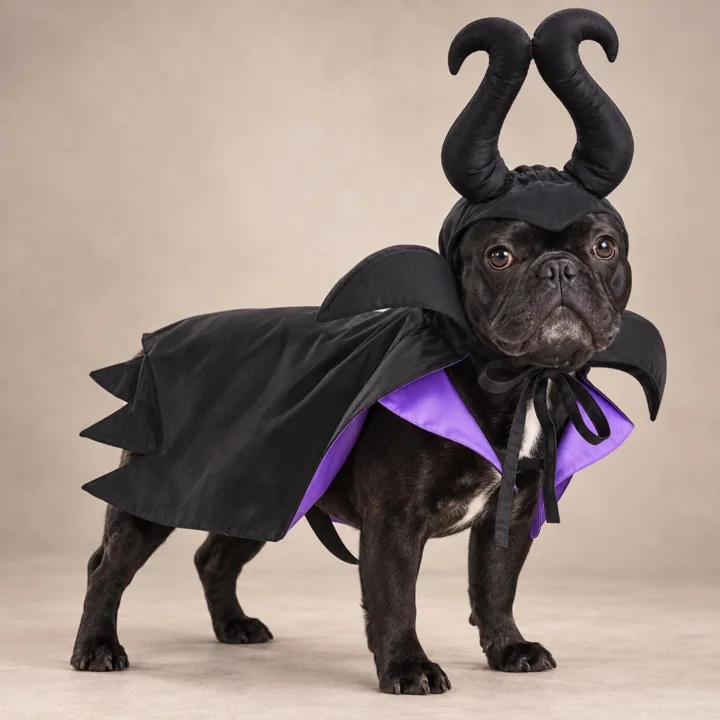
A cape offers a distinct silhouette without covering the body in the same way as a jumpsuit or vest. That can make it worth considering when you want a recognizable theme with fewer garment sections to fit. It is not automatically comfortable or appropriate for every animal, though: a hood, bow, or loose fabric can still bother a pet. Compare the specific design with your pet’s needs, then let their response guide the decision.
Start With Your Pet, Not the Costume Theme
Think about how your pet reacts to ordinary handling before choosing a style. Does your dog stand calmly while you adjust a harness, or do they turn to investigate every new strap? Does your cat accept a brief touch on the shoulders, or move away as soon as fabric appears? These everyday clues can help you decide whether a simple cape or a fuller outfit is a reasonable option to try.
A cape may involve fewer body-covering sections than a full costume, but it still adds fabric and may include a hood or decorative details. A pet who dislikes anything resting on the back may reject it just as quickly as a jumpsuit. Treat the first fitting as a short test, not a commitment. If your pet tenses, paws at the outfit, hides, or tries to remove it, take it off.
Consider What the Occasion Actually Requires
For a quick portrait at home, a cape can provide a clear theme without building an entire character from head to tail. A navy star wizard cape, for example, has a recognizable fantasy look through its starry design, hood, gold trim, and oversized bow. That may be enough for a themed picture or a brief visit with family, especially when a longer outfit would be unnecessary.
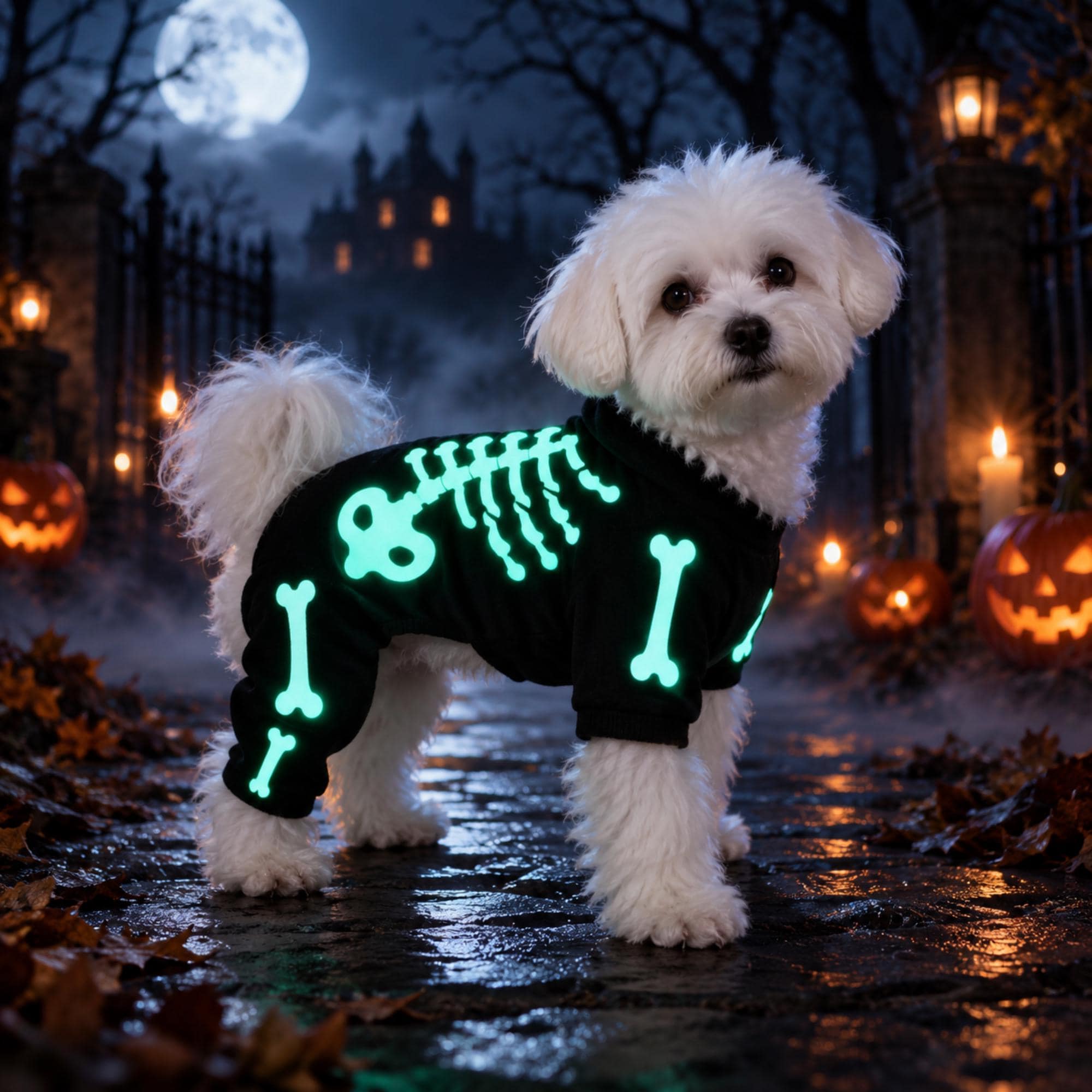
A full costume may suit an event where the complete visual transformation is the point, such as a supervised costume contest or a planned photo session. The Glow in the Dark Skeleton Dog Costume is a full-body design with bone details, while the lion costume combines a vest, mane hood, and tail. The added coverage and components create a more complete look, but also call for more careful fit and observation.
Compare Coverage With Freedom of Movement
Before dressing your pet, consider the movements they need to make during the occasion: walking, sitting, turning, sniffing, jumping onto a familiar resting place, or using the litter box. A full-body outfit can place fabric across more of the body, so check that it does not pull, twist, or interfere with those ordinary actions. Never leave a pet wearing something that obstructs movement, vision, breathing, or access to food and water.
A cape generally leaves more of the torso uncovered, but the word cape does not guarantee unrestricted movement. Fabric can shift, catch, or brush against legs, and a hood may alter how an animal moves its head. Watch your pet from several angles while they take a few natural steps. If they cannot move normally or seem preoccupied with the garment, remove it rather than adjusting them into wearing it.
Check the Details That Can Cause Irritation
Look closely at the costume’s shape and decorative elements before putting it on. A hood, bow, trim, tail, or other attached detail can change how an outfit feels and where it sits. The wizard cape, for instance, includes a hood and oversized bow; those features contribute to its look but may not suit a pet who dislikes fabric near the head or added decoration around the body.
Full costumes have their own points to inspect, including openings and any areas that sit near the legs or tail. The lion design has a sleeveless vest, mane hood, and attached tail, so assess each part rather than judging only by its overall appearance. Check that nothing presses, rubs, dangles within reach of chewing, or interferes with toileting. Remove the outfit if you see irritation or repeated attempts to bite it.
Use Measurements and Fit Checks, Not Guesswork
A cape and a jumpsuit can fit differently even when both are described for similar pets. Read the product’s available sizing information and compare it with your pet’s measurements before ordering. Do not assume that a style designed for dogs will suit every dog, or that a cat can wear a dog costume simply because the description mentions cats. The product description for each option should guide the fit check.
Once an outfit arrives, try it on in a quiet place and supervise the entire fitting. Check that the garment sits as intended, does not slide toward the face, and leaves your pet able to move normally. If the fit is uncertain, do not rely on a costume as a restraint or attach a leash to it. Decorative neckwear and costume pieces are not substitutes for walking equipment.
Give Cats Extra Choice and a Clear Exit
Cats may be less tolerant of clothing than their people expect, and a cape is not automatically an easier alternative. The wizard cape is described for dogs and compatible cats depending on measurements, but individual tolerance still matters. Offer the garment without forcing it on, and stop if your cat freezes, crouches, backs away, flicks their tail repeatedly, or tries to escape. A photo without an outfit is a perfectly good result.
For a cat who accepts a brief trial, keep the session short and stay close enough to remove the cape or costume immediately. Do not leave a dressed cat alone, and do not allow fabric or decorations to block vision or snag on furniture. If your cat’s behavior changes or they seem distressed, end the activity. Choosing no costume is often the more considerate decision.
Plan for Photos, Parties, and Time Away From Home
A short photo session at home is easier to manage than a crowded event with unfamiliar sounds, people, and animals. If you are considering a cape for a picture, take a few frames while your pet remains relaxed, then remove it. Keep treats, toys, and a familiar resting spot nearby, but do not use them to distract from clear signs that your pet wants the outfit off.
For a party or outing, consider whether your pet will need to walk, rest, eat, or use the litter box while dressed. A costume that looks fine while standing still may shift during activity. Supervise continuously and make sure there is a simple way to remove it. A pet who appears uncomfortable, overheated, unusually quiet, or eager to escape should not be kept in costume for the sake of the event.
Choose the Look That Fits Your Pet’s Limits
A cape can be a sensible choice when you want a themed accent, your pet accepts fabric around the shoulders, and the specific design stays in place without getting in the way. It can also be a practical visual choice when a full-body transformation is not needed. Still, fewer covered areas do not make every cape suitable: examine its hood and decorative pieces, and judge the actual fit on your pet.
A full costume can make sense when your pet calmly tolerates its components and the occasion calls for a more complete look. The lion vest’s sleeveless design leaves the front legs free, but the hood and attached tail remain parts to assess. A skeleton jumpsuit offers a different, full-body style. Neither category is inherently better; the pet’s response, the garment’s fit, and the activity should decide.
A thoughtful next step
Before choosing, match the costume to the occasion, check the product’s fit information, and think through how your pet moves and responds to clothing. Try it briefly in a calm setting, supervise throughout, and remove it at the first sign of discomfort or obstruction. If your pet would rather go without an outfit, let the celebration happen around them instead. A relaxed pet and a simple photo are better than a costume they have to endure.
Explore our Apparel & Costumes collection, check measuring and fit guidance, or ask us about a product detail before choosing.
Pieces mentioned in this guide
These are catalog examples, not a promise of fit or availability. Read each listing and confirm the details before ordering.